A Quantum Leap in the Rankings
Let’s be clear: tennis is a game of fine margins. When Marta Kostyuk lifted the trophy at the Madrid Open, she didn't just win a title; she dismantled the narrative that she couldn't perform under the weight of expectations. Moving from world number 23 to 15 isn't just a statistical bump—it’s a declaration.
Listen to the Second Serve Podcast
Get our daily AI-synthesized audio briefings and match reviews on the go.
It’s about time we recognize the work going into that court craft. You watch the WTA rankings and you see the names shifting, but Kostyuk’s move feels different. It feels permanent. She’s stopped playing into her opponents' hands and started dictating the geometry of the red clay.
Winning a second career title in such a demanding environment is not a happy accident. She handled the pressure of the draw with a calculated aggression that frankly, a lot of the top seeds could learn from. If you aren't paying attention to her movement, you're missing the point of the modern game.
Dismantling the Draw with Precision
The path she cut through this tournament was nothing short of ruthless. You don't just happen to beat the caliber of players she faced; you have to have a game plan that holds up when the match momentum shifts. Taking down Elena Rybakina in the quarter-finals—a player who usually bullies the ball—was a masterclass in defensive redirection.
Then she turned around and put a straight-sets beatdown on Beatriz Haddad Maia. Most players would be drained by that point, but she didn't blink. The physicality required to maintain that level on the slow clay of Madrid is immense, yet she stayed disciplined. She didn't hunt for the highlight-reel winner; she looked for the right ball to squeeze her opponent into an error.
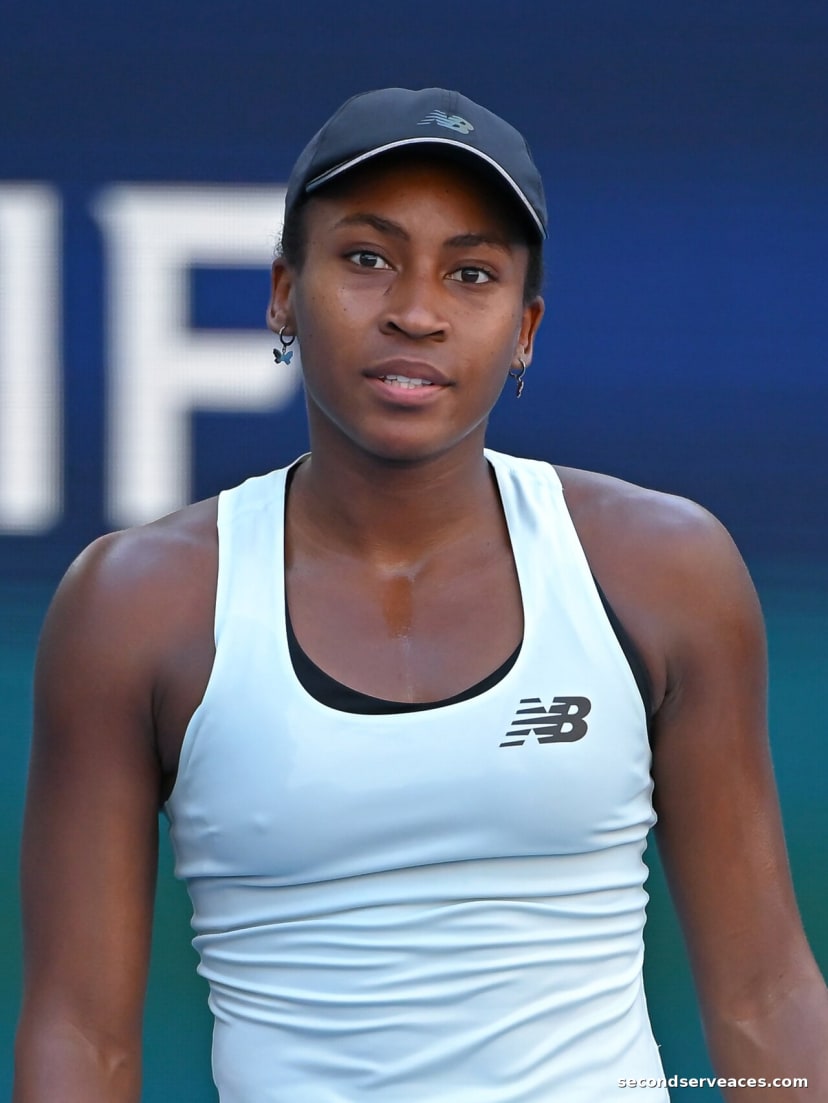
Finally, there was the semi-final against Coco Gauff. That wasn't just a win; it was a psychological milestone. To stand there, with the crowd buzzing, and hold serve when the game was on the line? That’s where the real tennis happens, not in the practice sessions.
The Mindset Shift That Defined Her Success
For years, people have been waiting for Kostyuk to piece it all together. The raw power was always there, but the decision-making was often erratic. This tournament, however, saw a different version of the player. She seems to have accepted that being a top-tier contender means embracing the discomfort of long rallies on the dirt.
Her ability to reflect on past failures at this specific event shows a maturity that is often lacking in the younger ranks. She took the frustrations of previous seasons and channeled them into a hyper-focused strategy. She wasn't fighting the court; she was playing it.
If you look at the trajectory of her career, this isn't just about a trophy. It’s about the shift from being a player who *could* win to a player who *expects* to win. That’s the threshold between being an elite athlete and just another name in the draw.
Why the Top Seeds Should Worry
Look at the rest of the tour. While the likes of Sorana Cirstea or Daria Kasatkina are struggling to find a consistent edge on the slower surfaces, Kostyuk is expanding her range. She’s effectively weaponized the clay, using topspin that kicks up just enough to disrupt the rhythm of the ball-bashers.
This jump to number 15 is going to change her draw positioning for the rest of the season. She’s no longer the underdog trying to cause a stir in the early rounds; she’s now the name the others are checking in their scouting reports. It’s a different kind of pressure, the kind that breaks people or builds them.
Based on how she navigated this field, my money is on her continuing this trend. She’s stopped looking for breaks and started creating them. It’s a scary prospect for the rest of the WTA, and frankly, I love to see it.
What Coco Gauff Plays With
Head Boom MP 2024
Head Lynx Tour 1.25
Analyze Marta Kostyuk vs. Coco Gauff
Predict tactical adjustments, momentum swings, and serve strategy options for this match-up using our AI simulator.
The Aces Tactical Panel
This report was curated and edited by Bhaskar Goel. Tactical analysis and technical insights were provided by our specialized panel of expert correspondents.
Julian Price
Senior Tactical Correspondent
Stuffy, pedantic British academic and historian specializing in match momentum and historical context.
Elena Cruz
Director of Analytical Research
Data scientist specializing in court surface physics and movement patterns.
Bhaskar
The Editor & Fan
Passionate tennis player and site editor bringing everyday amateur insights and relatable fan commentary.
Arthur Vance
Senior Existential Analyst
Deep, eccentric, and DFW-inspired. Models court metaphysics, kinetic beauty, and player psychology.
Leo Sterling
High-Performance Consultant
Hard-nosed ex-trainer from Melbourne with a no-nonsense view on tour fitness.