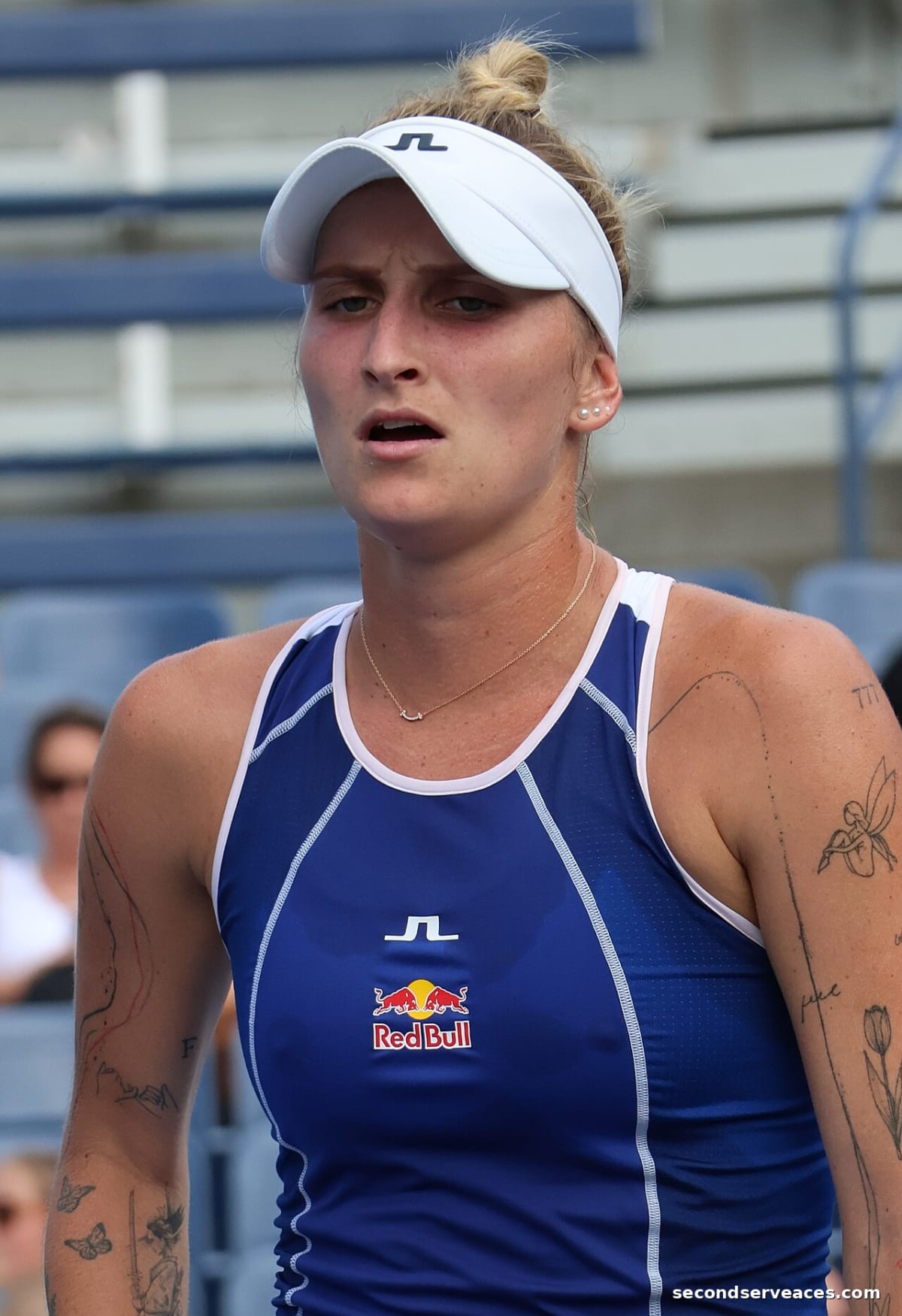
Tennis is a game of control, but when control is stripped away, panic sets in. In December 2025, former Wimbledon champion Markéta Vondroušová found herself in the crosshairs of an out-of-competition anti-doping test that went horribly wrong. An official arrived late at night, lacking what Vondroušová described as proper identification, triggering acute stress and fear in the quiet privacy of her home.
Listen to the Second Serve Podcast
Get our daily AI-synthesized audio briefings and match reviews on the go.
The mental grind of a professional athlete is already a pressure cooker, and this unexpected intrusion broke her defense. Citing intense anxiety, she refused to submit to the test at that exact moment. To prove she had nothing to hide, she voluntarily submitted to an anti-doping test just three days later, which returned a completely negative result, but in the eyes of the regulators, the damage was already done.
The International Tennis Integrity Agency (ITIA) viewed the refusal not through the lens of human panic, but through the cold, unyielding text of the rulebook. The sport demands absolute compliance, leaving no room for the psychological vulnerability that comes when a stranger knocks on your door in the dead of night.
The Midnight Knock and the Anatomy of Panic
The details of that December night paint a vivid picture of the isolation players face off the court. According to the independent tribunal, Vondroušová was confronted by an anti-doping official arriving late at night. Feeling vulnerable and acutely stressed by the lack of clear identification, she made the split-second decision to protect her safety over regulatory compliance.
While the tribunal acknowledged her fear, they ultimately concluded there was "no compelling justification" for her refusal. In a sport where split-second decisions dictate careers, this single choice carried a catastrophic penalty that far outweighed any unforced error on a match court.
The fact that she submitted to a test three days later—which proved entirely clean—offered no legal shield. The anti-doping framework is built on absolute immediacy, and the tribunal's refusal to accept her acute stress as a mitigating factor shows the uncompromising nature of the system.
A Career Frozen Until June 2030
The hammer fell with devastating force. The ITIA handed down a four-year ban, effectively freezing Vondroušová’s career until June 21, 2030. For a player who knows the fleeting nature of peak physical performance, a four-year exile is not just a suspension; it is a lifetime.
This ban completely strips her of the right to compete in any events sanctioned by the ITF, Grand Slams, WTA, or any national association. The court is her sanctuary, the place where she processes her life, and now she is barred from even stepping onto a practice court at a sanctioned facility.
At 26 years old, Vondroušová was in the prime of her athletic life. Facing a suspension that lasts until her thirties is a psychological mountain that few athletes have the stamina to climb, leaving her to face the ultimate test of mental resilience far away from the cheering crowds.
Locker Room Solidarity in the Face of Isolation
In tennis, you are alone on an island, but when one of your own is cast out, the locker room can become a sanctuary of solidarity. News of the ban has triggered a wave of disbelief and public backing from elite players across the WTA Tour, who recognize the terrifying vulnerability of late-night out-of-competition testing.
Players like Coco Gauff, who recently navigated her own intense off-court scrutiny regarding player boundaries as we highlighted in our coverage of Wimbledon's new player privacy camera rules, have stood alongside her. The collective voice of her peers—including Sloane Stephens, Iva Jovic, Karolína Muchová, and Ons Jabeur—expresses a shared sentiment that the system failed to account for a player's basic safety and peace of mind.
Paula Badosa, whose grit we recently analyzed during her dramatic comeback victory over Gauff, also expressed deep empathy for the psychological toll this ruling takes. This open-book solidarity reveals a tour that is united not just by competition, but by a shared understanding of the intense, relentless pressure of being constantly monitored.
The Long Road to the Court of Arbitration for Sport
The fight is far from over, but the battlefield has shifted from the court to the sterile boardrooms of the Court of Arbitration for Sport (CAS). Vondroušová retains the right to appeal this devastating ruling, hoping that CAS will view her panic through a more human lens than the ITIA tribunal did.
Preparing for an appeal requires a different kind of stamina than surviving a three-hour match in the midday heat. It is a mental marathon of legal briefs, depositions, and the agonizing wait for a verdict that will decide whether her prime athletic years will be spent on the tour or in exile.
As she prepares her defense, the tennis world watches and waits. The outcome of her CAS appeal will not only define the rest of Markéta Vondroušová's career, but it will also set a massive precedent for how the sport balances the absolute necessity of clean athletics with the fundamental safety and psychological well-being of its competitors.
What Coco Gauff Plays With
Head Boom MP 2024
Head Lynx Tour 1.25
Head Prime Tour (12-Pack)
Analyze Markéta Vondroušová vs. Coco Gauff
Predict tactical adjustments, momentum swings, and serve strategy options for this match-up using our AI simulator.
The Aces Tactical Panel
This report was curated and edited by Bhaskar Goel. Tactical analysis and technical insights were provided by our specialized panel of expert correspondents.
Julian Price
Senior Tactical Correspondent
Stuffy, pedantic British academic and historian specializing in match momentum and historical context.
Elena Cruz
Director of Analytical Research
Data scientist specializing in court surface physics and movement patterns.
Bhaskar
The Editor & Fan
Passionate tennis player and site editor bringing everyday amateur insights and relatable fan commentary.
Arthur Vance
Senior Existential Analyst
Deep, eccentric, and DFW-inspired. Models court metaphysics, kinetic beauty, and player psychology.
Leo Sterling
High-Performance Consultant
Hard-nosed ex-trainer from Melbourne with a no-nonsense view on tour fitness.
Related Reports

Quick Answers
Why was Markéta Vondroušová banned from tennis?+
Markéta Vondroušová was handed a four-year ban by the ITIA for refusing an out-of-competition anti-doping test in December 2025.
How long is Markéta Vondroušová's anti-doping ban?+
The ban is set to run for four years, keeping her out of professional competition until June 21, 2030.
Can Markéta Vondroušová appeal the ITIA ruling?+
Yes, Vondroušová retains the right to appeal the tribunal's decision to the Court of Arbitration for Sport (CAS).