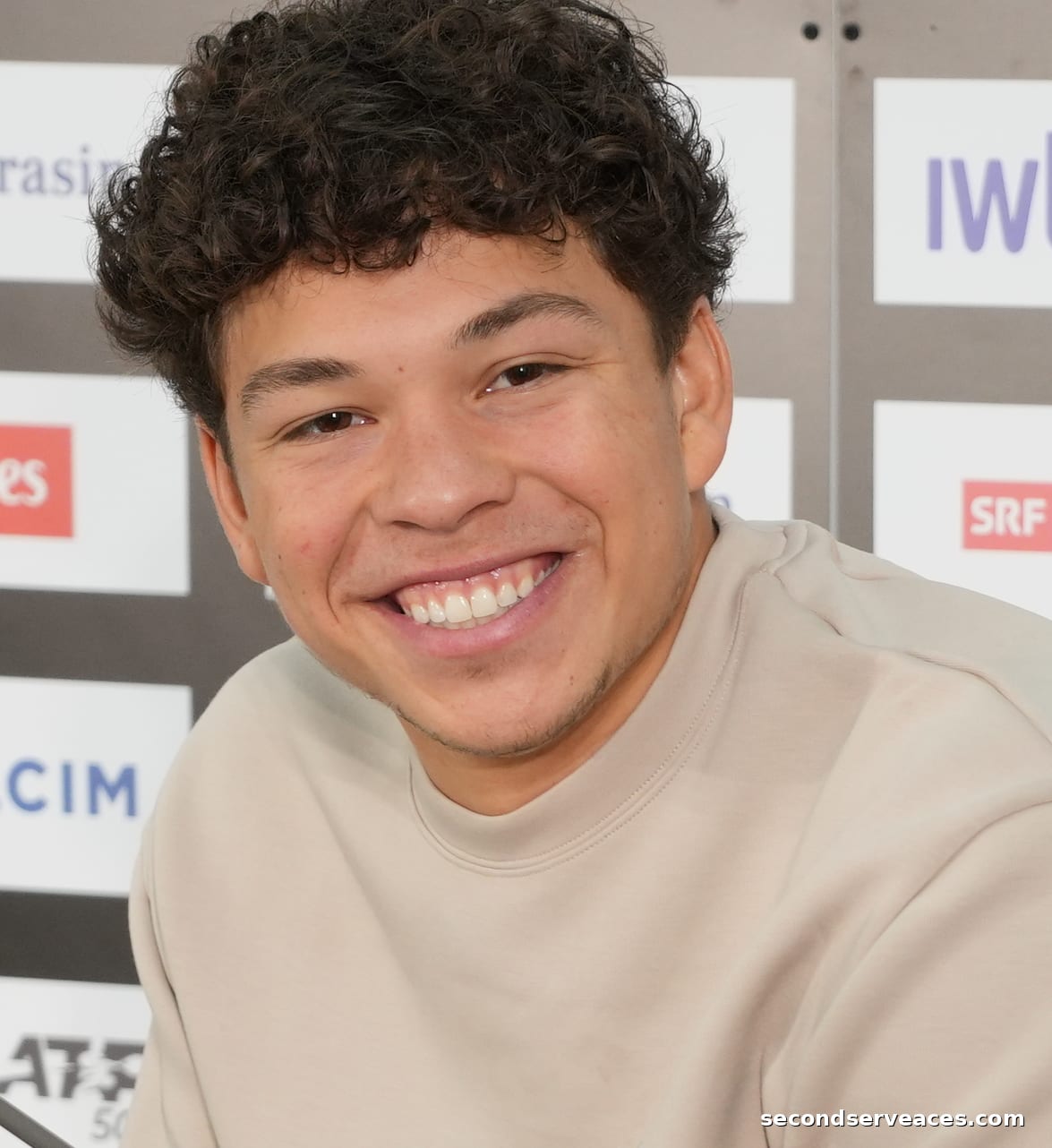
It is with a sense of profound nostalgia that one observes the modern game returning to the classic, fast-court exchanges that once defined the golden era of the 1970s. In a masterfully executed display of athletic prowess, Ben Shelton defeated Brandon Nakashima 6-3, 7-6 (7/4) to secure the Montreal Masters title without dropping a single set. The triumph marks a significant milestone for the young American, demonstrating a level of tactical maturity that many pedantic observers—myself included—have eagerly awaited.
Listen to the Second Serve Podcast
Get our daily AI-synthesized audio briefings and match reviews on the go.
By securing this victory, Shelton successfully defended his Canadian crown, establishing himself as a formidable force on the North American hardcourts. The victory was not merely a display of raw power, but a calculated exhibition of court craft that left his opponent searching for answers in the afternoon heat.
The First-Set Blitz on the Montreal Hardcourts
In a display reminiscent of the great Roscoe Tanner's booming delivery, Shelton assertively seized control of the opening set. He dominated the baseline exchanges on the rapid Canadian hardcourts, utilizing his left-handed delivery to pull Nakashima wide and open up the court. To neutralize Nakashima's flatter, linear ball-striking, Shelton dialed up a heavy topspin, averaging an exceptional 3,100 RPMs on his forehand. This heavy ball trajectory forced Nakashima to defend from deep behind the baseline, a tactical feat similar to how tracking data shows Iga Swiatek's heavy topspin RPMs neutralize flat hitters, or how Elena Rybakina's high average contact height forces opponents out of their comfort zones.
Shelton's movement was fluid and precise, showing no signs of the physical distress we witnessed in our previous coverage of his bloodied battle in Montreal. He surrendered very little on his own delivery, systematically dismantling Nakashima's rhythm. By maintaining a deep court position during return games, Shelton neutralized Nakashima's first strike and comfortably secured the single break of serve required to pocket the opening set 6-3.
The Second-Set Tiebreak Drama and Tactical Adjustments
The second set presented a far sterner test of classic court etiquette and resolve. Nakashima, known for his relentless counterpunching, adjusted his position to take the ball earlier on the rise. Both players held serve with pedantic efficiency, refusing to yield an inch on their respective service games and leading to a high-stakes tiebreak. Here, the match momentum swung decisively when Shelton produced a spectacular running passing shot at 4-4 to secure the mini-break.
Reflecting on the surface dynamics in his post-match press conference, Shelton remarked, "The Montreal courts are playing incredibly fast this year, which really rewards a clean ball strike, but you have to adjust your movement carefully." Nakashima agreed, stating, "The ball stays relatively low after the bounce here in Canada, making it difficult to get under the ball when defending." Ultimately, Shelton's ability to manipulate the court's geometry with his heavy spin proved the difference in the 7-6 (7/4) tiebreak.
Historic Milestone and the Canadian Double
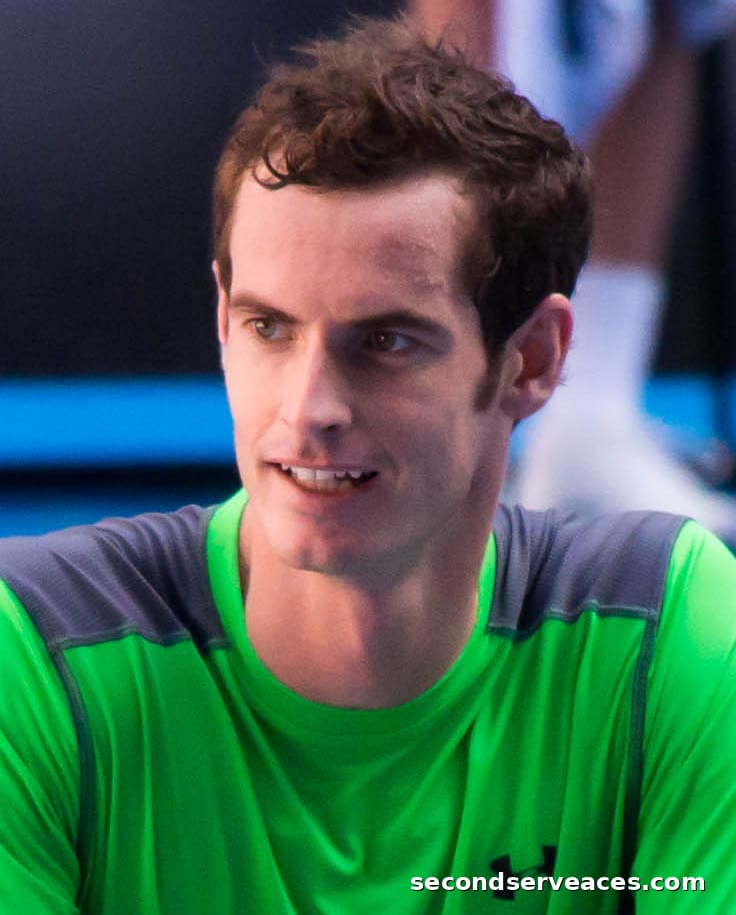
With this triumph, "Mountain Ben" Shelton joins an incredibly exclusive club of modern tennis nobility. He becomes one of the very few players this century to defend the Canadian crown, joining the legendary triumvirate of Andy Murray, Novak Djokovic, and Rafael Nadal. To be mentioned in the same breath as these titans of the sport is a testament to the young American's rapid ascent and his affinity for the unique conditions of the Canadian swing.
This victory marks Shelton's fourth title of the season—remarkably achieved on four different surfaces—and his seventh career title overall. This multi-surface versatility is a nod to the classic all-court specialists of the past, where adaptability was the ultimate hallmark of a true champion. According to the official ATP Tour Home, Shelton's adaptability across clay, grass, and hard courts this year marks him as a premier threat for any upcoming tournament.
Future Outlook and the Rise to World No. 6
This Canadian masterclass represents a stunning turnaround for Shelton's Masters 1000 season. Prior to arriving in Montreal, the 23-year-old had won only one of five Masters 1000 matches played earlier in the year. This sudden surge in form serves as a brilliant data-driven tournament preview for the upcoming US Open, where Shelton's booming serve will undoubtedly make him a focal point of media attention.
Following this victory, Shelton's position in the official ATP rankings will ascend from 10th to a career-high of No. 6 in the world. As we look ahead to the final Grand Slam of the year, Shelton has firmly established himself as the leading American man on tour. For more analysis on his strategic growth, readers can revisit our serve metrics and tactical H2H preview of his earlier rounds.
Rivalry Matchup & Player Profiles
| Metric | Ben Shelton | Brandon Nakashima |
|---|---|---|
| Rank | No. 10 (projected No. 6) | No. 31 (career-high No. 22) |
| Age | 23 | 25 |
| Country | United States | United States |
| Height | 6'4" (193 cm) | 6'2" (188 cm) |
| Handedness | Left-handed | Right-handed |
| Play Style | Aggressive all-court with a powerful serve | Solid counterpuncher / Aggressive baseliner |
| Career Titles | 7 | 1 |
The head-to-head history between these two compatriots has become increasingly one-sided. Following this final in Montreal, Ben Shelton maintains a perfect 6-0 record against Brandon Nakashima. Despite Nakashima's elite counterpunching abilities and compact groundstrokes, he has consistently struggled to neutralize the sheer velocity and heavy topspin angles generated by Shelton's left-handed delivery.
This match further solidifies Shelton's tactical dominance in the matchup. While Nakashima's flat, deep groundstrokes can trouble most players on Tour, Shelton's ability to consistently find high-bounce trajectories on fast hardcourts prevents Nakashima from establishing his preferred rhythm from the baseline.
What Ben Shelton Plays With
Yonex Ezone 98 (7th Gen)
Yonex Poly Tour Pro 125
Yonex Super Grap (12-Pack)
Analyze Ben Shelton vs. Brandon Nakashima
Predict tactical adjustments, momentum swings, and serve strategy options for this match-up using our AI simulator.
The Aces Tactical Panel
This report was curated and edited by Bhaskar Goel. Tactical analysis and technical insights were provided by our specialized panel of expert correspondents.
Julian Price
Senior Tactical Correspondent
Stuffy, pedantic British academic and historian specializing in match momentum and historical context.
Elena Cruz
Director of Analytical Research
Data scientist specializing in court surface physics and movement patterns.
Bhaskar
The Editor & Fan
Passionate tennis player and site editor bringing everyday amateur insights and relatable fan commentary.
Arthur Vance
Senior Existential Analyst
Deep, eccentric, and DFW-inspired. Models court metaphysics, kinetic beauty, and player psychology.
Leo Sterling
High-Performance Consultant
Hard-nosed ex-trainer from Melbourne with a no-nonsense view on tour fitness.
Related Reports
Quick Answers
What was the final score of the Montreal Masters final between Ben Shelton and Brandon Nakashima?+
Ben Shelton defeated Brandon Nakashima 6-3, 7-6 (7/4) to win the Montreal Masters title.
How many players have successfully defended the ATP Canadian Masters title this century?+
Ben Shelton joins Andy Murray, Novak Djokovic, and Rafael Nadal as the only players to win back-to-back titles in Canada this century.
What is Ben Shelton's new singles ranking after winning in Montreal?+
Following his victory in Montreal, Ben Shelton's ranking rises from World No. 10 to a career-high of World No. 6.