A Silent Court in Barcelona
The grind doesn't care about your potential. It doesn't care about the hours logged in the gym or the way your backhand found its rhythm in the early weeks of the season. For Jack Draper, the momentum gained during the Barcelona Open has been abruptly silenced by a knee injury. It’s a bitter pill, the kind that forces a player to sit in the locker room and listen to the muffled roar of a crowd he should have been part of.
Listen to the Second Serve Podcast
Get our daily AI-synthesized audio briefings and match reviews on the go.
As of May 12, 2026, the official ATP rankings place Draper at No. 73. That number is now a frozen snapshot, a reality that will inevitably slide as the tour moves through the summer calendar. To be sidelined until at least the end of Roland Garros isn't just a physical recovery; it is a mental test of endurance that few outside the lines can truly comprehend.
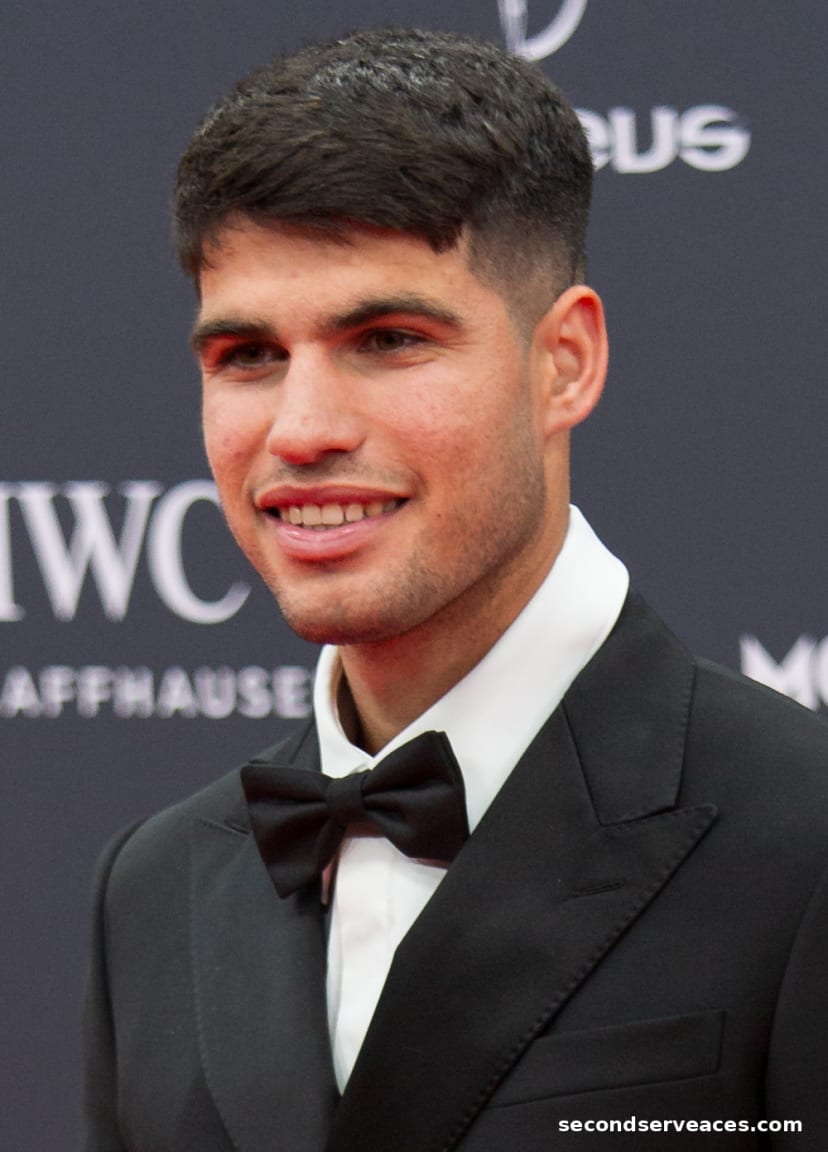
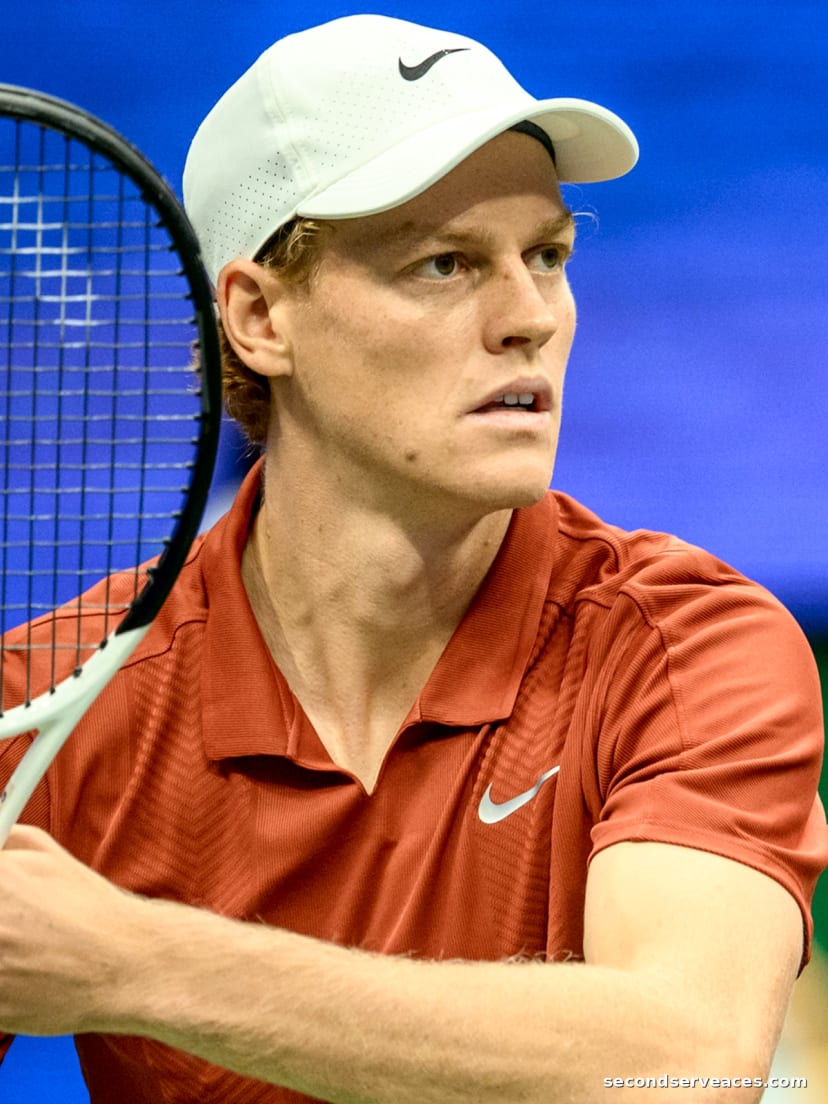
The casualty list is comprehensive: Madrid, Rome, Hamburg, and the clay-court showcase in Paris are all off the table. It is a grueling stretch of the calendar, one where players like Carlos Alcaraz, Jannik Sinner, and Alexander Zverev will continue to define the modern game. While they chase points and prestige, Draper is relegated to the sidelines, left to watch the scoreboard from afar.
Shadows of the 2025 Campaign
This isn't uncharted territory for the Brit. The shadows of his 2025 season still loom large. Following the US Open that year, a bone bruising injury in his arm kept him away from the court for five long months. You develop a specific kind of patience when your body turns against you—a hollow, agonizing stillness where your livelihood is held hostage by your own anatomy.
Professional tennis is a sport of repetition, and when that rhythm is broken by medical charts and rehabilitation protocols, the return is never simple. Every player who has spent time in the dark knows the feeling of regaining their touch, only to be reminded that the tour moves at breakneck speed. Draper’s current predicament is a stark reminder that in the elite ranks, health is the only currency that truly matters.
History is full of players who have navigated the precarious bridge between peak performance and physical breakdown. From the legends of the past to the modern warriors, the challenge remains identical: how to rebuild the frame when the foundation is shaky. Draper, like many before him, must find a way to navigate this void, focusing on the future despite the frustration of the present.
The Mental Toll of the Recovery Cycle
There is a unique isolation in being a spectator to your own career. You watch your peers elevate their game, you study the tactical shifts, and you analyze the pressure points of high-stakes tennis, all while knowing your own racquets are gathering dust. The mental grind is often heavier than the physical rehab itself; it is the discipline of staying engaged when your body is disconnected from the arena.
Elite sport is not built on fair play or destiny—it is built on the willingness to endure, to return, and to do it all over again when the odds are stacked against you. Draper has already proven he can weather these storms. The arm injury of 2025 provided the blueprint; the knee injury of 2026 is the second verse of a song he never wanted to sing again.
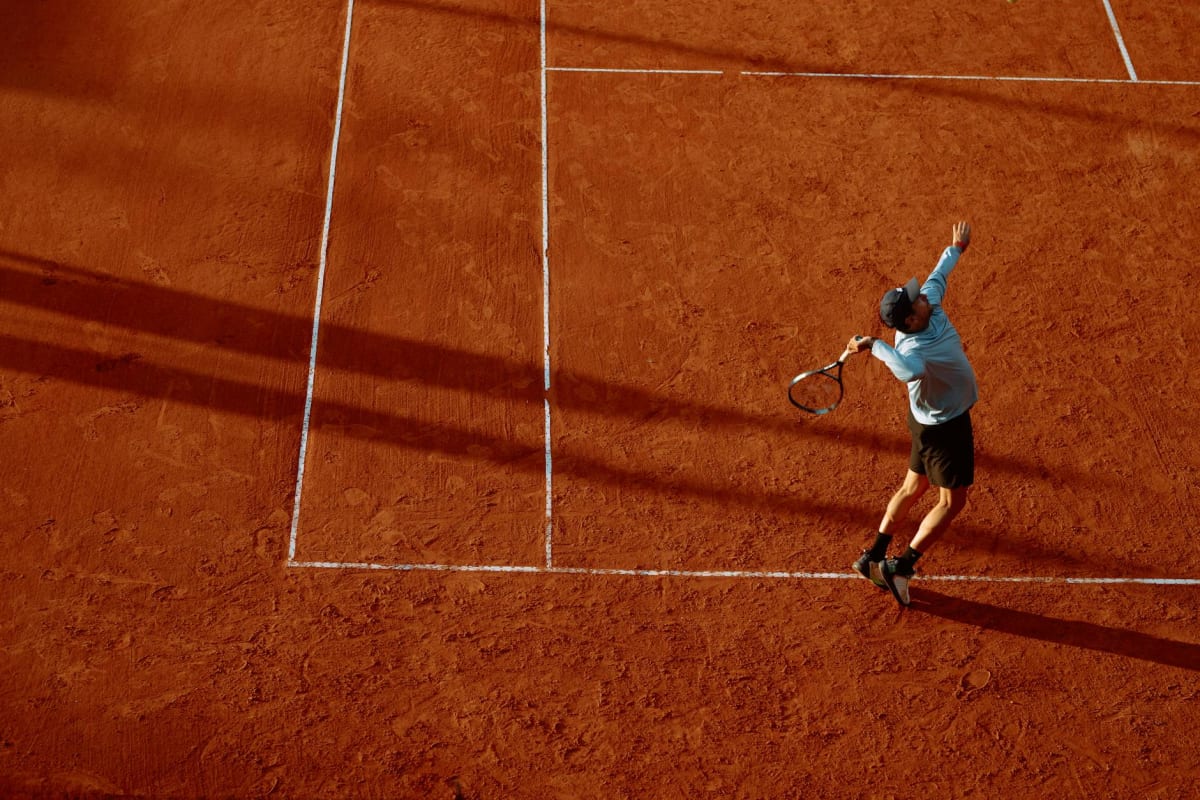
We are watching a young talent face an unforgiving reality. While the sport moves on to the iconic red clay of Paris, the narrative for Draper shifts toward the patience required for his return. The question isn't whether he can hit a tennis ball—it is how he will respond to the silence between the points once he finally steps back onto the court.
Contextualizing the Current ATP Landscape
As the tour turns its focus toward the summer, the vacuum created by Draper’s absence leaves a void in the middle tier of the rankings. With stalwarts and surging talents occupying the headlines, the pressure on players ranked outside the top 50 to maintain their rhythm is immense. Every tournament skipped is an opportunity for a rival to close the gap, or for a qualifier to carve out a foothold.
The sport remains a brutal meritocracy. The statistics—the winners, the unforced errors, the break point conversions—are the metrics that dictate longevity. For a player ranked No. 73, each tournament is an ecosystem of survival. Losing this stretch of the season doesn't just impact his ranking; it disrupts the continuity of his match fitness, an intangible asset that is notoriously difficult to replicate in practice.
We look at the upcoming weeks with a sense of perspective. Whether it is the legacy of past icons or the rising tide of the new generation, the game continues. Jack Draper’s journey, however, remains paused. It is a waiting game now, a slow, methodical return to the baseline, hoping that the next time he arrives at a major, the tape, the ice, and the uncertainty are finally left behind.
What Carlos Alcaraz Plays With
Babolat Pure Aero 98
Babolat RPM Blast 1.30
Babolat VS Original (12-Pack)
Nike Vapor Pro 2
Analyze Jack Draper vs. Carlos Alcaraz
Predict tactical adjustments, momentum swings, and serve strategy options for this match-up using our AI simulator.
The Aces Tactical Panel
This report was curated and edited by Bhaskar Goel. Tactical analysis and technical insights were provided by our specialized panel of expert correspondents.
Julian Price
Senior Tactical Correspondent
Stuffy, pedantic British academic and historian specializing in match momentum and historical context.
Elena Cruz
Director of Analytical Research
Data scientist specializing in court surface physics and movement patterns.
Bhaskar
The Editor & Fan
Passionate tennis player and site editor bringing everyday amateur insights and relatable fan commentary.
Arthur Vance
Senior Existential Analyst
Deep, eccentric, and DFW-inspired. Models court metaphysics, kinetic beauty, and player psychology.
Leo Sterling
High-Performance Consultant
Hard-nosed ex-trainer from Melbourne with a no-nonsense view on tour fitness.