The Anatomy of Entitlement on the Parisian Clay
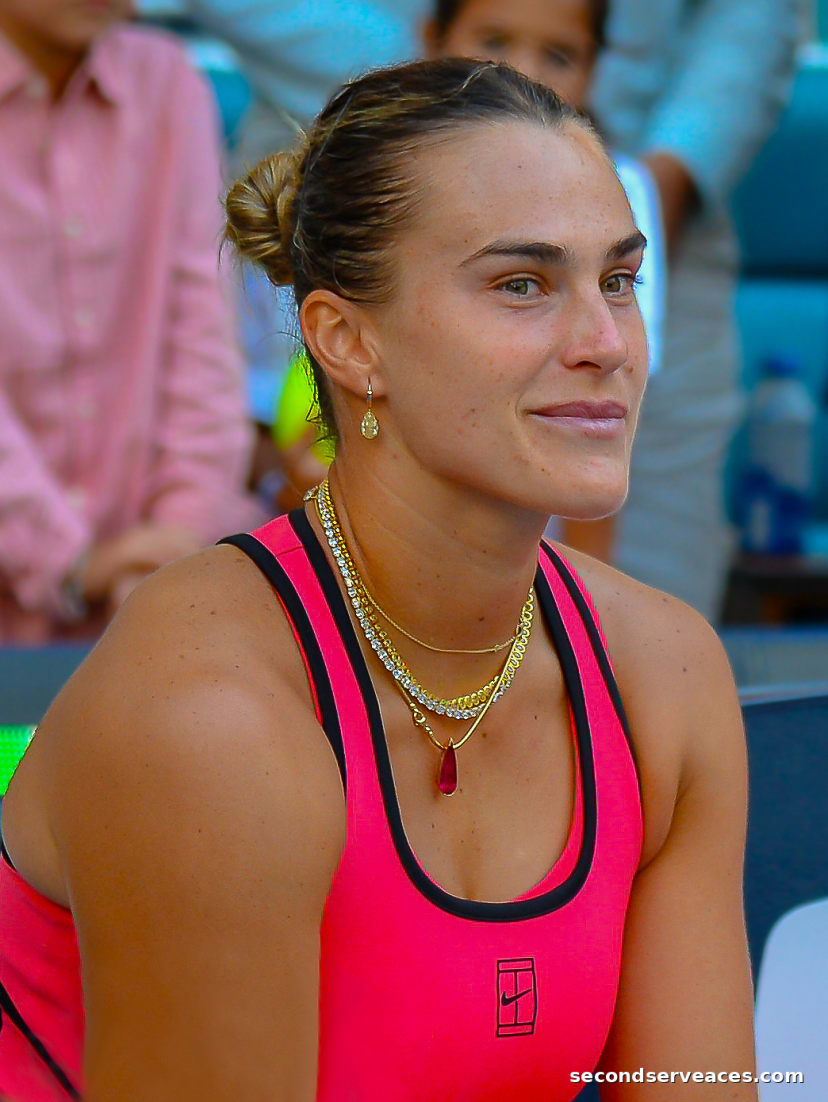
It’s high time someone said the quiet part out loud, and leave it to former Roland-Garros director Guy Forget to drop the hammer. While the tour’s biggest names are busy counting their bank accounts, they’re apparently still not satisfied. Forget, who steered the ship in Paris from 2016 to 2021, didn’t mince words when addressing the rumblings from top-tier athletes like Aryna Sabalenka and Jannik Sinner regarding their demands for a larger slice of the revenue pie.
Listen to the Second Serve Podcast
Get our daily AI-synthesized audio briefings and match reviews on the go.
The sentiment coming out of the locker room is bordering on delusional. These players aren't just asking for a raise; they’re threatening to boycott tournaments, a move that stinks of shortsighted selfishness. Forget isn't having any of it, correctly pointing out that the grand stage these players perform on doesn't magically appear out of thin air.
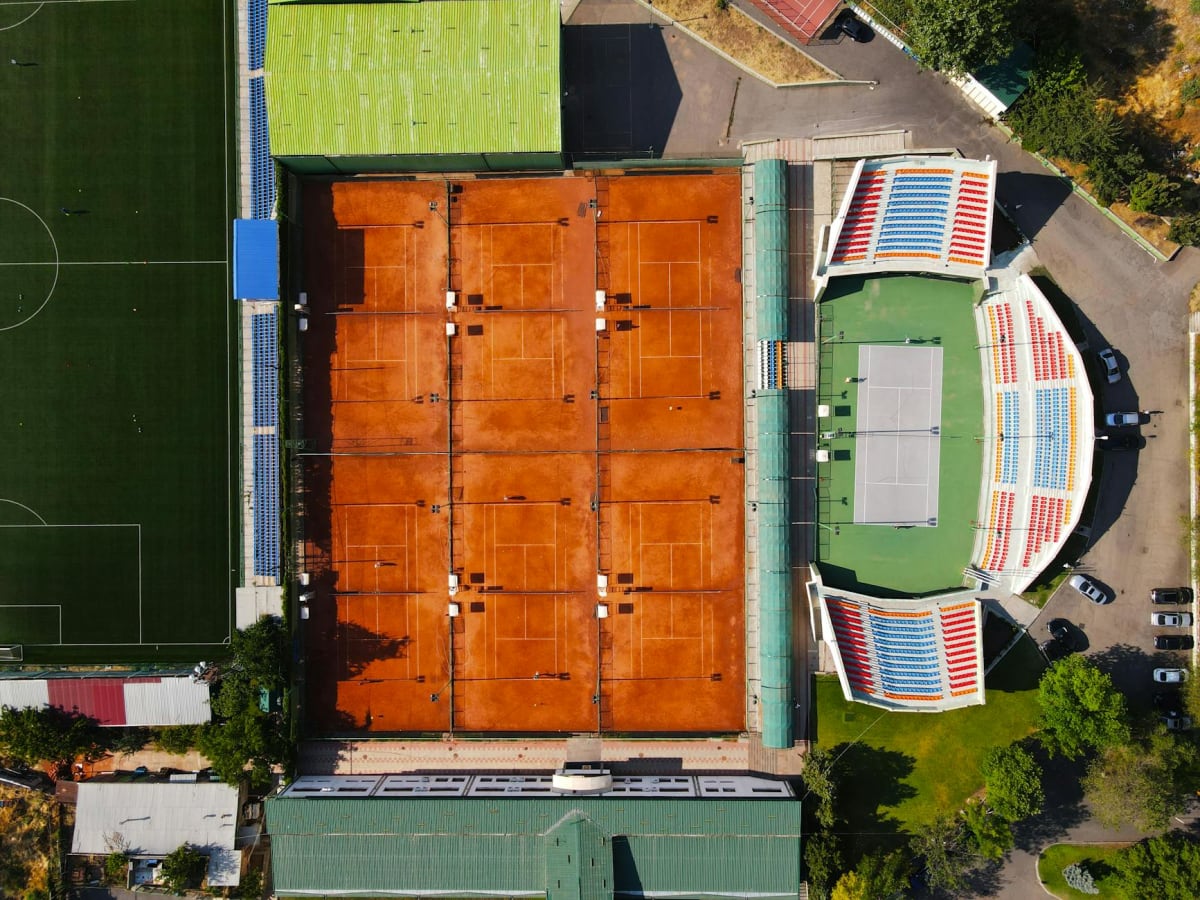
When you look at the economics, the audacity is staggering. The French Federation (FFT) has sunk €350 million of its own capital into infrastructure. That’s not 'revenue' being split; that’s a massive institutional investment meant to secure the future of the sport. You want a bigger piece of the pie? Start by acknowledging who actually baked it.
The Myth of the Underpaid Superstar
Let’s talk numbers, because the math doesn't lie, even if the players’ agents do. Aryna Sabalenka alone pulled in a cool $4,020,272 in prize money during the 2026 season before this even made headlines. Does that sound like a player who’s being exploited? The idea that these icons are somehow struggling is an insult to every worker behind the scenes who keeps the turnstiles moving.
The compensation trajectory has been vertical for a decade. According to Forget, prize money at Roland-Garros has more than doubled over the last ten years. To ignore that growth while rattling off boycott threats is a masterclass in tone-deafness. You can’t have it both ways—you can’t demand the prestige and the facilities of a Grand Slam and then try to hold the tournament hostage when your pockets aren't deep enough.
Even for the players struggling to survive, the floor is hardly scraping the barrel. First-round losers at Roland-Garros are walking away with between €80,000 and €90,000. That’s more than the average annual salary for most of the people sitting in the stands. If that’s not enough to cover travel expenses and a coaching team, maybe the problem isn't the tournament—it’s the player's business model.
Infrastructure vs. Influence: Who Holds the Power?
Forget is hitting on a fundamental truth of professional tennis: institutional longevity trumps temporary star power. Players like Sabalenka and Sinner are elite, sure. They drive TV ratings, and they sell merchandise. But they are ephemeral. The tournament—the physical site, the tradition, the massive infrastructure—is the bedrock that allows them to shine in the first place.
The arrogance of suggesting that players are the sole drivers of financial success is a dangerous game. Without the FFT’s willingness to dump hundreds of millions into the grounds, where exactly would these boycotters be playing? The lack of respect for the business side of the sport is precisely what creates this friction. Players are so focused on their immediate gains that they’re willing to burn the very houses they play in.
We’ve seen this movie before in other sports, and it never ends well for the athletes who misread their own leverage. When you start threatening the stability of a tournament with a legacy as rich as the French Open, you’re not fighting for 'equity.' You’re acting like a petulant child who’s forgotten that there’s a whole ecosystem involved beyond the baseline.
A Warning Shot for the Modern Tour
If these players want to be treated like business partners, they need to start acting like they understand a balance sheet. The sport is becoming increasingly fractured, and these demands are just widening the gap between the haves and the 'have-nots' in the locker room. Forget’s commentary is a necessary reality check for the modern tour.
We need leaders, not just shot-makers. We need players who understand that their success is tethered to the health of the entire sport, not just their personal bottom line. If the boycott movement continues, it won't be the tournaments that suffer most in the long run—it will be the players who lose the public's favor.
The message is clear: if you’re pulling in millions, maybe keep your head down, play your game, and appreciate the infrastructure that allows you to play the sport you love at the highest level. Tennis is bigger than any single serve, no matter how hard it lands.
What Aryna Sabalenka Plays With
Wilson Blade 98 v9 (16x19)
Luxilon ALU Power 125
Wilson Pro Overgrip (12-Pack)
Analyze Aryna Sabalenka vs. Jannik Sinner
Predict tactical adjustments, momentum swings, and serve strategy options for this match-up using our AI simulator.
The Aces Tactical Panel
This report was curated and edited by Bhaskar Goel. Tactical analysis and technical insights were provided by our specialized panel of expert correspondents.
Julian Price
Senior Tactical Correspondent
Stuffy, pedantic British academic and historian specializing in match momentum and historical context.
Elena Cruz
Director of Analytical Research
Data scientist specializing in court surface physics and movement patterns.
Bhaskar
The Editor & Fan
Passionate tennis player and site editor bringing everyday amateur insights and relatable fan commentary.
Arthur Vance
Senior Existential Analyst
Deep, eccentric, and DFW-inspired. Models court metaphysics, kinetic beauty, and player psychology.
Leo Sterling
High-Performance Consultant
Hard-nosed ex-trainer from Melbourne with a no-nonsense view on tour fitness.