A Legacy Etched in Red Clay
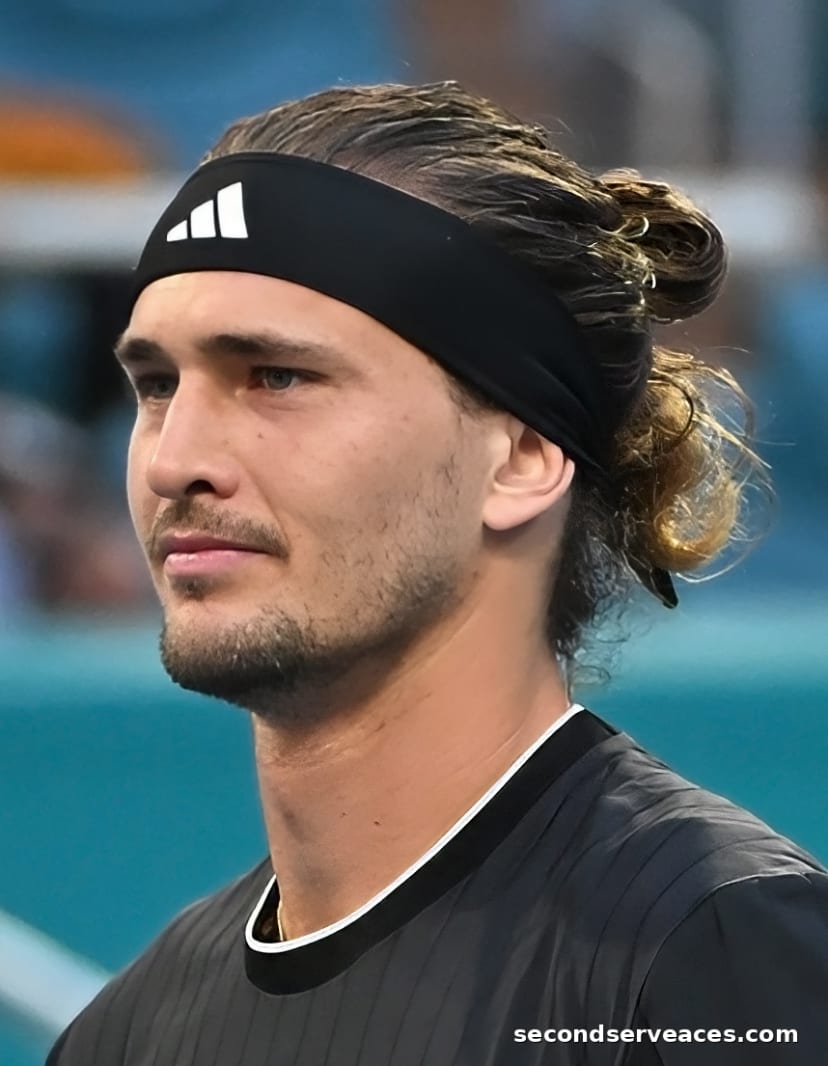
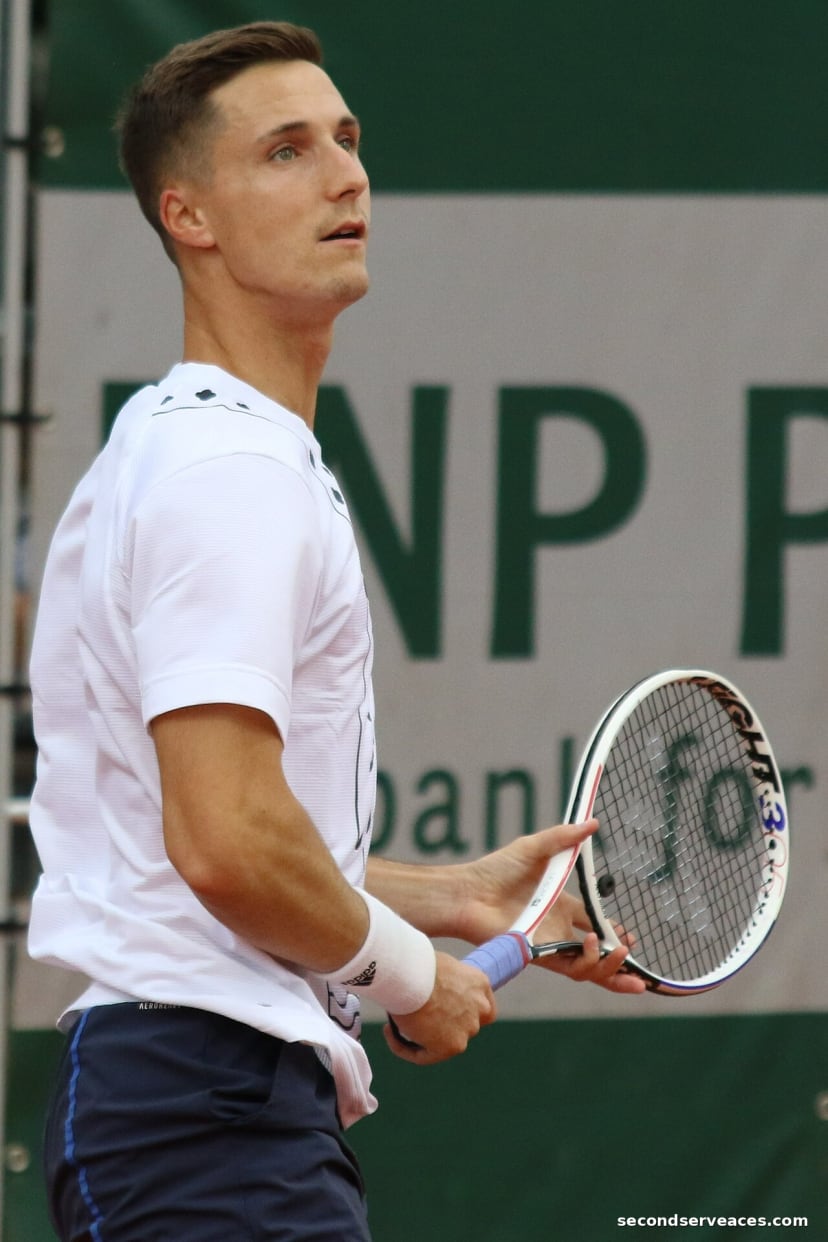
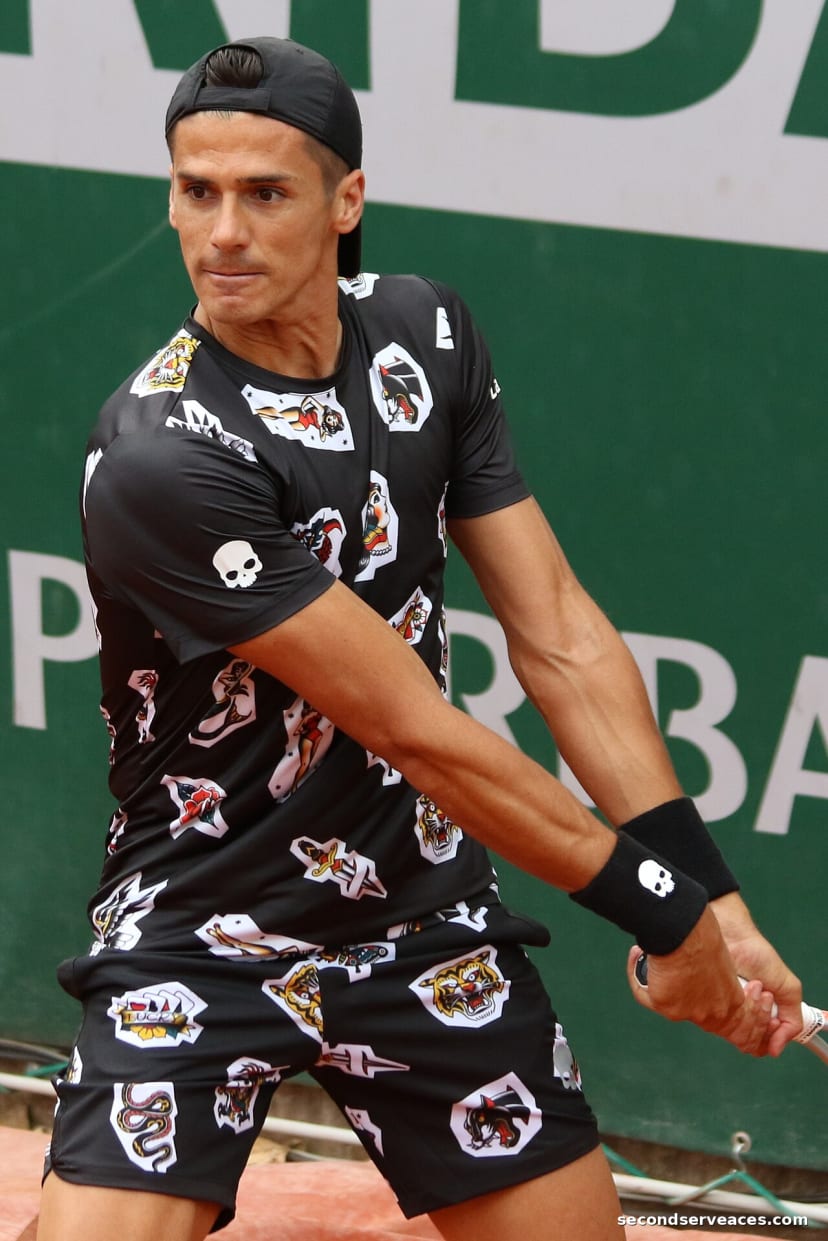
There is a specific kind of violence to the way Stan Wawrinka strikes a tennis ball—a brutal, beautiful kinetic chain that defined the 2015 French Open. At 41 years old and currently sitting at No. 125 in the ATP rankings, the Swiss veteran is no longer chasing the summit. Instead, he is preparing for the final act of a career that reshaped the power dynamics of the men’s game.
Listen to the Second Serve Podcast
Get our daily AI-synthesized audio briefings and match reviews on the go.
Joining him on the hallowed grounds of Paris is Gael Monfils, the 39-year-old entertainer whose 2008 semifinal run remains a benchmark for raw, athletic spontaneity. Ranked No. 222, Monfils has spent a lifetime turning the court into a stage. Now, as both men move toward their planned retirement at the end of 2026, the awarding of these wild cards feels less like a formality and more like a necessary salute to the history they’ve written.
It is the mental grind of the tour that eventually collects its toll on even the most legendary frames. For Wawrinka and Monfils, these wild cards are an opportunity to reconcile with their own mortality on the surface that tested them the most. They aren't here to prove they can still win seven matches in a row; they are here to ensure that their final steps on the terre battue are on their own terms.
The Geometry of a Farewell
The decision to grant 16 wild cards across the men’s and women’s draws reflects the Roland-Garros organizers’ commitment to honoring those who have carried the sport through a golden era. While the headlines focus on the nostalgia of Wawrinka and Monfils, the draw itself is a breathing, shifting entity. Their inclusion forces the tournament directors and the incoming generation to confront the space these giants occupy until the final point is played on May 24th.
For the younger field, the pressure is different. The presence of two men who have seen every serve, every tactical variation, and every psychological breakdown provides a unique challenge. You don't just play a 41-year-old Wawrinka; you play the ghosts of every match he has turned on its head. The fitness levels required to withstand a best-of-five encounter on this surface are astronomical, and these legends are signing up for one last brutal audition.
Retirement, for a tennis player, is a slow death of the nerves. It is the realization that the recovery time between matches is no longer your friend. By setting their sights on a 2026 exit, both players are giving themselves a window to absorb the energy of the crowds. It’s an open-book policy on their own decline, one that is as refreshing as it is painful to witness.
The Burden of the Wild Card
There is a weight to being handed a spot in a Grand Slam that you haven't earned through the standard ranking grind. It is a gift that requires justification. Wawrinka, with his 2015 trophy sitting in his cabinet, carries that history into every practice session. He knows that his backhand—once a weapon that dismantled the most impenetrable defenses—is now under the scrutiny of an audience that knows exactly what he is capable of.
Monfils, conversely, is a creature of impulse. His game is built on the chaos of the moment, a style that defies the rigid efficiency of modern baseline dominance. When he steps onto the red dirt in May, he won't be playing for points; he will be playing for the connection that has defined his career. He is a showman who has finally acknowledged that the show must eventually reach its climax.
The ATP tour is often accused of lacking heart in its pursuit of efficiency and data-driven results. But there is nothing efficient about this. It is human, it is flawed, and it is entirely necessary. As the tour begins on May 24th, the focus won't just be on the trophy; it will be on the finality that these two men are gracefully accepting.
Analyze Stan Wawrinka vs. Gael Monfils
Predict tactical adjustments, momentum swings, and serve strategy options for this match-up using our AI simulator.
The Aces Tactical Panel
This report was curated and edited by Bhaskar Goel. Tactical analysis and technical insights were provided by our specialized panel of expert correspondents.
Julian Price
Senior Tactical Correspondent
Stuffy, pedantic British academic and historian specializing in match momentum and historical context.
Elena Cruz
Director of Analytical Research
Data scientist specializing in court surface physics and movement patterns.
Bhaskar
The Editor & Fan
Passionate tennis player and site editor bringing everyday amateur insights and relatable fan commentary.
Arthur Vance
Senior Existential Analyst
Deep, eccentric, and DFW-inspired. Models court metaphysics, kinetic beauty, and player psychology.
Leo Sterling
High-Performance Consultant
Hard-nosed ex-trainer from Melbourne with a no-nonsense view on tour fitness.