Gilded Invitations for the Parisian Elders
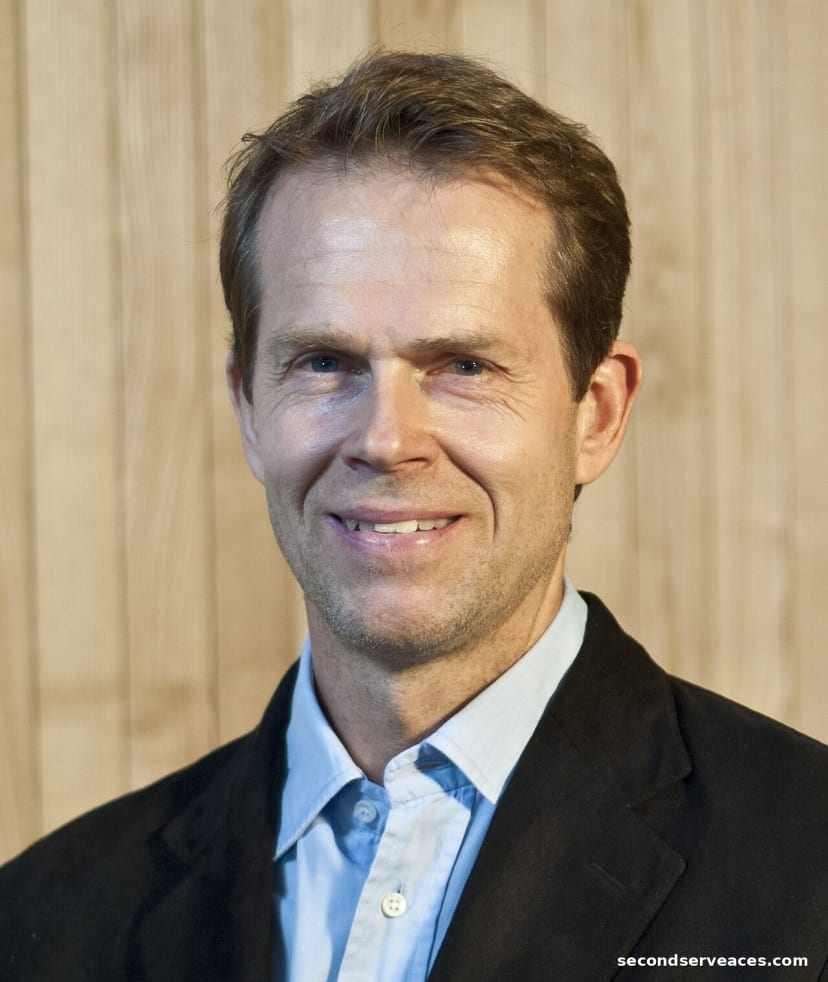
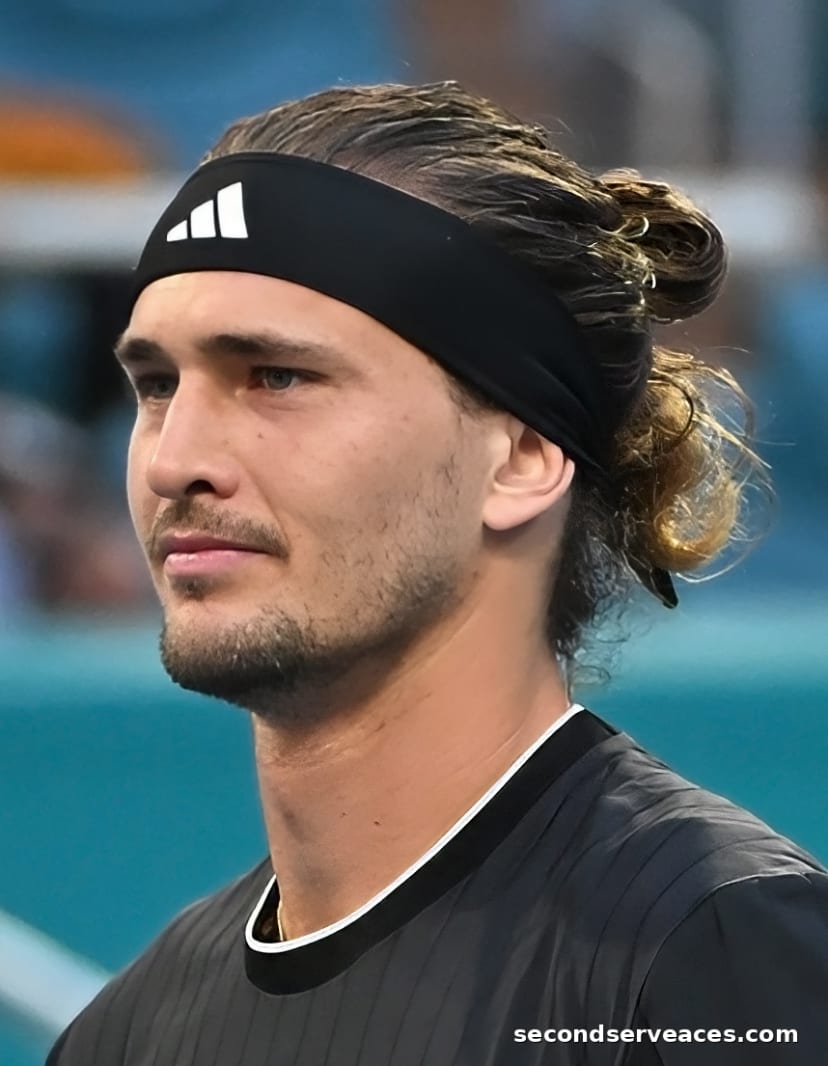
The gates of Roland-Garros have swung open, and the ink is dry on the list of invitees who will grace the Bois de Boulogne this May. The French Tennis Federation has leaned into pure, unadulterated theatre by granting main-draw wildcards to a pair of crowd-favorite sorcerers: Stan Wawrinka and Gael Monfils. These veterans, possessing enough finesse and history to fill a library of backhand winners, remain the heartbeat of the stadium.
Listen to the Second Serve Podcast
Get our daily AI-synthesized audio briefings and match reviews on the go.
Their inclusion is a nod to the past even as the tour surges toward the future. While the ATP rankings continue to shift with young guns, the sight of 'Stan the Man' and 'La Monf' on the Parisian dirt remains an essential part of the tapestry of the sport. It is a calculated move to keep the cauldron of the Philippe Chatrier crowd bubbling with electric energy.
Conversely, the absence of Venus Williams from the main draw serves as a sobering reminder of the changing tides. Similarly, David Goffin finds himself relegated to the qualifying trenches, tasked with fighting for his place in the sun the hard way. It is a grueling gauntlet that separates the hopefuls from the headline acts.
The Rising Tide at the Edge of Junior Greatness
While the legends claim the spotlight, the tournament organizers have made a bold pivot toward the next generation. The inclusion of 17-year-old Ksenia Efremova—fresh off her spectacular triumph at the Australian Open junior girls' championship—is the kind of high-stakes gamble that makes the French Open such a vibrant crucible.
Efremova represents the hunger that defines the modern game. She is not merely entering to observe; she arrives with a pedigree of excellence already established on the hard courts of Melbourne. The transition to the heavy, slow-rolling red clay will be the defining challenge of her early professional tenure.
She joins a cohort of hungry aspirants and established hopefuls including Clara Burel, Fiona Ferro, and Hugo Gaston. The wildcard selection process has favored those who possess the grit to thrive in the slow conditions of the French capital.
The Scandinavian Silence and the Achilles' Burden
In a development that has sent ripples through the baseline-aggression metrics of the tour, Holger Rune has officially declared he will forgo the entire clay season. The Danish phenom is sidelined as he manages an Achilles tendon injury, choosing a cautious trajectory to preserve his long-term health over immediate participation.
Rune’s exit fundamentally alters the pressure on the other Next-Gen contenders. His absence opens a void in the upper reaches of the draw where his explosive baseline speed would have been a significant threat. Players like Arthur Fils will now find the corridor to the second week slightly less congested, though no less demanding.
Without the Dane, the tactical dynamics of the tournament shift toward those who can sustain long-rally tolerance. The French clay, known for its unforgiving nature on the legs, will now be a different theatre entirely for the remaining favorites who must step up to claim the vacuum left by Rune.
The Qualifying Gauntlet for the Unlucky Few
For players like Goffin, the road to the main draw is now a test of stamina and precision in the qualifying brackets. The list of competitors, including the likes of Adam Walton, Titouan Droguet, and Katie Boulter, signifies a deep and talented field that refuses to bow out gracefully.
The qualifying event is often where the most compelling stories are etched into the history of the sport. Every hold of serve, every break point saved, and every passing shot in the qualifiers is a testament to the depth of the current WTA and ATP professional tiers. The field is saturated with talent, and the margin for error is razor-thin.
As we look toward the start of play, the narrative remains fluid. Whether it is the seasoned wisdom of Wawrinka or the youthful ambition of Efremova, the red dust of Paris waits for no one. The drama is guaranteed, even if the names on the ticket are shifting.
Analyze Stan Wawrinka vs. Gael Monfils
Predict tactical adjustments, momentum swings, and serve strategy options for this match-up using our AI simulator.
The Aces Tactical Panel
This report was curated and edited by Bhaskar Goel. Tactical analysis and technical insights were provided by our specialized panel of expert correspondents.
Julian Price
Senior Tactical Correspondent
Stuffy, pedantic British academic and historian specializing in match momentum and historical context.
Elena Cruz
Director of Analytical Research
Data scientist specializing in court surface physics and movement patterns.
Bhaskar
The Editor & Fan
Passionate tennis player and site editor bringing everyday amateur insights and relatable fan commentary.
Arthur Vance
Senior Existential Analyst
Deep, eccentric, and DFW-inspired. Models court metaphysics, kinetic beauty, and player psychology.
Leo Sterling
High-Performance Consultant
Hard-nosed ex-trainer from Melbourne with a no-nonsense view on tour fitness.