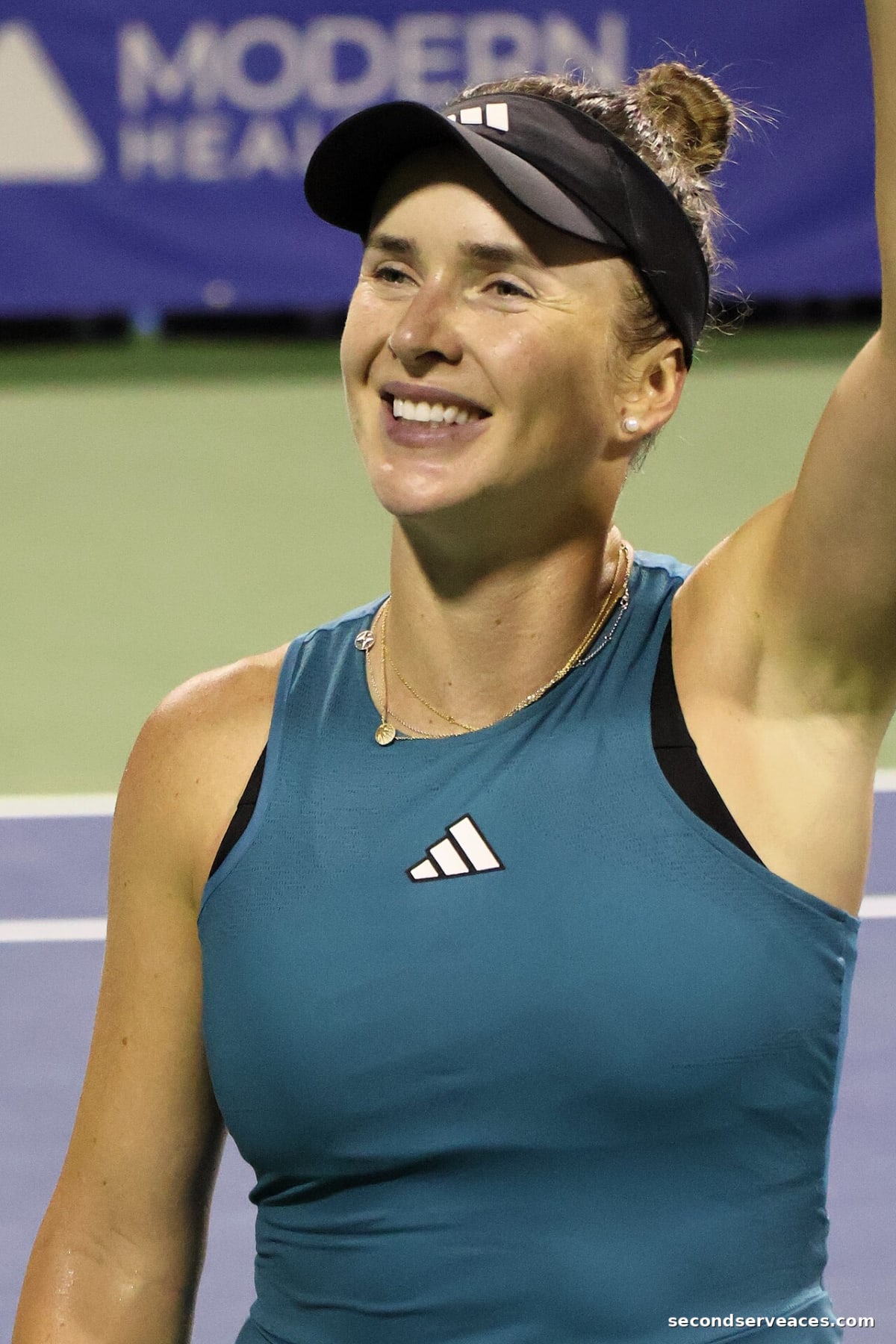
Svitolina’s Tactical Rebound and the Rome Blueprint
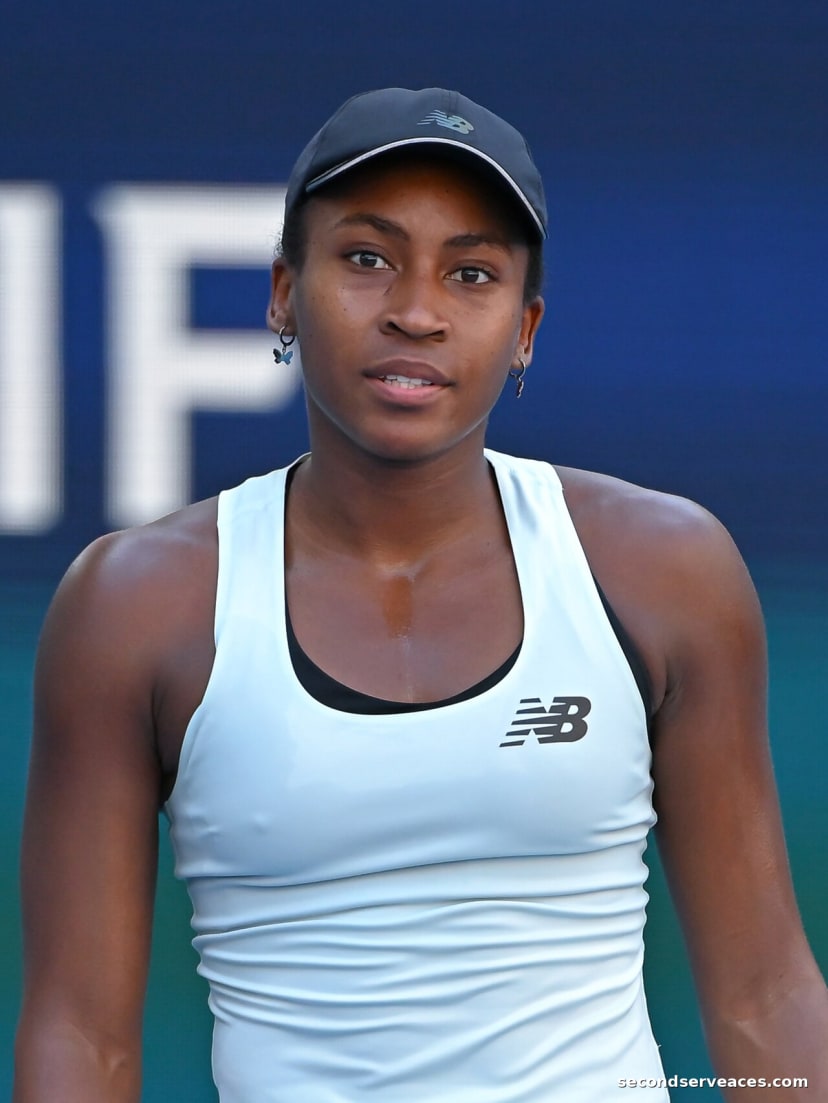
Elina Svitolina arrives at Roland Garros with a distinct tactical edge, having recently secured the Italian Open title. Her path to the trophy included a clinical dismantling of Coco Gauff, a match that showcased her ability to neutralize pace and construct points on the slower dirt. As detailed in our previous tactical breakdown, Svitolina's capacity to extend rallies and force high-margin errors from aggressive baseliners like Gauff remains her primary weapon.
Listen to the Second Serve Podcast
Get our daily AI-synthesized audio briefings and match reviews on the go.
The victory in Rome serves as a critical indicator of her readiness for the best-of-three format on clay. By prioritizing depth over raw power, she has successfully disrupted the rhythm of top-tier opponents. This disciplined court positioning is exactly what the field needs to replicate if they hope to challenge the established guard, as seen in the latest WTA rankings.
We have previously noted the difficulties faced by others in similar conditions, particularly regarding movement patterns on the red clay. While many focus on the sheer velocity of the ball, Svitolina’s success underscores the importance of defensive anticipation. Her ability to transition from defense to offense without sacrificing stability is the blueprint for success as we head into the second major of the year.
The Emergence of the Next Generation
The conversation regarding the favorites in Paris cannot ignore the injection of youth currently reshaping the WTA tour. Marta Kostyuk, fresh off a breakthrough victory at the Madrid Open, is demonstrating a level of tactical maturity that belies her time on tour. Her ability to secure a WTA 1000 title suggests she is no longer merely a participant, but a genuine threat to the seeding hierarchy.
Simultaneously, 19-year-old Mirra Andreeva continues to display a tactical awareness that forces seasoned veterans to reconsider their approach. Her game is built on high-percentage tennis, rarely yielding free points in crucial service games. As we watched during the spring swing, these younger players are not intimidated by the occasion; they are systematically dismantling the tactical comfort zones of established stars.
This shift is compounded by the retirement plans of veterans like Sorana Cirstea, who brings a sense of finality to her current campaign. The contrast between the departing legends and the rising cohort creates a fascinating psychological dynamic in the draw. Watching how these different generations approach the pressure of Roland Garros will be the defining narrative of the next two weeks.
The Strategic Weight of the Top Contenders
Aryna Sabalenka remains a polarizing force in the draw, often battling the surface as much as her opponent. As explored in our analysis of her clay-court struggles, her game thrives on surface speed that the Parisian clay often denies. Her ability to adjust her spin rate and target higher-percentage zones will determine whether she can navigate the second week.
Elena Rybakina and Iga Swiatek continue to hold the line as the standard-bearers for consistency. Their ability to command the baseline and dictate play through superior serve placement remains the gold standard. However, the depth of the field, including the likes of Victoria Azarenka and Jelena Ostapenko, ensures that no path to the final is without significant resistance.
The tactical landscape is further complicated by players like Linda Noskova, who have shown flashes of brilliance in high-leverage moments. For the top seeds, the danger is not just in the final rounds, but in the early-match focus. Any lapse in concentration against a field this deep could lead to significant upsets, a reality that has defined the WTA this season.
Refining the Approach for the Clay Court Major
As the tour shifts its focus entirely to Paris, the focus moves from broad strategy to the minutiae of execution. The ability to defend the baseline while utilizing the drop shot to change the pace of the rally will be essential. Players who can blend these technical elements effectively will find themselves deep in the bracket.
We are watching closely to see if the momentum from the Madrid and Rome events translates to the unique conditions of the Stade Roland-Garros. The clay in Paris often plays differently than its counterparts, requiring a specific adjustment in footwork and slide technique. Those who have spent the last month refining these specific movements will hold a distinct advantage.
Ultimately, the tournament will be won by the player who manages their tactical discipline alongside their emotional composure. Whether it is a veteran like Svitolina leveraging her recent success or a teenager like Andreeva playing without the burden of expectation, the competition in Paris promises to be a masterclass in modern tennis strategy.
What Coco Gauff Plays With
Head Boom MP 2024
Head Lynx Tour 1.25
Head Prime Tour (12-Pack)
Analyze Elina Svitolina vs. Coco Gauff
Predict tactical adjustments, momentum swings, and serve strategy options for this match-up using our AI simulator.
The Aces Tactical Panel
This report was curated and edited by Bhaskar Goel. Tactical analysis and technical insights were provided by our specialized panel of expert correspondents.
Julian Price
Senior Tactical Correspondent
Stuffy, pedantic British academic and historian specializing in match momentum and historical context.
Elena Cruz
Director of Analytical Research
Data scientist specializing in court surface physics and movement patterns.
Bhaskar
The Editor & Fan
Passionate tennis player and site editor bringing everyday amateur insights and relatable fan commentary.
Arthur Vance
Senior Existential Analyst
Deep, eccentric, and DFW-inspired. Models court metaphysics, kinetic beauty, and player psychology.
Leo Sterling
High-Performance Consultant
Hard-nosed ex-trainer from Melbourne with a no-nonsense view on tour fitness.
Related Reports


Quick Answers
Who won the Italian Open leading into Roland Garros?+
Elina Svitolina secured the Italian Open title after defeating Coco Gauff in the final.
Which player recently claimed their first WTA 1000 title at the Madrid Open?+
Marta Kostyuk won her first WTA 1000 title during the Madrid Open.
What is the age of rising tennis talent Mirra Andreeva?+
Mirra Andreeva is currently 19 years old.