The Anatomy of a Silent Forearm
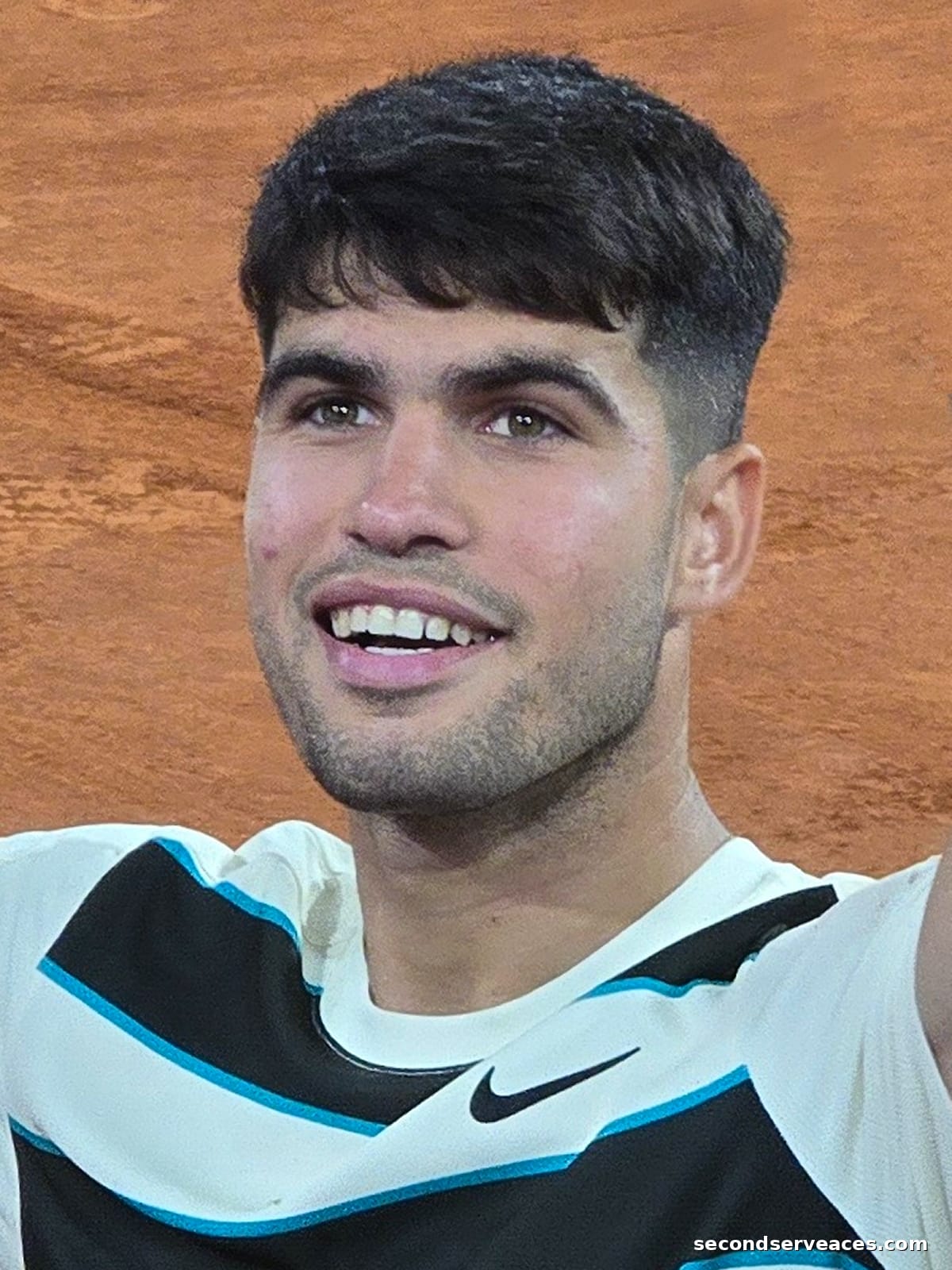
In the high-velocity world of professional tennis, the human body is less a machine and more a collection of kinetic potential waiting to be expended. For Carlos Alcaraz, the 21-year-old sensation whose game is built upon the explosive, topspin-heavy architecture of modern baseline aggression, that potential has been temporarily stifled. The official withdrawal from Wimbledon is not merely a logistical headache; it is a profound rupture in the expected narrative of the 2026 season.
Listen to the Second Serve Podcast
Get our daily AI-synthesized audio briefings and match reviews on the go.
The underlying culprit remains a recalcitrant forearm injury, a condition that has acted as a silent thief, depriving the sport of his presence at both the Queen’s Club and the French Open. When the delicate mechanics of the wrist and forearm—the very fulcrum of the Alcaraz whip-forehand—fail, the entire physical output of the player is compromised. We have witnessed this fragility before, as discussed in our previous tactical breakdown of recovery timelines, where the body's resistance dictates the rhythm of the tour.
The frustration is palpable for a talent who operates on such a razor's edge of intensity. With a return to competition now targeted for the Paris Olympics in July, the hiatus serves as a forced meditation on the longevity of a career that is still, in every sense, in its infancy. As the ATP rankings shift in his absence, the tennis world is left to contemplate the void left by his absence on the pristine lawns of the All England Club.
The Djokovic Calculus and the Vacuum of Power
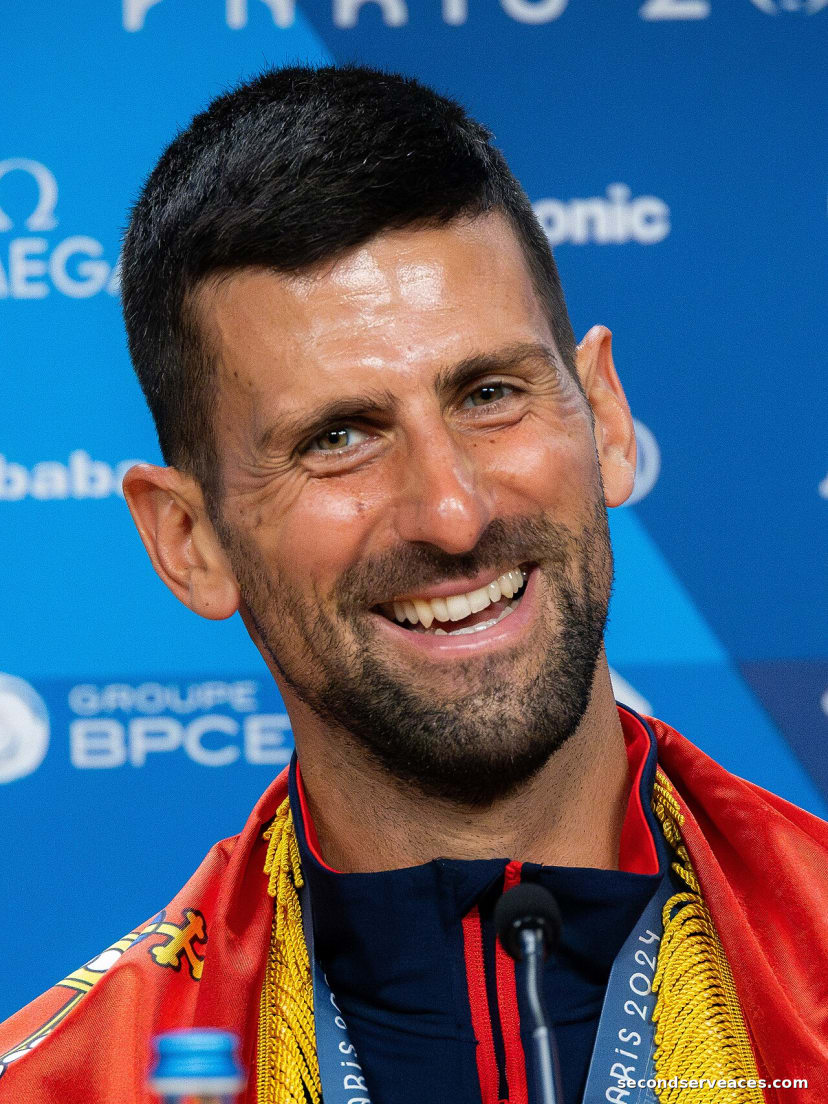
The absence of such a primary antagonist alters the gravitational pull of the entire draw. Novak Djokovic, a man whose relationship with the grass courts of SW19 is defined by an 89% win record, now finds himself in a landscape that feels strangely hollow. His 86% win rate at Roland Garros demonstrates a consistency that borders on the metaphysical, yet the absence of Alcaraz forces a recalibration of the path to the trophy.
We must look back at the tactical shifts observed in previous seasons, such as when Jannik Sinner conquered Rome, to understand how quickly the hierarchy can rearrange itself. Djokovic, the eternal benchmark, now faces a field where the primary challenger has been neutralized by biology rather than by a backhand down the line. The strategic planning for the Grand Slam season, usually a chess match against specific styles, becomes a game of navigating the unknown.
Whether this shift creates a path of least resistance or a psychological vacuum remains to be seen. The tour, as we have noted, is a series of interconnected events where the departure of one luminary creates space for others to ascend. The data suggests that without the direct interference of the Spaniard, the pressure on the remaining top seeds to dictate the pace of the match becomes the singular defining variable of the tournament.
A Youthful Trajectory Stalled at the Gate
At 21, Alcaraz exists in that liminal space between prodigy and veteran, where every injury is a test of patience. The history of the sport is littered with names that flickered with brilliance only to be dimmed by the relentless torque required to compete at the highest level. Yet, the expectation for his return in Paris is a testament to the resilience that modern sports science, and perhaps the sheer force of will, can provide.
One cannot help but reflect on the ghosts of the game—the way the legends like Roger Federer or Rafael Nadal managed their own physical erosion over decades. Alcaraz is currently in the crucible; he is learning that the game is not only about the execution of the shot but the preservation of the weapon. His withdrawal is a sobering reminder that even the most vibrant tennis is subject to the cold, hard laws of anatomy.
We look forward to seeing how the field responds to this sudden absence. For now, the grass court season loses a vital piece of its narrative, but the sport—ever cyclical and indifferent to the absence of any one man—presses on. The story of 2026 will be written by those who remain standing, even if the absence of the Spaniard looms as large as his presence once did.
What Carlos Alcaraz Plays With
Babolat Pure Aero 98
Babolat RPM Blast 1.30
Babolat VS Original (12-Pack)
Nike Vapor Pro 2
Analyze Carlos Alcaraz vs. Novak Djokovic
Predict tactical adjustments, momentum swings, and serve strategy options for this match-up using our AI simulator.
The Aces Tactical Panel
This report was curated and edited by Bhaskar Goel. Tactical analysis and technical insights were provided by our specialized panel of expert correspondents.
Julian Price
Senior Tactical Correspondent
Stuffy, pedantic British academic and historian specializing in match momentum and historical context.
Elena Cruz
Director of Analytical Research
Data scientist specializing in court surface physics and movement patterns.
Bhaskar
The Editor & Fan
Passionate tennis player and site editor bringing everyday amateur insights and relatable fan commentary.
Arthur Vance
Senior Existential Analyst
Deep, eccentric, and DFW-inspired. Models court metaphysics, kinetic beauty, and player psychology.
Leo Sterling
High-Performance Consultant
Hard-nosed ex-trainer from Melbourne with a no-nonsense view on tour fitness.
Related Reports
Quick Answers
Why did Carlos Alcaraz withdraw from Wimbledon 2026?+
Carlos Alcaraz withdrew due to a persistent forearm injury that has impacted his ability to compete at the Queen's Club and the French Open.
When is Carlos Alcaraz expected to return to competition?+
Alcaraz is currently targeting a return to the professional tour at the Paris Olympics in July.
How does Alcaraz's withdrawal impact the Wimbledon field?+
The withdrawal removes a primary contender from the grass-court major, potentially altering the path for top seeds like Novak Djokovic.