An Unsettling Reality in the 4-2 Clay Ledger
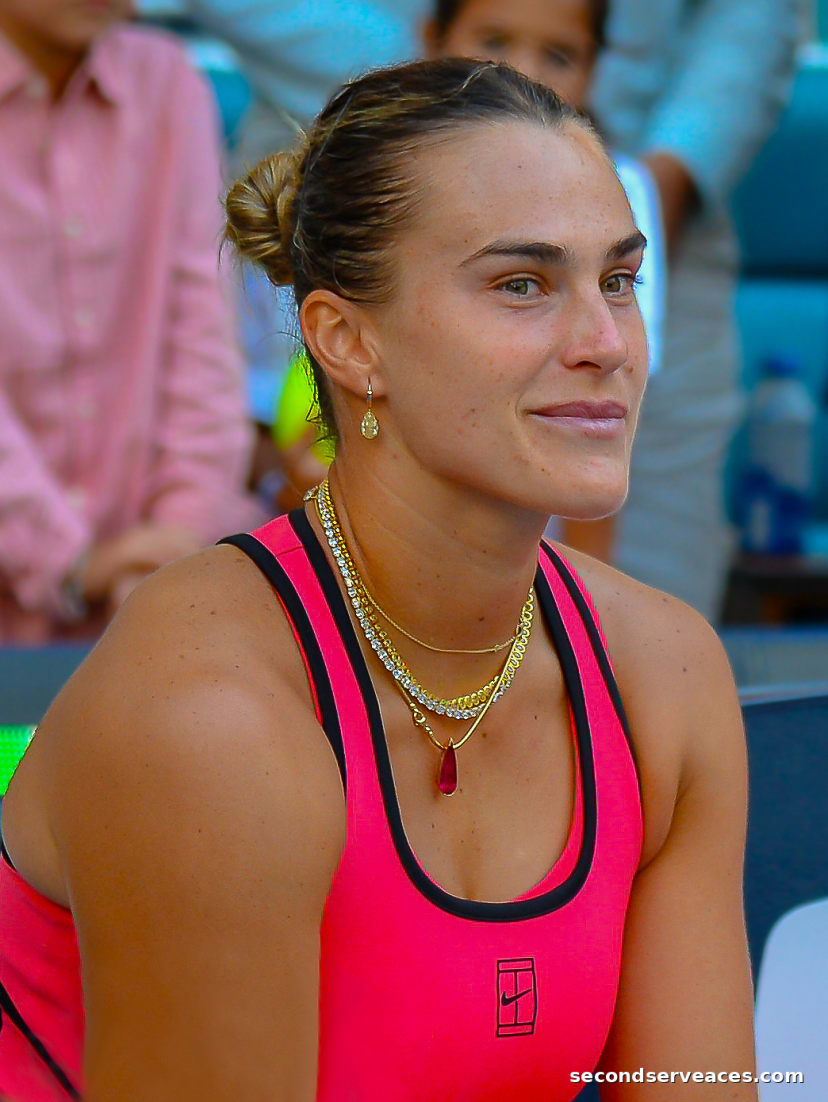
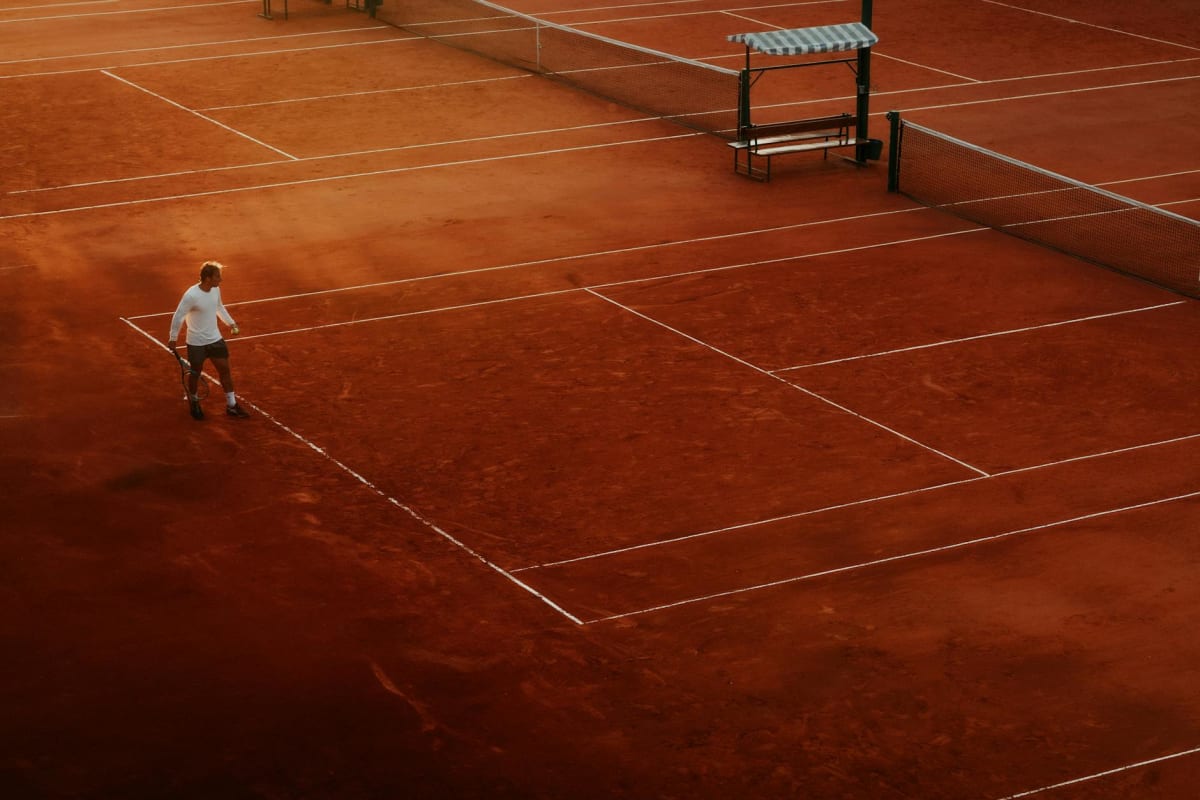
To win on the red dirt, you have to be willing to suffer. The game demands a level of patience that often goes against the grain of power-hitters. Right now, Aryna Sabalenka finds herself in a precarious position, sporting a 4-2 record on the surface this season that fails to reflect the dominance she usually exerts. It is a grind, and the scoreboard is beginning to feel the weight of those expectations.
Listen to the Second Serve Podcast
Get our daily AI-synthesized audio briefings and match reviews on the go.
Her recent exit at the Madrid Open at the hands of Hailey Baptiste, followed by a third-round stumble against Sorana Cirstea in Rome, has sent shockwaves through the tour. These weren't just losses; they were symptoms of a disconnect between her explosive brand of tennis and the sluggish realities of the European circuit.
The Equipment-Court Paradox
The conversation surrounding Sabalenka’s form has turned to the technical minutiae of the game. Greg Rusedski has been vocal about the role of the Dunlop ball in recent matches, suggesting that the aerodynamic profile of the ball, combined with historically slow court conditions, is effectively deadening her rhythm. When the ball hangs in the heavy, dampened air, the pace she relies on for winners is neutralized.
It is a mental battle as much as a tactical one. When you hit the ball with that much force and it keeps coming back with interest, the internal monologue starts to shift. Instead of playing through the ball, players start trying to paint the lines, and that is where the unforced errors bloom. Rusedski’s analysis points to a struggle not of skill, but of calibration.
Looking Toward Paris and the 2026 French Open
With the French Open looming on May 24, the clock is ticking to find a fix. She remains a top contender, but the margin for error on the dirt in Paris is razor-thin. If she can adjust her court positioning to allow for more recovery time, she might reclaim the momentum that made her a threat in the first place.
Success on clay isn't about brute force; it is about knowing when to apply pressure and when to absorb it. The upcoming tournament at Roland-Garros will be the final test of whether her game can endure the slow, grinding nature of the surface. Until then, it is all about training—and finding an answer to the heavy ball.
What Aryna Sabalenka Plays With
Wilson Blade 98 v9 (16x19)
Luxilon ALU Power 125
Wilson Pro Overgrip (12-Pack)
Analyze Aryna Sabalenka vs. Hailey Baptiste
Predict tactical adjustments, momentum swings, and serve strategy options for this match-up using our AI simulator.
The Aces Tactical Panel
This report was curated and edited by Bhaskar Goel. Tactical analysis and technical insights were provided by our specialized panel of expert correspondents.
Julian Price
Senior Tactical Correspondent
Stuffy, pedantic British academic and historian specializing in match momentum and historical context.
Elena Cruz
Director of Analytical Research
Data scientist specializing in court surface physics and movement patterns.
Bhaskar
The Editor & Fan
Passionate tennis player and site editor bringing everyday amateur insights and relatable fan commentary.
Arthur Vance
Senior Existential Analyst
Deep, eccentric, and DFW-inspired. Models court metaphysics, kinetic beauty, and player psychology.
Leo Sterling
High-Performance Consultant
Hard-nosed ex-trainer from Melbourne with a no-nonsense view on tour fitness.