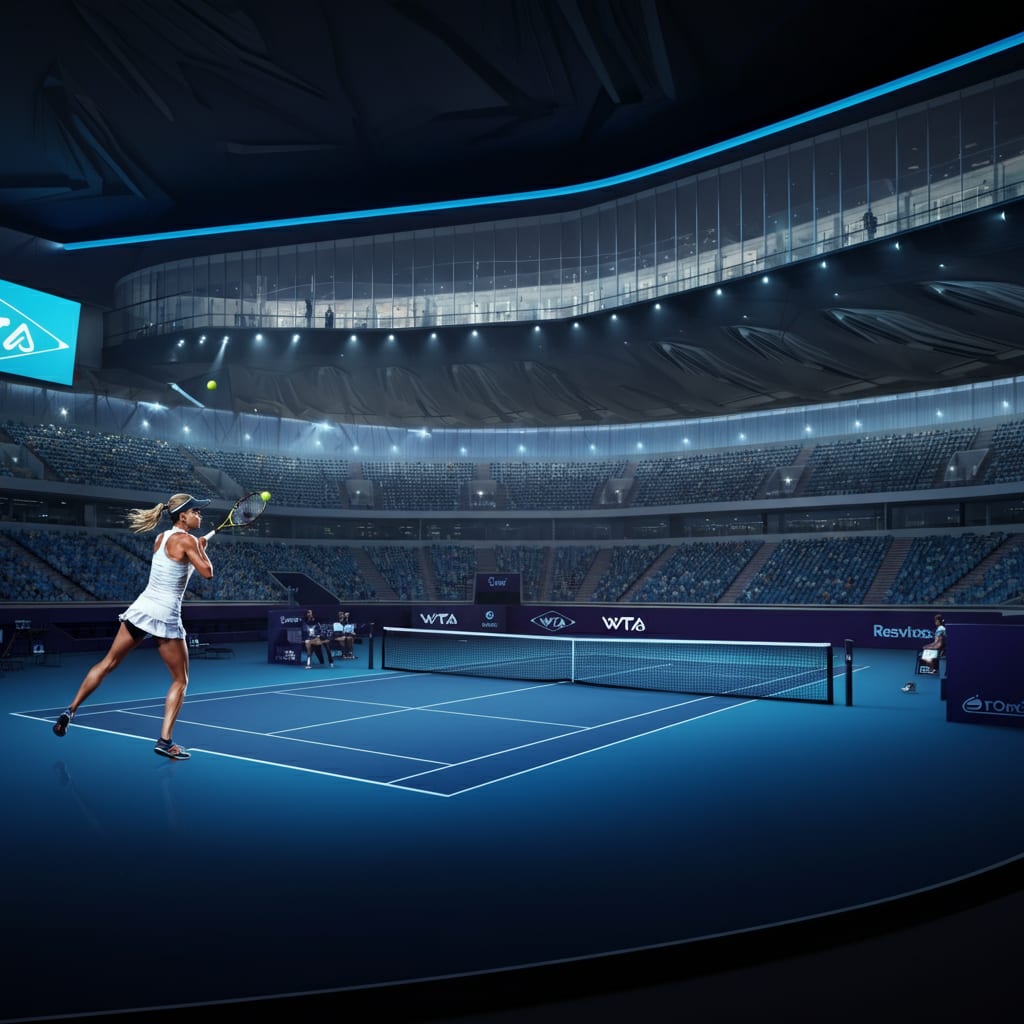
The season-ending championships have rarely enjoyed a permanent address. Unlike the four Grand Slams, which are deeply rooted in their respective soils, the WTA Finals operates as a nomadic crown jewel. As the tour prepares for the 2026 WTA Finals—which will mark the third and final year of a lucrative three-year contract with Riyadh, Saudi Arabia—the institutional tectonic plates are already shifting.
Listen to the Second Serve Podcast
Get our daily AI-synthesized audio briefings and match reviews on the go.
According to a recent report from the Sports Business Journal, the tour is heavily scouting its next anchor destination. Charlotte, North Carolina, has emerged as a leading contender to host the prestigious event once the Riyadh contract officially expires. This potential relocation highlights a fascinating juncture for women’s tennis, balancing international expansion against the pull of established North American sports markets.
The original decision to position the tour's flagship event in Saudi Arabia was not reached without intense internal and external deliberation. The move generated a complex dialogue regarding human rights and the structural evolution of the sport.
- The Voices of Dissent: Hall of Famers Martina Navratilova and Chris Evert openly debated the Riyadh agreement, publicly citing deep concerns regarding the treatment of women in the region.
- The Grassroots Initiative: Conversely, the region has attempted to modernize its sporting infrastructure, recently hiring renowned coach Judy Murray to spearhead tennis and community development efforts in Saudi Arabia.
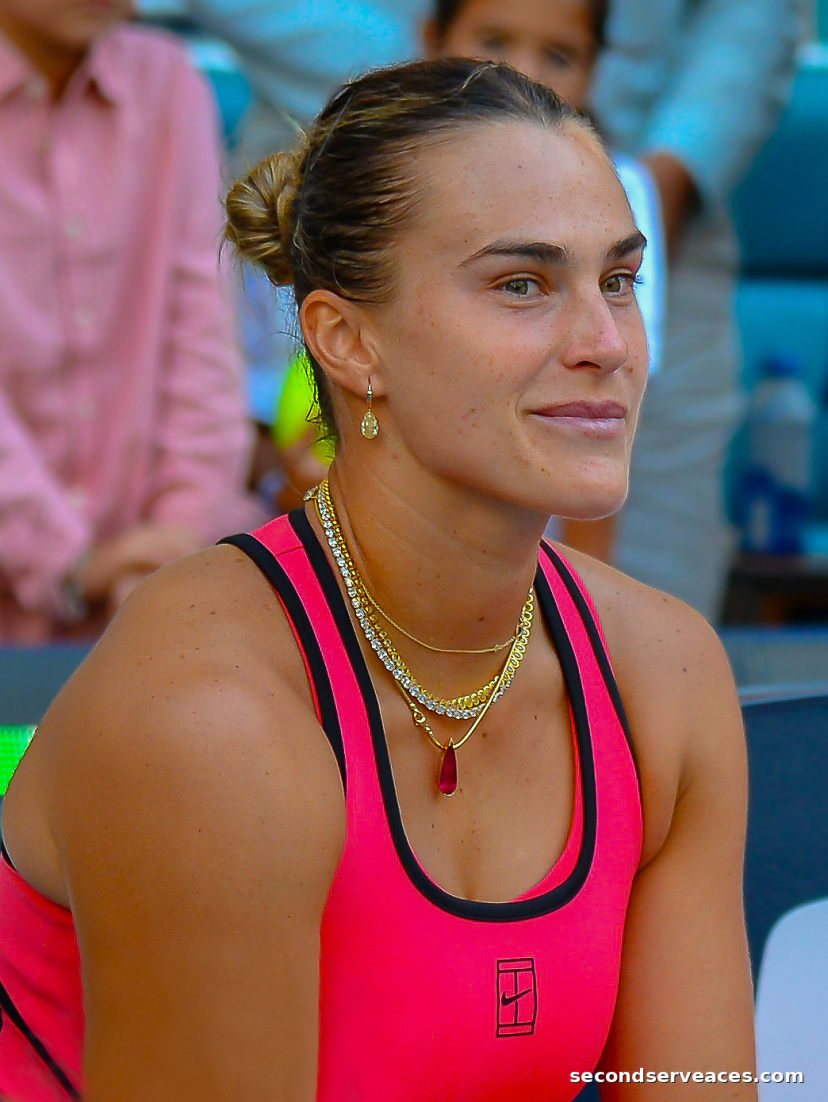
As players like Aryna Sabalenka, Ons Jabeur, and rising American star Emma Navarro navigate this evolving calendar, the physical location of the Finals fundamentally dictates the tactical environment they must prepare for.
The Tactical Breakdown
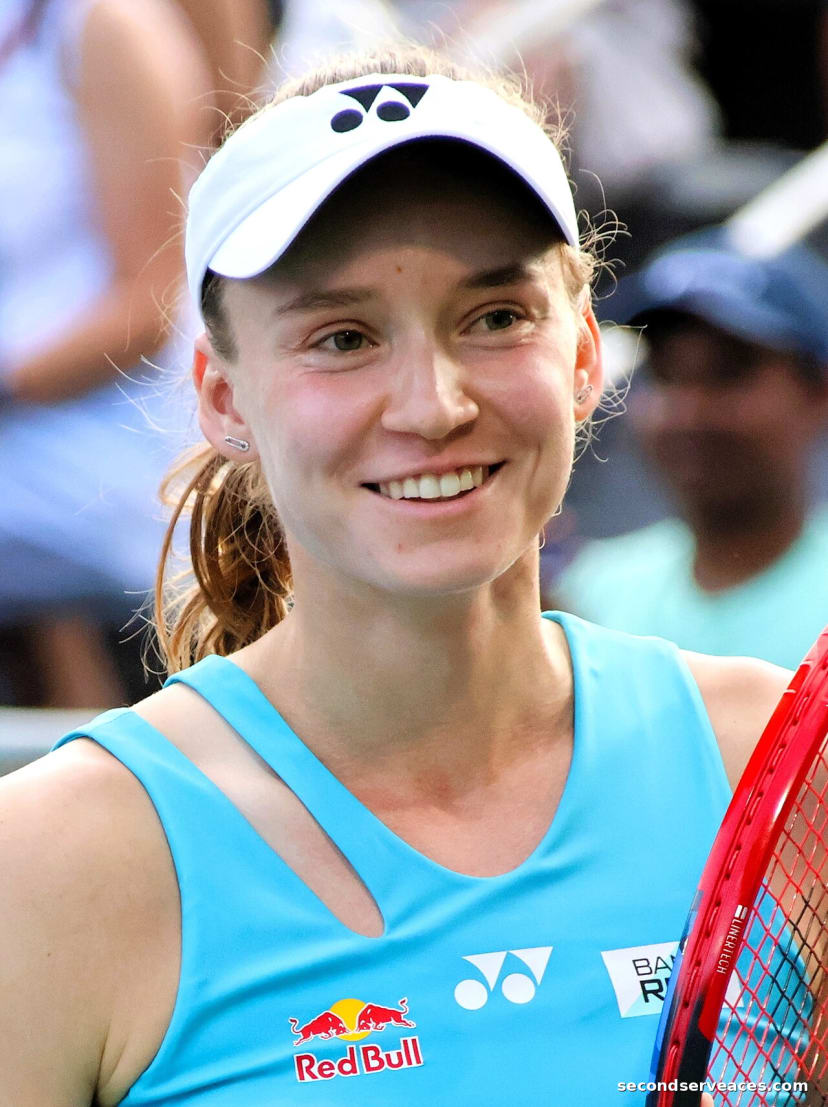
To understand the implications of these host cities, we must examine how modern controlled environments influence the actual tennis. The intelligence data names Elena Rybakina as the defending singles champion, while the tandem of Veronika Kudermetova and Elise Mertens hold the defending doubles crown.
Rybakina’s success in elite, late-season conditions is no accident. Indoor or strictly controlled outdoor night conditions—common in locations like Riyadh or a potential Charlotte indoor arena—strip away natural variables like wind and sun glare. This creates a tactical vacuum that heavily favors first-strike tennis over grinding defense.
When Rybakina establishes optimal court geometry, she operates with ruthless efficiency. Her game is built around explosive serve placement patterns, frequently hitting the corners with flat, penetrating pace. Without wind to push the ball off its axis, players who rely heavily on heavy topspin to shape the rally often find themselves rushed. Rybakina limits the opponent's reaction time, stepping inside the baseline to neutralize high-bouncing balls before they crest.
Historically, players attempting to disrupt this rhythm must find a way to shift match momentum by dragging a heavy-hitter into lateral, extended rallies. But in a sterile indoor environment, forcing a critical break point against a server of Rybakina's caliber becomes a statistical anomaly. The clean conditions allow flat hitters to maintain high-risk, low-margin targets with devastating consistency.
The Bigger Picture
A potential move to Charlotte, North Carolina, represents more than just a change of time zones; it signals a strategic pivot for the WTA’s business model. Over the last decade, the Finals have hopped from Singapore to Shenzhen, Guadalajara, Fort Worth, Cancun, and Riyadh. This constant geographic shuffling places immense logistical strain on the players' end-of-season schedules.
Charlotte has quietly spent the last five years transforming into a premier hub for sports business and infrastructure, heavily investing in state-of-the-art facilities that could easily house a global tennis event. Returning the event to the United States would tap into a burgeoning domestic tennis market, fueled by a new generation of American talent breaking into the upper echelons of the rankings.
As the tour honors its final obligations in Riyadh, the broader narrative will remain focused on stability. The WTA needs a host city capable of delivering world-class attendance, flawless court conditions, and a commercial ecosystem that can support the tour's growth. Whether Charlotte ultimately secures the bid or another global player steps into the fray, the eventual decision will shape the trajectory of the women's tour well into the next decade.
What Aryna Sabalenka Plays With
Wilson Blade 98 v9 (16x19)
Luxilon ALU Power 125
Wilson Pro Overgrip (12-Pack)
Analyze Elena Rybakina vs. Veronika Kudermetova
Predict tactical adjustments, momentum swings, and serve strategy options for this match-up using our AI simulator.
The Aces Tactical Panel
This report was curated and edited by Bhaskar Goel. Tactical analysis and technical insights were provided by our specialized panel of expert correspondents.
Julian Price
Senior Tactical Correspondent
Stuffy, pedantic British academic and historian specializing in match momentum and historical context.
Elena Cruz
Director of Analytical Research
Data scientist specializing in court surface physics and movement patterns.
Bhaskar
The Editor & Fan
Passionate tennis player and site editor bringing everyday amateur insights and relatable fan commentary.
Arthur Vance
Senior Existential Analyst
Deep, eccentric, and DFW-inspired. Models court metaphysics, kinetic beauty, and player psychology.
Leo Sterling
High-Performance Consultant
Hard-nosed ex-trainer from Melbourne with a no-nonsense view on tour fitness.