A Legacy Refined on the European Dirt
There is a specific, melancholy gravity to the way Venus Williams approaches the geometry of a tennis court. At 458th in the WTA rankings, the conversation surrounding her presence at the 2026 French Open shifts away from the aerobic exhaustion of singles. Instead, we observe a calculated pivot toward the collaborative, high-velocity world of doubles.
Listen to the Second Serve Podcast
Get our daily AI-synthesized audio briefings and match reviews on the go.
Beginning May 24, Williams will re-enter the Parisian fray, opting to forgo the brutal physical toll of qualifying rounds in singles to concentrate her remaining competitive fire on the doubles draw. It is a decision rooted in the economy of movement, a hallmark of an athlete who has redefined her utility within the sport over three decades.
History reminds us of her mastery on this specific surface; Williams has previously claimed two women's doubles titles and one mixed doubles title at Roland-Garros. While the clay-heavy spin and lung-busting rallies of the singles circuit demand a singular type of endurance, doubles allows her to leverage her unparalleled net instincts and serve-placement craft.
The Strategic Synergy of Baptiste and Williams
Her chosen partner, Hailey Baptiste, represents the modern, kinetic energy of the WTA. Baptiste, whose recent victory over world number one Aryna Sabalenka at the Madrid Open showcased a burgeoning ability to dismantle defensive baseliners, provides the necessary explosive power to balance Williams’ strategic patience.
The juxtaposition here is fascinating—the seasoned tactician paired with a player currently ascending the tour's hierarchy. For Williams, the partnership is less about a final hurrah and more about the efficiency of pairing her vast experience with Baptiste’s raw, unflinching offensive rhythm.
When you synthesize the historical weight of Williams’ pedigree with the upward mobility of Baptiste, you find a chemistry experiment that could prove disruptive in the draw. They aren't simply entering a tournament; they are testing the limits of how professional, high-level tennis can adapt to the shifting capabilities of its veterans.
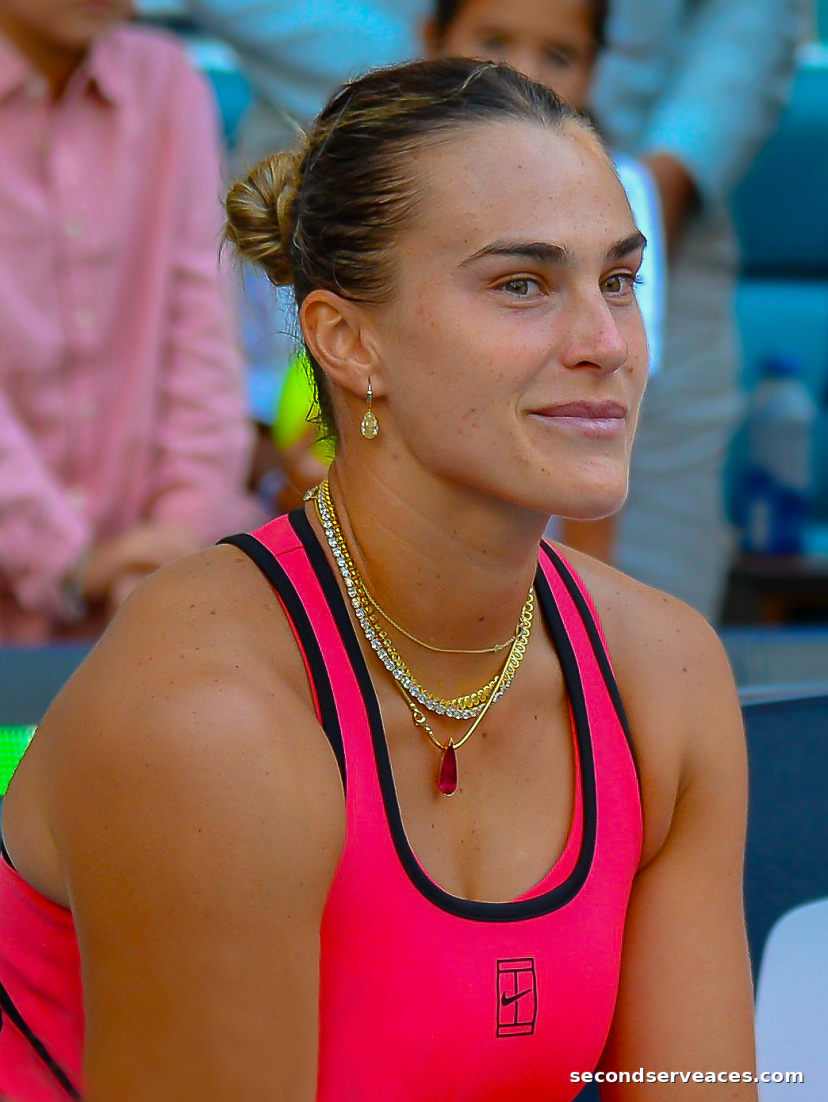
What Aryna Sabalenka Plays With
Wilson Blade 98 v9 (16x19)
Luxilon ALU Power 125
Analyze Venus Williams vs. Hailey Baptiste
Predict tactical adjustments, momentum swings, and serve strategy options for this match-up using our AI simulator.
The Aces Tactical Panel
This report was curated and edited by Bhaskar Goel. Tactical analysis and technical insights were provided by our specialized panel of expert correspondents.
Julian Price
Senior Tactical Correspondent
Stuffy, pedantic British academic and historian specializing in match momentum and historical context.
Elena Cruz
Director of Analytical Research
Data scientist specializing in court surface physics and movement patterns.
Bhaskar
The Editor & Fan
Passionate tennis player and site editor bringing everyday amateur insights and relatable fan commentary.
Arthur Vance
Senior Existential Analyst
Deep, eccentric, and DFW-inspired. Models court metaphysics, kinetic beauty, and player psychology.
Leo Sterling
High-Performance Consultant
Hard-nosed ex-trainer from Melbourne with a no-nonsense view on tour fitness.