The Defending Champion’s Stewardship
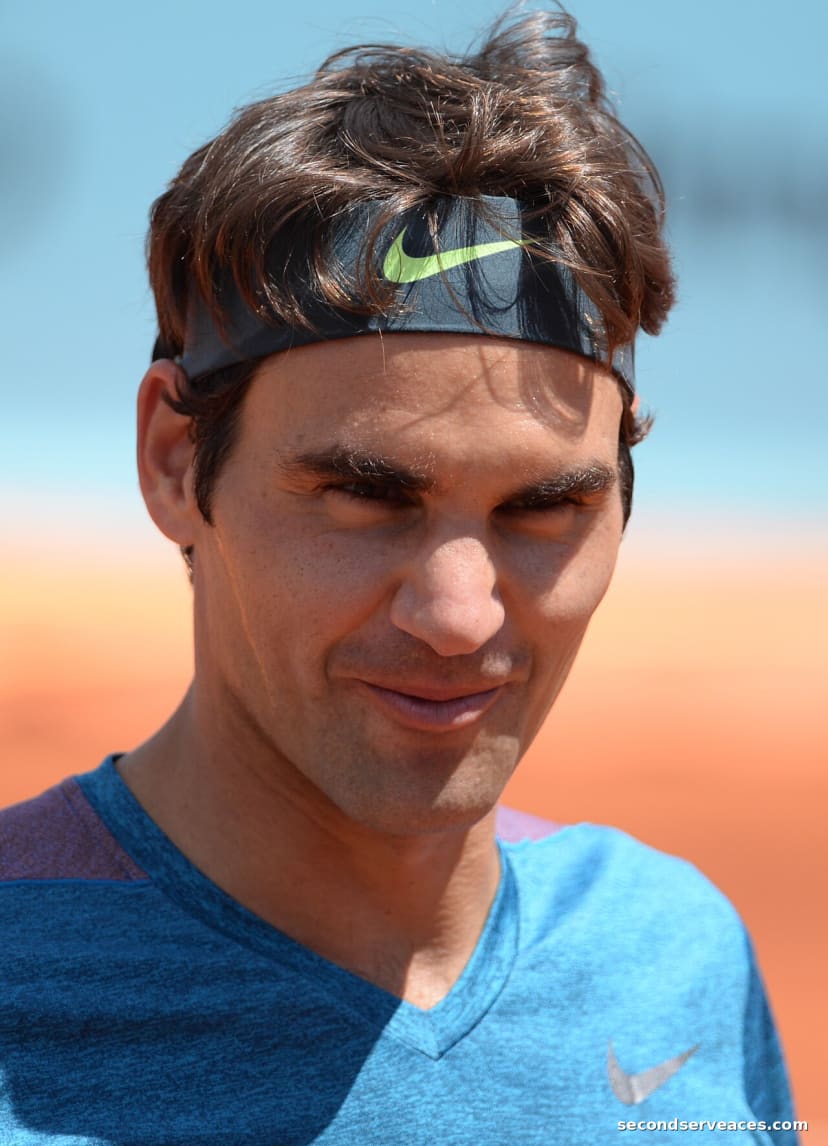
The transition from the slow, pulverized brick of Roland-Garros to the slick, unforgiving verdancy of the ATP Tour grass-court swing necessitates a complete recalibration of the kinetic chain. Taylor Fritz, who claimed the title in Stuttgart during the previous cycle, finds himself the standard-bearer for a contingent that has spent two decades in the shadow of the 2003 US Open triumph by Andy Roddick. For Fritz, the challenge is not merely defending hardware; it is maintaining the verticality required for surface-specific success.
Listen to the Second Serve Podcast
Get our daily AI-synthesized audio briefings and match reviews on the go.
The Stuttgart event functions as a laboratory for the recalibration of spin rates and footwork patterns. Defending the title requires an acute understanding of how a ball skids off the fibers rather than biting into the substrate. Fritz’s game, built on reliable, heavy baseline metrics, must now adapt to the lower bounce, favoring flatter trajectories that prevent opponents from finding their rhythm under the high-pressure conditions of the early grass season.
Beyond the simple act of defending a trophy, Fritz represents the current ceiling of American consistency. His participation signals a commitment to the foundational elements of serve-and-volley architecture, a discipline that remains essential for longevity on these faster courts. He acts as the anchor point for a movement that is increasingly hungry to terminate the drought of American Grand Slam titles that has persisted since Roddick’s final peak.
The Unpredictability Factor of Nick Kyrgios
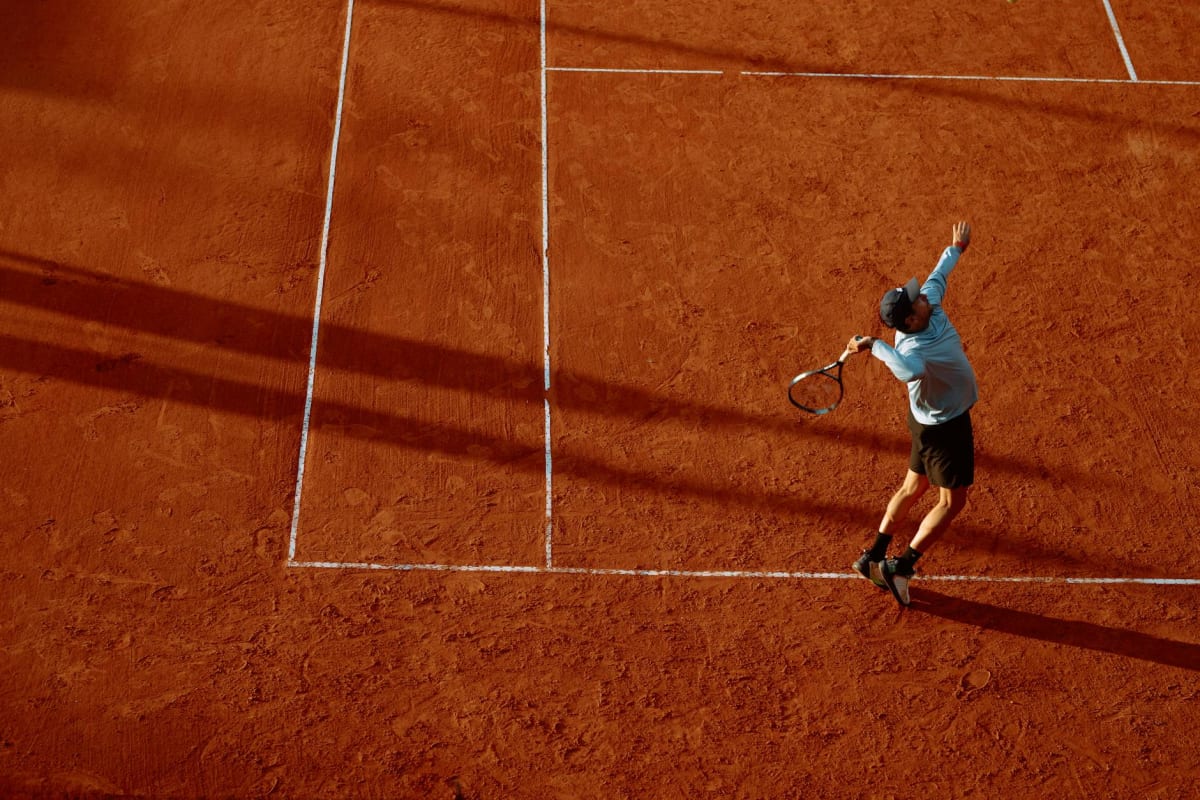
Adding a volatile layer of pure tactical unpredictability, Nick Kyrgios enters the draw, bringing a unique brand of kinetic energy that oscillates between genius and chaos. On grass, his serve is perhaps the most efficient weapon in the modern game, utilizing a rapid-fire release that denies the returner the time needed to formulate a tactical response. His presence in Stuttgart transforms the tournament into a high-stakes encounter where the margin for error effectively vanishes.
Kyrgios does not play the game so much as he conducts a series of rapid-fire experiments with geometry. When he is engaged, his service motion is a masterpiece of economy, a violent yet fluid explosion of force that minimizes the window for his opponents to initiate rallies. This makes him the ultimate gatekeeper in a draw filled with baseline specialists who favor the structured reliability of hard-court exchanges.
Watching Kyrgios on grass is an exercise in observing the limits of human reaction time. His willingness to shorten points serves as a sharp critique of the extended, grind-it-out rallies often seen on slower surfaces. For the younger Americans entering this field, he provides the ultimate benchmark for how to exploit the unique properties of the grass, challenging them to elevate their own creativity to match his improvisational style.
The Ascent of Ben Shelton
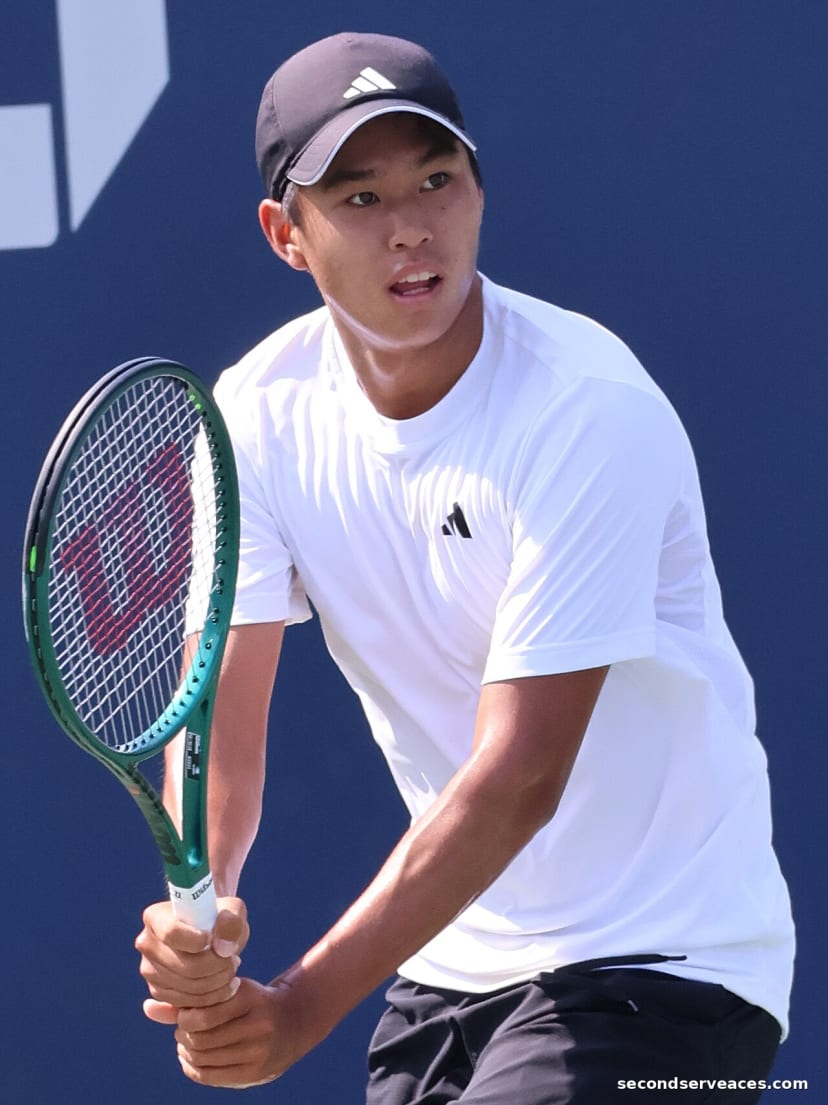
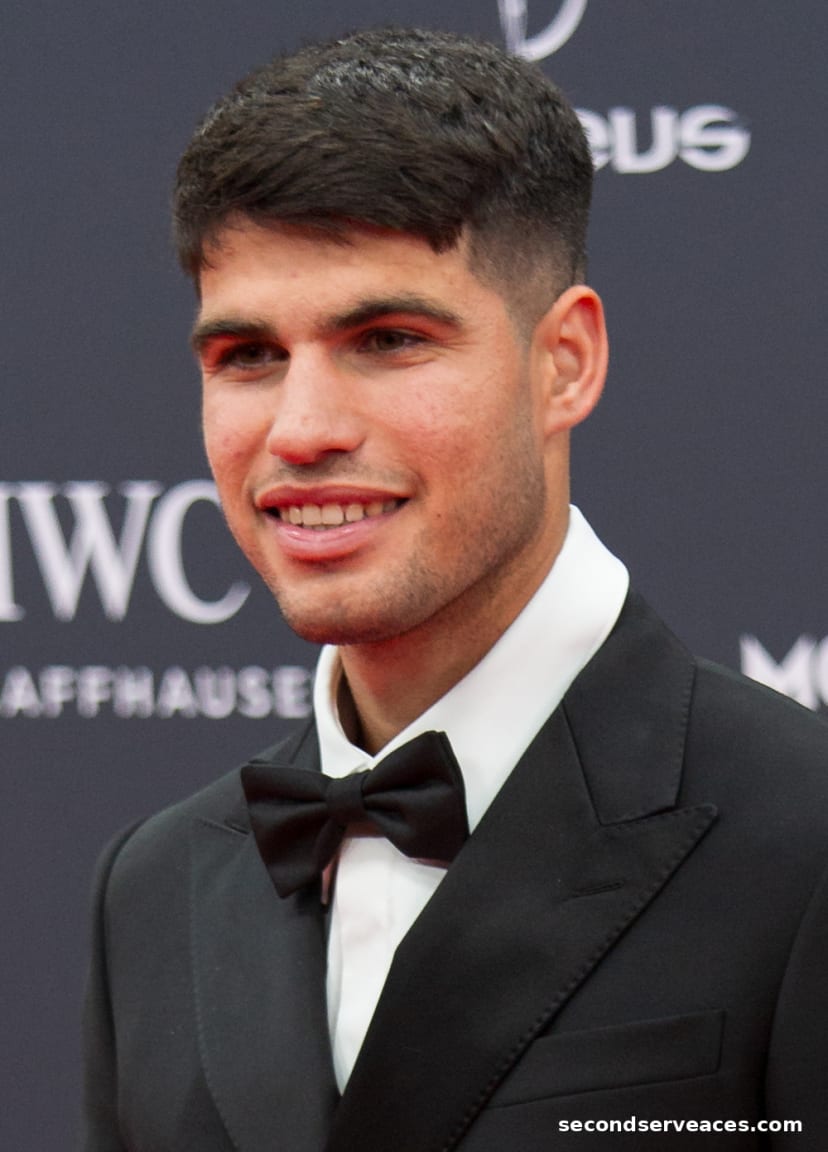
Ben Shelton arrives in Germany carrying the momentum of a player whose ceiling remains tantalizingly undefined. His game is characterized by an almost raw, unbridled physical athleticism, utilizing a high-velocity serve that forces immediate discomfort upon his peers. Following the news that Carlos Alcaraz will bypass the 2026 Roland-Garros proceedings due to injury, the spotlight on the emerging talents in the men’s game has grown exponentially brighter.
Shelton’s style is the antithesis of the cerebral, measured approach practiced by many of his contemporaries. He approaches the court with a swagger that borders on the aggressive, constantly looking to pin his opponent into a corner before unleashing a finishing strike. On grass, this aggression becomes a weapon, as the surface rewards those who are willing to take the initial initiative before the ball loses its vertical momentum.
As the tour turns its gaze toward the summer months, the pressure on Shelton to convert his potential into sustained brilliance is tangible. He is part of a cohort that knows the world number one, Jannik Sinner, is not an immovable object, but rather a target to be pursued. Stuttgart provides the perfect testing ground for Shelton to refine his transition game and prove that he can thrive on surfaces that demand immediate, decisive action.
A Landscape Without the Titan
The vacuum left by Alcaraz’s absence from Paris adds a layer of existential significance to these upcoming tournaments. The tour feels different when one of its primary protagonists is sidelined, forcing others to step into the role of the primary antagonist. This shift in the power dynamic forces players like Shelton, Fritz, and others to evaluate their own readiness to claim the mantle of the elite.
In this climate, every match becomes a statement of intent. The grass is no longer merely a transition; it is the stage upon which the next act of the season will be written. The collective focus of the American men—seeking to replicate the historical success of predecessors while innovating with modern training methodologies—is set firmly on turning these mid-season ATP 250s into proof-of-concept for larger, more prestigious conquests.
We are watching the emergence of a new order, one where tactical depth and physical resilience are continuously being tested against the backdrop of changing surfaces and shifting expectations. Stuttgart, in its quiet, efficient efficiency, remains the ideal venue for these narratives to unfold, far from the grand theater of Paris, yet essential to the growth of those who hope to dominate the final months of the calendar year.
What Ben Shelton Plays With
Yonex Ezone 98 (7th Gen)
Yonex Poly Tour Pro 125
Yonex Super Grap (12-Pack)
Analyze Ben Shelton vs. Taylor Fritz
Predict tactical adjustments, momentum swings, and serve strategy options for this match-up using our AI simulator.
The Aces Tactical Panel
This report was curated and edited by Bhaskar Goel. Tactical analysis and technical insights were provided by our specialized panel of expert correspondents.
Julian Price
Senior Tactical Correspondent
Stuffy, pedantic British academic and historian specializing in match momentum and historical context.
Elena Cruz
Director of Analytical Research
Data scientist specializing in court surface physics and movement patterns.
Bhaskar
The Editor & Fan
Passionate tennis player and site editor bringing everyday amateur insights and relatable fan commentary.
Arthur Vance
Senior Existential Analyst
Deep, eccentric, and DFW-inspired. Models court metaphysics, kinetic beauty, and player psychology.
Leo Sterling
High-Performance Consultant
Hard-nosed ex-trainer from Melbourne with a no-nonsense view on tour fitness.