The Fight for Five
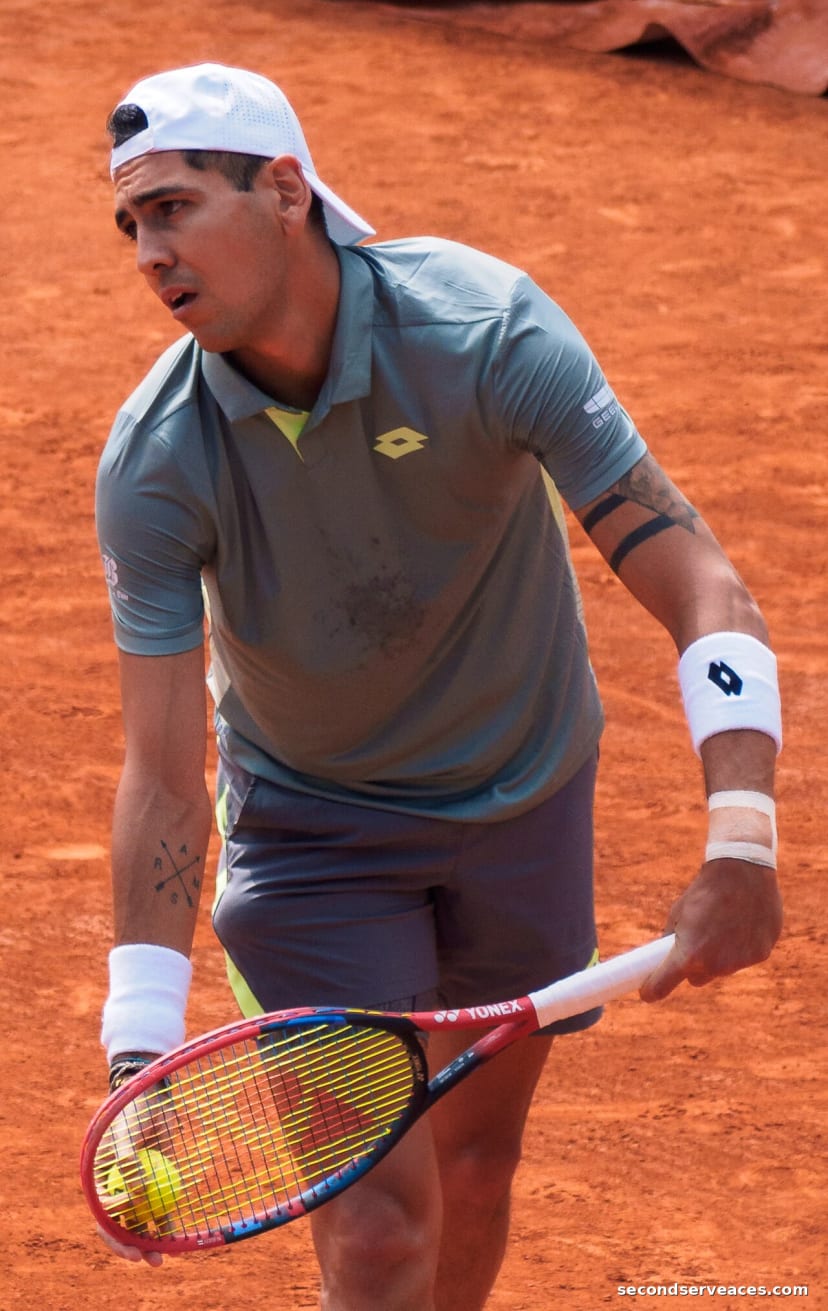
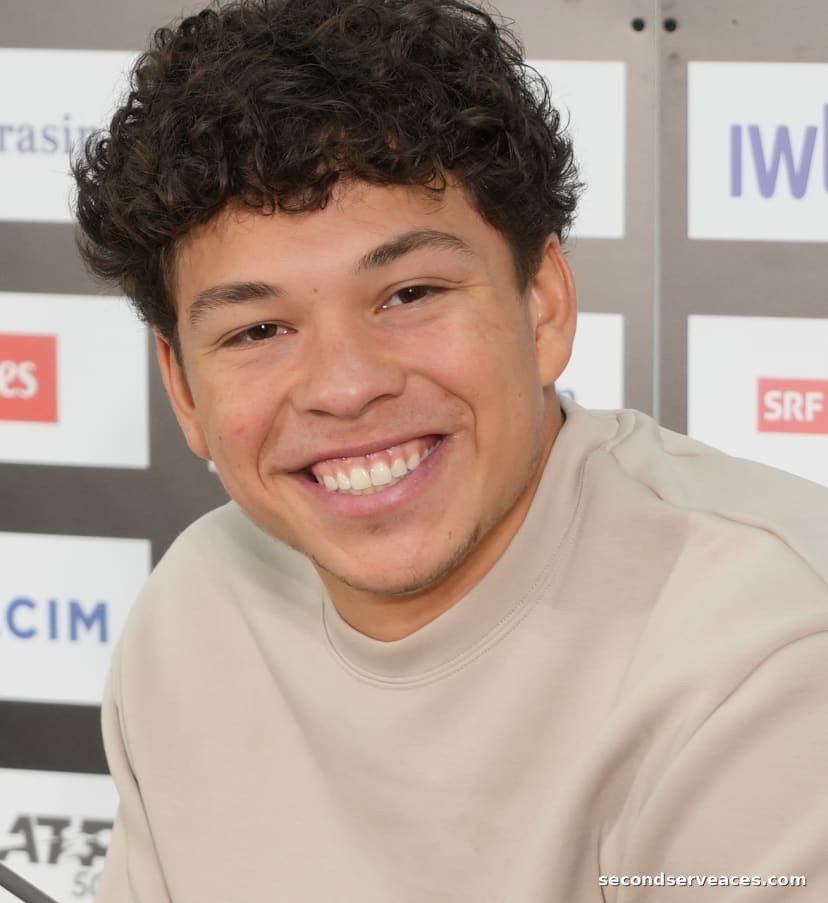
Tennis isn't just about the highlight reels or the clean winners that land on the line. It's about what happens when you’re staring down the barrel of a loss, your lungs burning, with the finish line slipping away. That was the reality for Tommy Paul in Houston this week, as he battled through 2 hours and 40 minutes of high-stakes tension to secure his fifth career ATP title with a 6-1, 3-6, 7-5 victory over Roman Burruchaga.
Listen to the Second Serve Podcast
Get our daily AI-synthesized audio briefings and match reviews on the go.
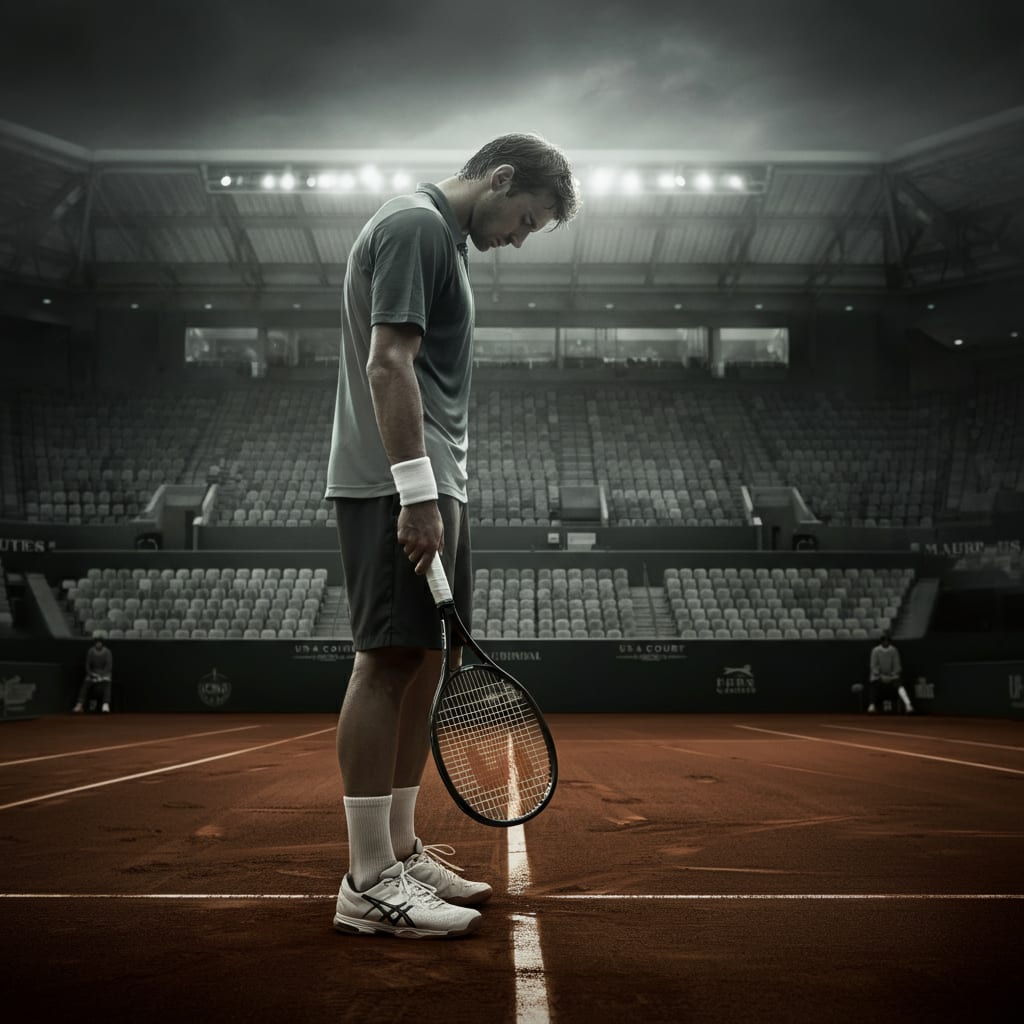
The match was a rollercoaster of momentum. Paul looked to be in cruise control during the opener, but the sport has a way of humbling you the moment you get comfortable. Burruchaga, a man playing in his first-ever ATP final, found his rhythm, pushed back, and suddenly Paul was trailing 5-3 in the third set, facing three match points. It’s in those moments, when the crowd noise fades into a dull hum and the only thing that matters is the next ball, that you see the character of a champion. Paul didn't flinch; he dialed in and turned the deficit into a trophy.
The Tactical Breakdown
To understand how Paul navigated that third-set minefield, you have to look at the geometry of clay-court tennis. On this surface, the court opens up differently. The serve isn't a terminal weapon; it’s a setup tool. Paul’s strength lies in his ability to maintain rally tolerance while incrementally tightening the screws on his opponent’s movement.
- Rally Management: Against an opponent like Burruchaga, who was clearly playing with the freedom of a finalist debutant, Paul had to shift from his usual aggressive baseline game to a more patient, depth-oriented approach.
- The Pivot: When Paul was down 5-3, he stopped chasing the line and started forcing the error. By directing heavy, high-bouncing topspin to the center of the court, he limited Burruchaga's angles, effectively resetting the point architecture until he could dictate with his forehand.
- Mental Anchor: The ability to save three match points usually comes down to serve placement under duress. By prioritizing high-percentage targets rather than seeking aces, Paul took the air out of the opponent’s momentum.
The Bigger Picture
This title in Houston carries weight. For Tommy Paul, building a resume of five ATP titles signifies a transition from a dangerous floater to a perennial threat. Roman Burruchaga’s appearance in this final, while ending in heartbreak, puts the tour on notice; the lineage of his father, Jorge Burruchaga, clearly carries a competitive DNA that translates well under professional pressure.
For Paul, the challenge now is maintaining this level of focus as the clay-court season deepens. Winning matches like this—where you are statistically against the ropes—provides a mental reservoir you can draw from in later rounds of Masters 1000 events or the upcoming majors. You learn to trust your legs when they’re tired and your mind when it wants to panic. That is the grind, and that is what makes this result significant.
Essential Matchday Add-Ons
Tournament-tested accessories and high-frequency consumables every competitive player keeps in their bag.
Tourna Grip Original Dry Feel Overgrip (10-Pack)
4.8 ★ (12,000+ reviews)
The gold standard for sweaty hands. Proprietary dry feel absorbs moisture better as play intensifies.
Luxilon ALU Power 125 Silver String Set
4.9 ★ (3,500+ reviews)
Unrivaled control and spin potential used by over 50% of the ATP Top 100 players.
Babolat Custom Damp Vibration Dampener (2-Pack)
4.7 ★ (4,200+ reviews)
Customizable dampening with removable central O-ring for fine-tuning court feedback and sound.
Penn Championship Extra Duty Tennis Balls (4-Can Pack)
4.7 ★ (8,900+ reviews)
Official ball of USTA League Tennis with extra-duty felt designed for abrasive hard courts.
Analyze Tommy Paul vs. Roman Burruchaga
Predict tactical adjustments, momentum swings, and serve strategy options for this match-up using our AI simulator.
The Aces Tactical Panel
This report was curated and edited by Bhaskar Goel. Tactical analysis and technical insights were provided by our specialized panel of expert correspondents.
Julian Price
Senior Tactical Correspondent
Stuffy, pedantic British academic and historian specializing in match momentum and historical context.
Elena Cruz
Director of Analytical Research
Data scientist specializing in court surface physics and movement patterns.
Bhaskar
The Editor & Fan
Passionate tennis player and site editor bringing everyday amateur insights and relatable fan commentary.
Arthur Vance
Senior Existential Analyst
Deep, eccentric, and DFW-inspired. Models court metaphysics, kinetic beauty, and player psychology.
Leo Sterling
High-Performance Consultant
Hard-nosed ex-trainer from Melbourne with a no-nonsense view on tour fitness.