The Physical Price of the European Spring
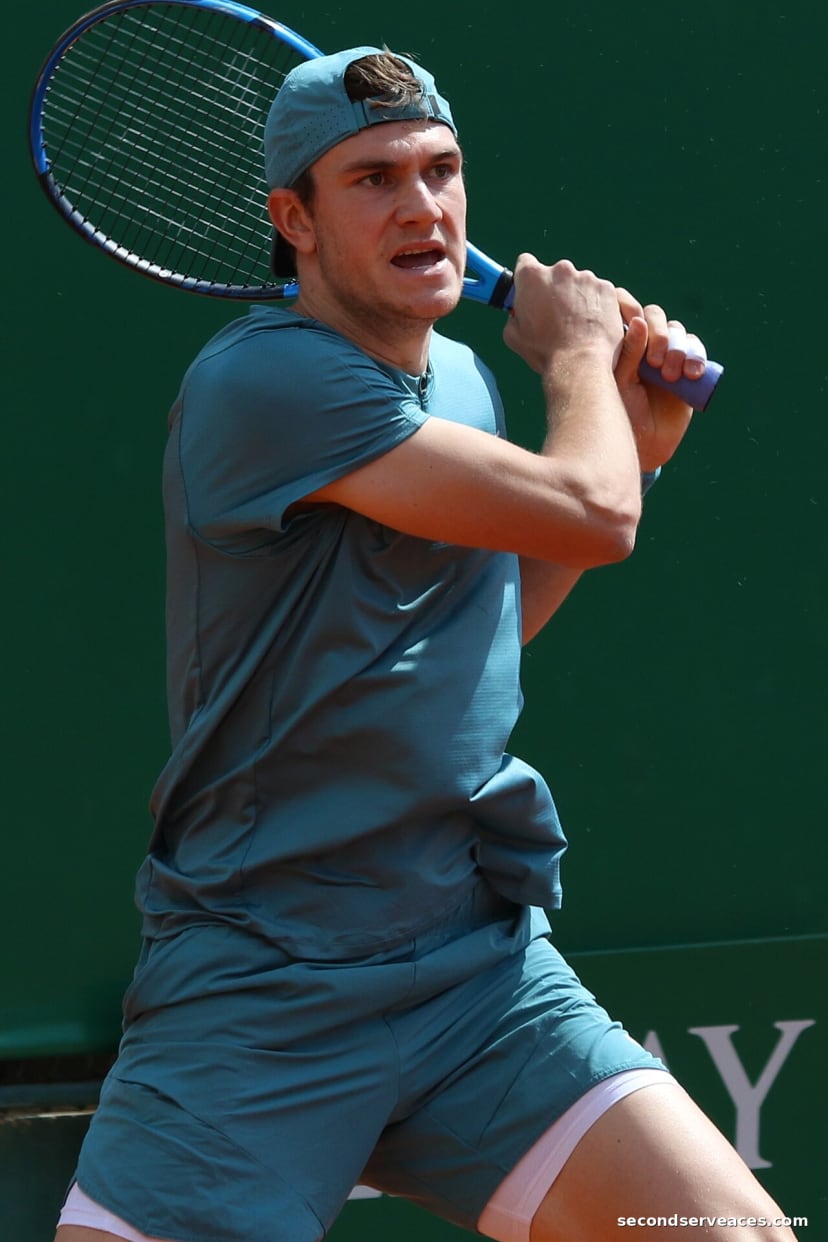
The Internazionali BNL d'Italia is designed to be the ultimate test of endurance, a gladiatorial precursor to Roland-Garros. Yet, as the 2026 clay season reaches its crescendo, the roster is thinning in ways that command our attention. Taylor Fritz, battling persistent tendonitis in his right knee, is the latest to vacate his spot in the draw. It is a harsh reminder that at this level, the body often dictates terms before the racket does.
Listen to the Second Serve Podcast
Get our daily AI-synthesized audio briefings and match reviews on the go.
Fritz joins a growing cohort of professionals forced to recalibrate their schedules. With seven total withdrawals already logged in the men's singles, the event is undergoing a profound structural shift. We aren't just seeing names scratched off a bracket; we are witnessing a systemic struggle to maintain the physical integrity required for the heavy, sliding demands of the European red dirt.
The ATP Tour calendar, relentless and unforgiving, offers no respite for those nursing inflammation or connective tissue fatigue. When a player like Fritz bows out, it isn't merely about the loss of a seed; it is about the sudden vacuum created in the top half of a draw that requires immense power to navigate.
The Void Left by Alcaraz and the Changing Guard
The gravity of the current situation is underscored by the absence of Carlos Alcaraz, who has opted to bypass the entire 2026 clay season. This is a seismic adjustment for the sport, stripping the field of its most explosive movement patterns and leaving a void that younger or alternative contenders are now forced to fill.
In the wake of these exits, the draw has been reshuffled to accommodate replacements. Svajda, Duckworth, and Roberto Bautista Agut have been pulled into the main draw to fill the spots left by Fritz, Eliot Spizziri, and Kamil Majchrzak. This injection of new blood brings a different flavor to the courts in Rome, though it highlights the fragility of the elite tier this spring.
Bautista Agut’s presence feels particularly poignant as he moves through his final season on tour. His career has been defined by a relentless work ethic and a refusal to yield to circumstance. Seeing him step into the breach as the veterans and rising stars alike fight the ATP rankings and their own physiology is a testament to the cycles of professional tennis.
Tactical Realignments in the Absence of Favorites
With seven players out of the men's field, the tactical preparation for those remaining has been flipped on its head. Teams that spent weeks scouting the specific movement patterns of Fritz or the aggressive baseline pressure of Alcaraz must now pivot toward the grind-it-out styles of replacements like Duckworth or the veteran guile of Bautista Agut.
This is where matches are won and lost in the film room. Coaching staffs are scrambling to adjust their game plans against opponents who, while perhaps not carrying the same 'headline' status, possess the specific tactical nuisance required to exploit an opponent's hesitation. The mental edge now shifts to those who can remain adaptive amidst the chaos of a restructured draw.
The reality is that Rome remains a crucible, regardless of who is standing across the net. The surface demands a level of knee flexion and rotational stability that quickly exposes any underlying tendonitis. Players who aren't at 100 percent are finding that Rome has no mercy, leading to the high withdrawal numbers we see today.
Looking Toward the Grass-Court Pivot
As the clay season begins to fade, the focus naturally shifts to how these injuries will dictate the transition to grass. Tendonitis is a fickle companion; it doesn't just disappear with rest. For Fritz and others, the upcoming weeks are a high-stakes balancing act between necessary recovery and the imperative to find rhythm before the shorter grass-court window.
There is no shortcut in this game. You either respect the internal architecture of your body, or the game eventually makes the decision for you. Watching the list of withdrawals grow in Rome is a stark, public admission of this reality. It is a brutal game, and for those sidelined, the focus now turns entirely to the rehab room and the long-term goal of getting back to peak match momentum.
We are watching the sport shift in real-time. Whether it's the retirement of a stalwart like Bautista Agut or the tactical shifts forced by the absence of the tour’s biggest names, the narrative of 2026 is being written in the trainer’s room as much as it is on the baseline. Rome will crown a champion, but the journey to that trophy has never looked more uncertain.
What Taylor Fritz Plays With
Head Radical MP 2024
Yonex Poly Tour Strike
Analyze Taylor Fritz vs. Kamil Majchrzak
Predict tactical adjustments, momentum swings, and serve strategy options for this match-up using our AI simulator.
The Aces Tactical Panel
This report was curated and edited by Bhaskar Goel. Tactical analysis and technical insights were provided by our specialized panel of expert correspondents.
Julian Price
Senior Tactical Correspondent
Stuffy, pedantic British academic and historian specializing in match momentum and historical context.
Elena Cruz
Director of Analytical Research
Data scientist specializing in court surface physics and movement patterns.
Bhaskar
The Editor & Fan
Passionate tennis player and site editor bringing everyday amateur insights and relatable fan commentary.
Arthur Vance
Senior Existential Analyst
Deep, eccentric, and DFW-inspired. Models court metaphysics, kinetic beauty, and player psychology.
Leo Sterling
High-Performance Consultant
Hard-nosed ex-trainer from Melbourne with a no-nonsense view on tour fitness.