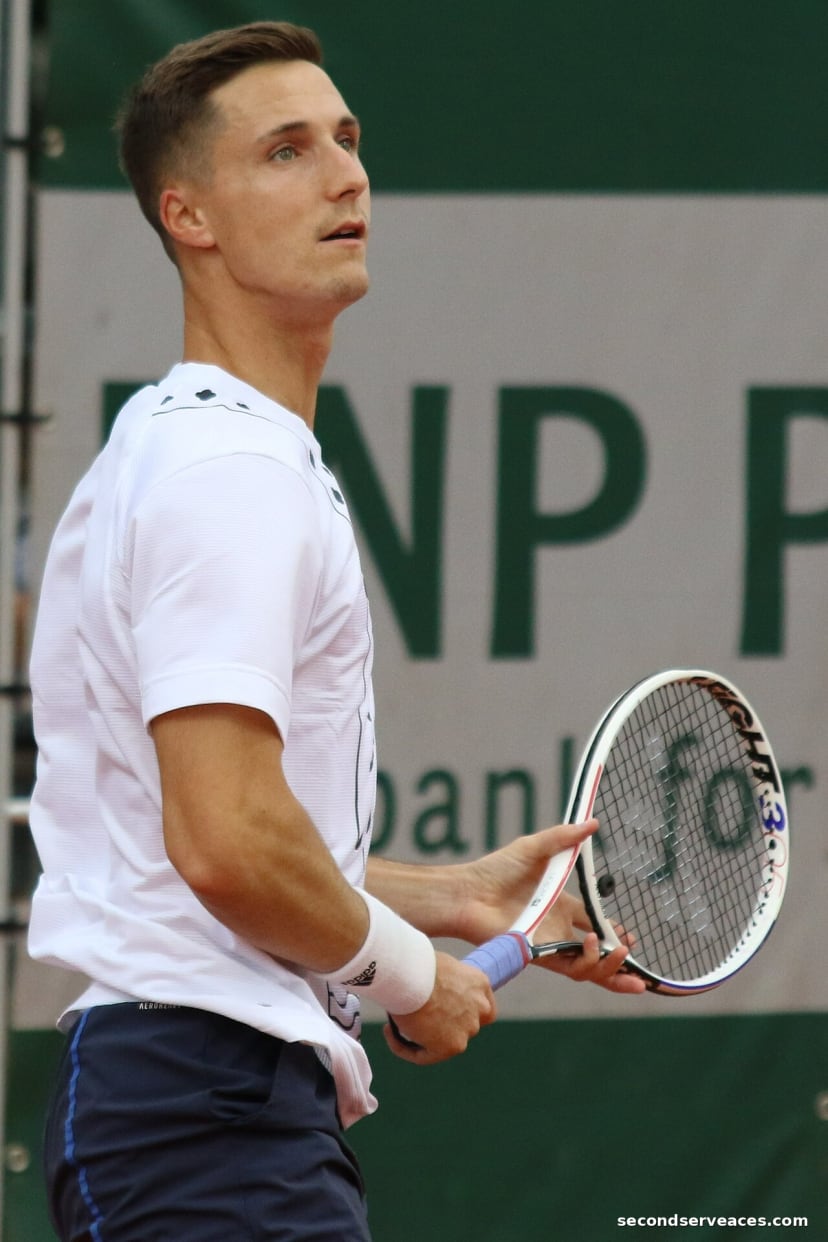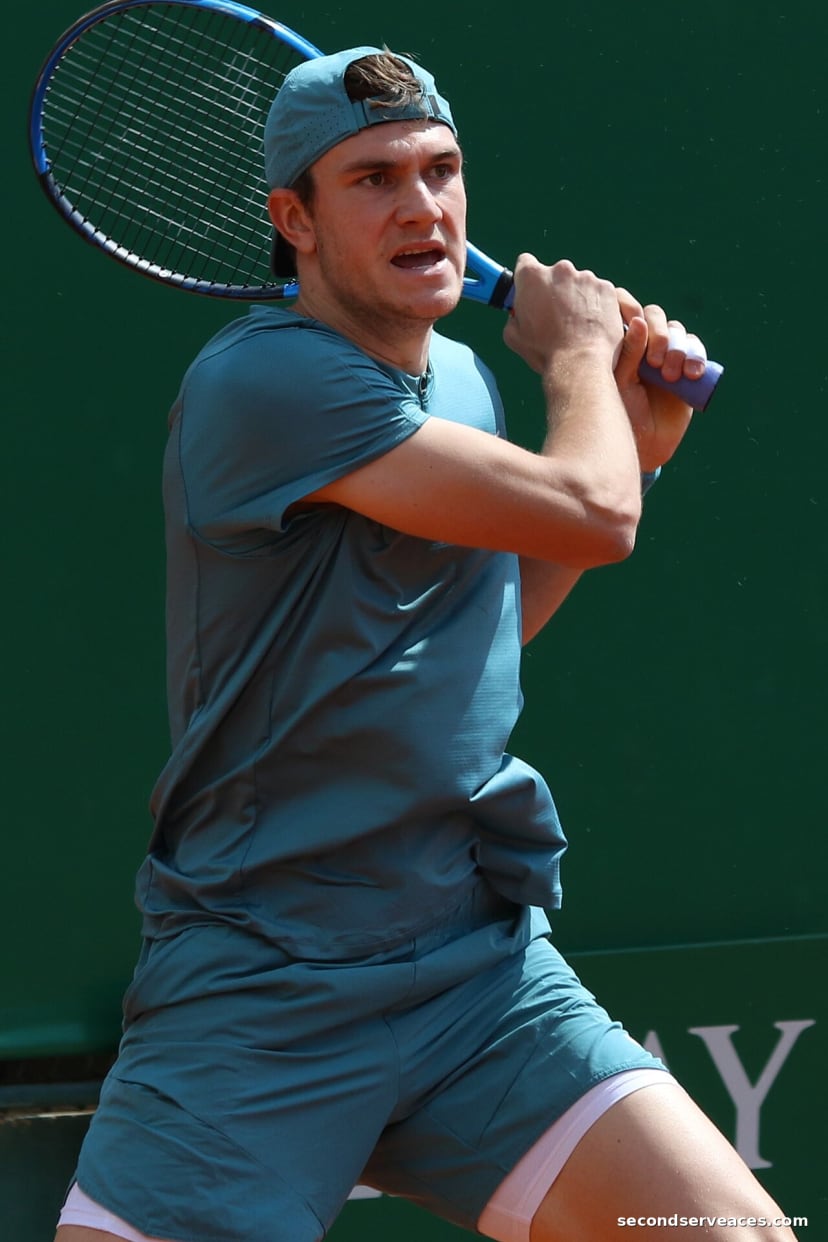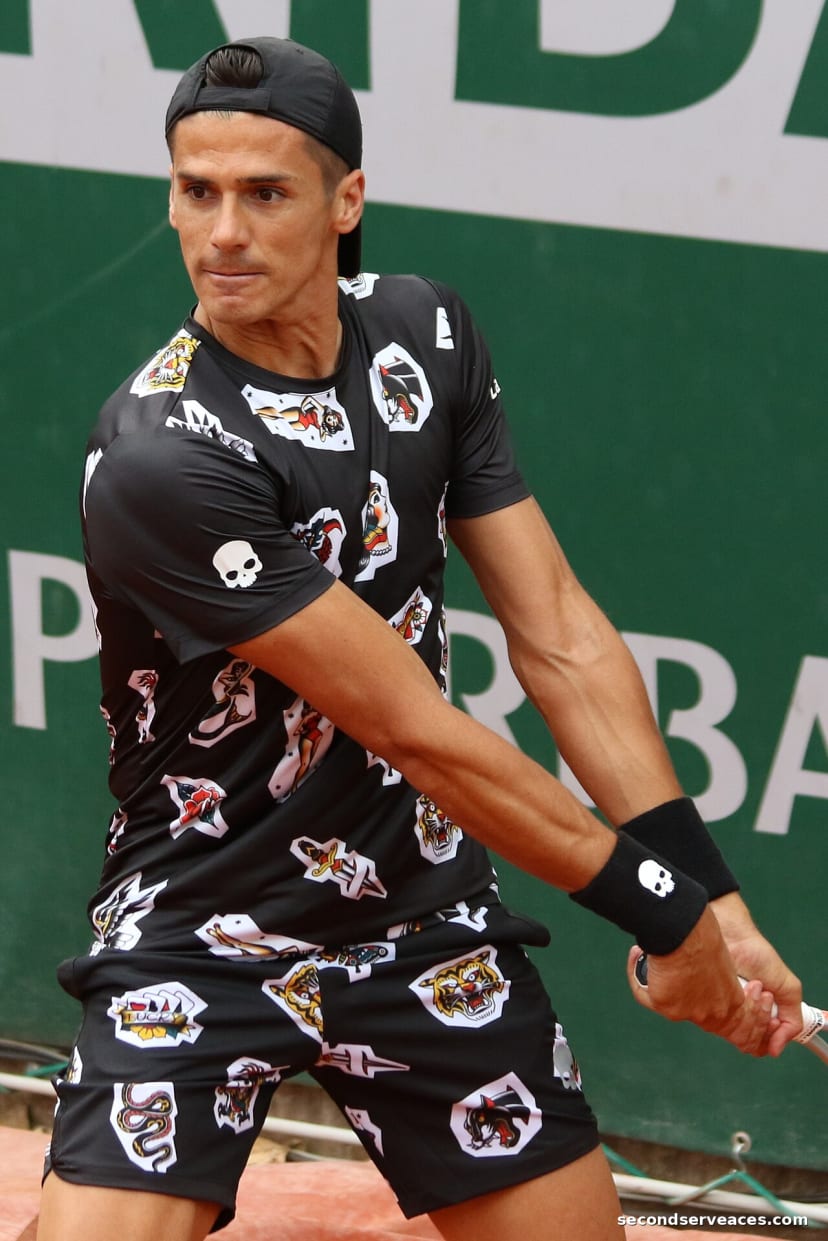
At 41 years old, Stan Wawrinka remains a singular force on the ATP Tour. The three-time Grand Slam champion has confirmed that the 2026 Swiss Indoors Basel, occurring from October 24 to November 1, will serve as the final stage of his professional career. This decision marks the conclusion of a storied journey defined by a backhand that, at its peak, dictated the terms of engagement against the greatest players in the sport.
Listen to the Second Serve Podcast
Get our daily AI-synthesized audio briefings and match reviews on the go.
The Tactical Evolution of a Power Baser
Wawrinka's game has always been built on the foundation of heavy, penetrating groundstrokes. Even as age has demanded a more refined approach to court coverage, his ability to manipulate ball speed remains elite. We saw this reality reflected in his recent qualifying victory at the Italian Open, where he overcame Stefano Travaglia in a hard-fought three-set match, 4-6, 7-6, 6-1. The ability to flip the match momentum after dropping the opening set demonstrates the kind of tactical discipline that has defined his three decades on tour.
His performance against Travaglia served as a reminder of his capacity to manufacture winners from the baseline. By tightening his service patterns in the second and third sets, Wawrinka mitigated the risk of short, put-away balls that often plague veteran players on slower surfaces. His transition from defensive baseline play to offensive aggression in the deciding set—where he conceded only one game—highlighted that his competitive instincts remain sharp.
For those tracking his progress on the ATP rankings, this win in Rome was more than just a victory; it was a testament to his continued tactical relevance. While the physical demands of the tour are unforgiving, Wawrinka’s choice to hang up his racket at the 55th edition of the Swiss Indoors Basel provides a poetic final act in front of his home crowd.
Reflecting on the Closing Ceremonies
The transition into retirement will be marked with a formal ceremony on Monday, October 26, 2026, at 18:00 local time. Such moments in tennis often force us to examine the mechanics of a career that relied so heavily on explosive power rather than pure defensive redirection. Wawrinka, whose profile is documented here, has consistently forced his opponents to play on his terms.
Whether he was neutralizing the serve of his contemporaries or driving the ball through the heavy clay of Rome, his tactical signature remained consistent: patience followed by overwhelming force. Watching him navigate the final matches of his career is a study in efficiency. He no longer hunts for the unnecessary highlight-reel winner, preferring instead to utilize the geometry of the court to force errors from opponents who, quite frankly, struggle to replicate his heavy spin.
The Basel faithful will undoubtedly provide a raucous send-off for one of Switzerland's greatest sporting figures. As he steps onto the hard courts one last time, the focus will shift from the pursuit of titles to the appreciation of a career that saw him claim some of the most difficult major championships in the modern era.
Analyze Stan Wawrinka vs. Stefano Travaglia
Predict tactical adjustments, momentum swings, and serve strategy options for this match-up using our AI simulator.
The Aces Tactical Panel
This report was curated and edited by Bhaskar Goel. Tactical analysis and technical insights were provided by our specialized panel of expert correspondents.
Julian Price
Senior Tactical Correspondent
Stuffy, pedantic British academic and historian specializing in match momentum and historical context.
Elena Cruz
Director of Analytical Research
Data scientist specializing in court surface physics and movement patterns.
Bhaskar
The Editor & Fan
Passionate tennis player and site editor bringing everyday amateur insights and relatable fan commentary.
Arthur Vance
Senior Existential Analyst
Deep, eccentric, and DFW-inspired. Models court metaphysics, kinetic beauty, and player psychology.
Leo Sterling
High-Performance Consultant
Hard-nosed ex-trainer from Melbourne with a no-nonsense view on tour fitness.