Navigating the Physicality of the Rome Clay
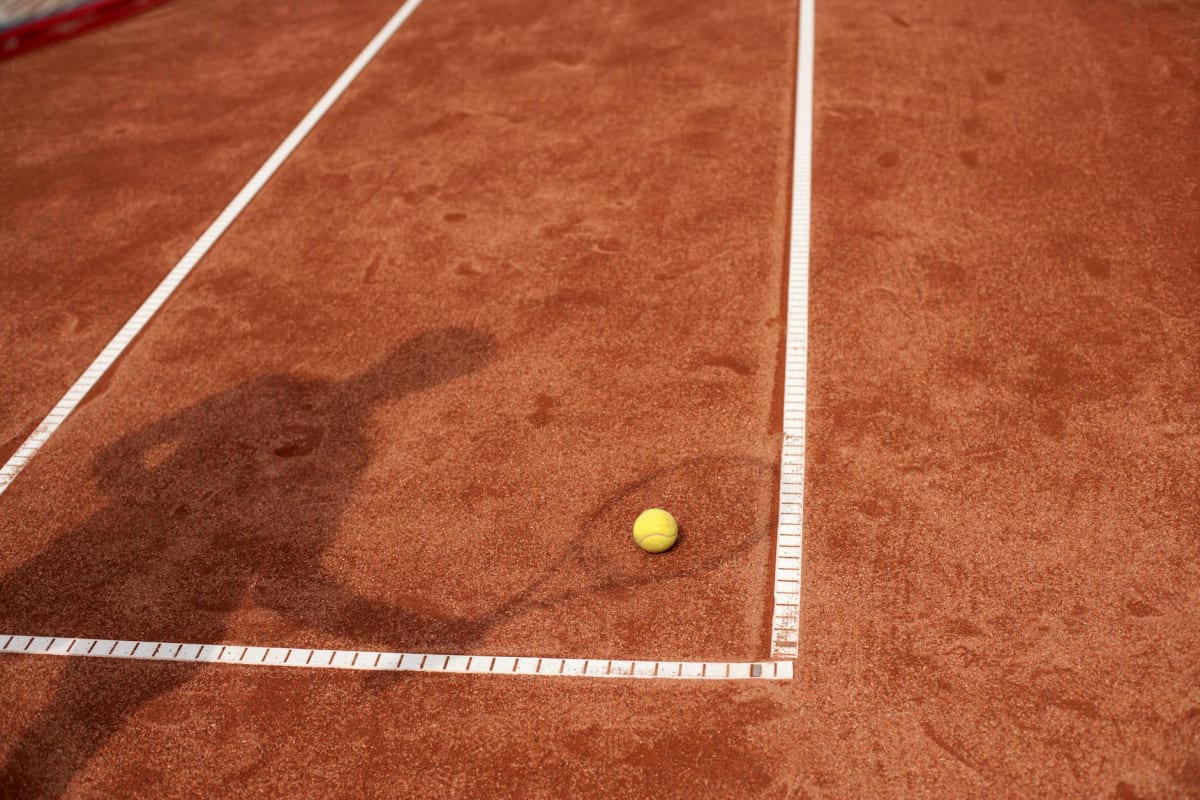
The Italian Open demands a specific brand of tennis: heavy, high-bouncing, and physically taxing. For Emma Raducanu, who has been sidelined since the Indian Wells tournament in early March due to a right-hand injury, this return to the WTA Tour is as much about mechanical trust as it is about competitive output. The transition from the faster, abrasive surfaces of early spring to the sliding-heavy environment of Rome requires a recalibration of the kinetic chain, especially for a player managing a recent upper-extremity setback.
Listen to the Second Serve Podcast
Get our daily AI-synthesized audio briefings and match reviews on the go.
Seeded 27th, Raducanu enters the draw with the tactical cushion of a first-round bye. This respite is vital. It allows for a gradual acclimation to the court speed and the specific demands of hitting through the red clay, where the margin for error on the backhand wing—often tested by the heavy topspin of current specialists—is razor-thin.
Historically, Raducanu has found success at this venue, peaking with a fourth-round appearance. Yet, the road back to that level of depth requires navigating a bracket laden with elite baseline grinders. The mental friction of competitive reentry cannot be understated, particularly when the opening phase of a WTA 1000 event forces immediate intensity against top-tier resistance.
The Shadow of the Defending Champion
The Italian Open field is anchored by Jasmine Paolini, the defending champion who turned the 2025 final into a showcase of tactical agility by downing Coco Gauff. Paolini’s ability to defend the baseline while utilizing short-angle cross-court shots creates a profile that is incredibly difficult to counter on the Roman surface.
For players like Raducanu, Gauff, and the rising contingent including Mirra Andreeva, the standard set by the Italian is clear. The match momentum in these top-tier events is dictated by one's ability to hold the center of the court. When Gauff or Paolini dictate the point, the game is no longer about raw power; it is about the geometry of the court and the patience to endure extended rallies.
Raducanu’s ability to neutralize that pressure, especially after a two-month hiatus, will be the central theme of her week. If she can deploy the down-the-line aggression that defines her best play, she may find the space to shorten points. However, the clay requires a different patience—one that prioritizes structural integrity over the quick finish.
The Tactical Geometry of the Draw
The draw itself presents a fascinating tableau. With the potential for early-round clashes against the likes of Gauff or Paolini, the tournament structure offers no easy path to the second week. Raducanu must find her rhythm against players who have spent the last six weeks sharpening their movement on the dirt.
Tactically, the serve-return dynamic on clay is where matches are won or lost. The importance of the second serve—often a liability on the surface—becomes the primary focal point for coaching teams. In Rome, where the surface kicks the ball high toward the shoulder, the returner has the upper hand if they can step inside the baseline early.
Observers will be looking to see if Raducanu has altered her court positioning to mitigate the stress on her hand. Does she step in to take the ball on the rise, or does she retreat, allowing the surface to do the heavy lifting? The answer to that will dictate her viability against the defensive stalwarts like Elise Mertens or the aggressive intent of Marta Kostyuk.
The Future of the WTA 1000 Hierarchy
As the tournament progresses, the attention will naturally shift toward the next generation, with talents like Solana Sierra, Iva Jovic, and Maya Joint watching from the wings. The WTA rankings reflect a sport in constant flux, where a high-profile return like Raducanu's serves as a barometer for the current depth of the tour.
Rome remains the ultimate test of preparation. Following the hiatus, Raducanu’s performance here will signal whether she can re-integrate into the top-tier competition cycle immediately or if a period of attrition is required. The challenge is immense, but the tactical requirements are well-understood by her camp.
Ultimately, Rome is about winning the battle of attrition. Whether she faces Naomi Osaka or another powerhouse early on, the goal remains the same: reclaim the rhythm and maintain the baseline integrity necessary to survive the Roman red dirt.
What Coco Gauff Plays With
Head Boom MP 2024
Head Lynx Tour 1.25
Analyze Emma Raducanu vs. Jasmine Paolini
Predict tactical adjustments, momentum swings, and serve strategy options for this match-up using our AI simulator.
The Aces Tactical Panel
This report was curated and edited by Bhaskar Goel. Tactical analysis and technical insights were provided by our specialized panel of expert correspondents.
Julian Price
Senior Tactical Correspondent
Stuffy, pedantic British academic and historian specializing in match momentum and historical context.
Elena Cruz
Director of Analytical Research
Data scientist specializing in court surface physics and movement patterns.
Bhaskar
The Editor & Fan
Passionate tennis player and site editor bringing everyday amateur insights and relatable fan commentary.
Arthur Vance
Senior Existential Analyst
Deep, eccentric, and DFW-inspired. Models court metaphysics, kinetic beauty, and player psychology.
Leo Sterling
High-Performance Consultant
Hard-nosed ex-trainer from Melbourne with a no-nonsense view on tour fitness.