
When Serena Williams walked off Arthur Ashe Stadium in 2022, the tennis world assumed the final chapter of her legendary singles career was written. At 44 years old, the seven-time singles champion is defying standard biological timelines to accept the final singles wildcard for the upcoming tournament at Wimbledon. This decision injects an immediate dose of high-octane intrigue into the grass-court season, testing whether elite muscle memory can overcome a multi-year competitive hiatus.
Listen to the Second Serve Podcast
Get our daily AI-synthesized audio briefings and match reviews on the go.
The 2022 US Open Farewell and the Unresolved Itch
From a technical standpoint, returning to singles competition after stepping away at the 2022 US Open is a monumental physical challenge. The sheer kinetic load of baseline rallies on grass requires explosive lateral movement and exceptional low-to-high swing paths to combat the low skid of the ball. For a player who has not played a professional singles match in nearly four years, the primary hurdle will not be her legendary serve, but her recovery times between high-intensity points.
The decision to award Williams this wildcard represents a massive gamble for tournament organizers, but one that offers unparalleled value in terms of fan engagement and star power. Skeptics will question whether a wildcard of this magnitude is a sound investment, but Williams' historical pedigree on these lawns means her baseline level remains a threat to any seeded player in the draw. It is a calculated risk, but on grass, the margins are thin enough for raw power to bypass long-term match fitness.
Ultimately, her return is a testament to the durability of elite athletic machinery. While the modern baseline game favors younger, highly active competitors, grass remains the one surface where short, dominant service games can mask physical deficits. Williams is betting that her unmatched spot-serving can protect her from being dragged into punishing, multi-shot baseline exchanges.
A Grass-Court Hiatus Dating Back to 2019
To understand the magnitude of this comeback, one must look at the hard data behind Williams' recent singles record on the lawns of SW19. She has not won a singles match at Wimbledon since her run to the final in 2019. Since then, her campaigns have been cut short by injuries and early exits, highlighting how the slick, unforgiving surface of grass can punish even the slightest mechanical instability.
Grass-court tennis is notoriously brutal on the joints, requiring deep knee bends and constant micro-adjustments to cope with uneven bounces. For a veteran athlete, the lack of competitive match play means her footwork patterns will be tested under extreme pressure from the very first round. Without the benefit of warm-up singles events, Williams will have to rely on her superb spatial awareness and clean ball-striking to keep rallies short and efficient.
For Williams, the key to survival in the early rounds will be keeping her first-serve percentage above 65% to avoid protracted baseline duels. If she can secure quick holds, she minimizes the wear and tear on her body, maximizing her efficiency on every service game. On grass, protecting the serve is the ultimate cost-saving measure for an aging athlete's physical reserve.
The Warm-Up Trials in Berlin and Queen's Club
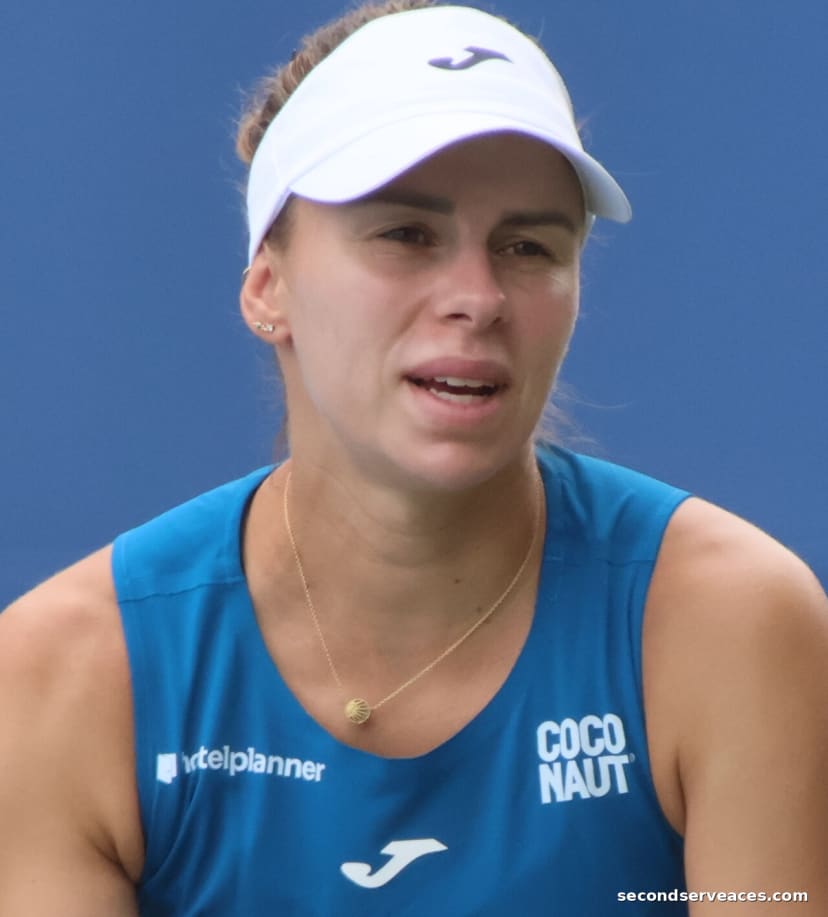
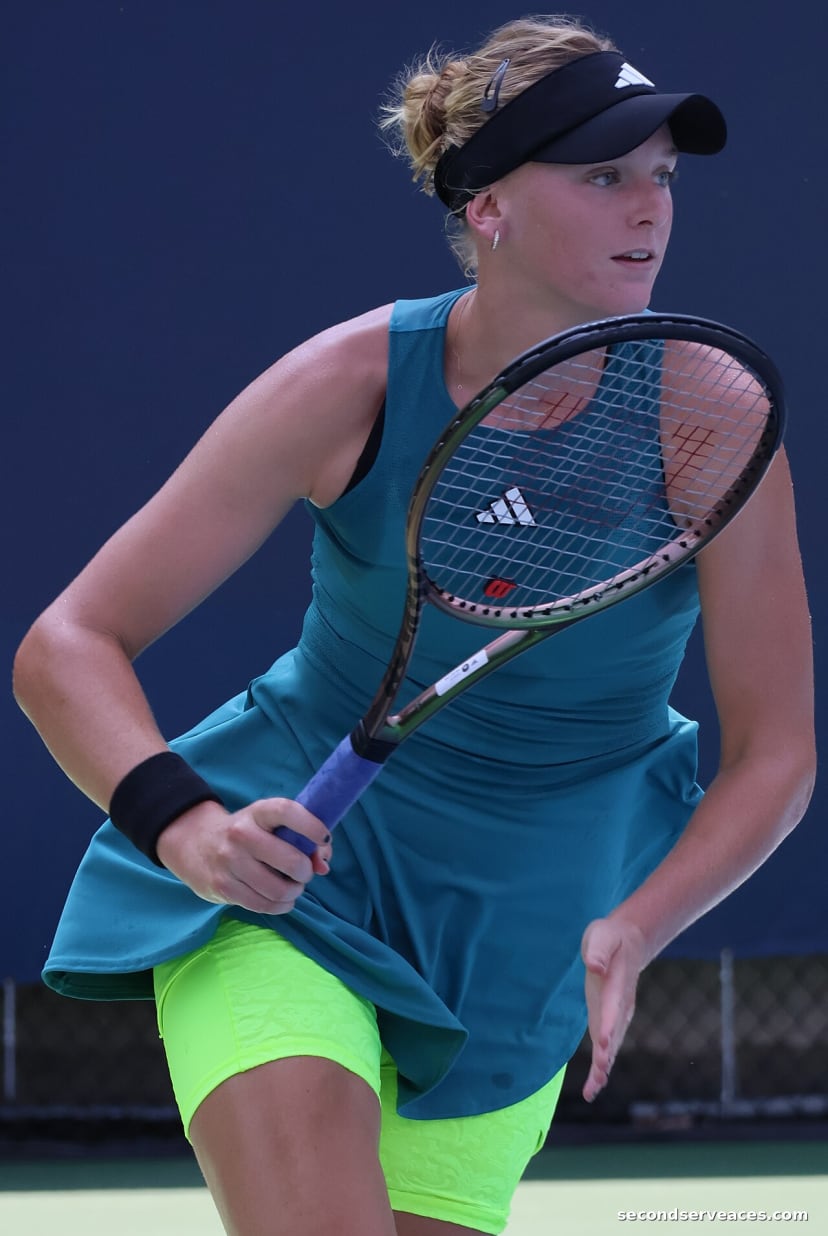
While Williams has avoided singles competition, she has not been entirely absent from the court. Her recent competitive outings have focused on doubles play, serving as a tactical testing ground for her reflexes and stroke mechanics. She recently competed in doubles matches alongside rising star Victoria Mboko at the Queen's Club, followed by a high-profile pairing with Karolina Muchova in Berlin.
These doubles appearances were critical for calibrating her return of serve and net play. Competing against active players on the WTA Tour allowed Williams to adjust her string bed tension and racket timing to the rapid pace of grass-court exchanges. While doubles only covers half the court, the quick reflex volleys and overheads she executed in Berlin and London provided essential data points on her physical readiness.
Working with different partners also allowed Williams to test her lateral movement without the exhausting physical coverage required in singles. These short, sharp competitive bursts were designed to rebuild her match instinct. While they cannot fully replicate the cardiovascular demands of a three-set singles match, they served as a vital bridge to get her comfortable with the speed of the modern game.
Sibling Synergy and the Physical Demands of the Doubles Draw
In addition to her highly anticipated singles campaign, Williams is also entered in the ladies' doubles draw alongside her 46-year-old sister, Venus Williams. This legendary partnership adds another layer of complexity to her tournament schedule, requiring her to manage the physical workload of two separate events. We analyzed the strategic implications of this tandem in Can Williams Sisters' Doubles Synergy Defy Wimbledon Odds?.
Playing doubles with Venus is not just a nostalgic exhibition; it is a highly tactical partnership. Venus' reach at the net and Serena's devastating groundstrokes from the baseline form a complementary system that minimizes physical exertion while maximizing court coverage. However, playing both events means Serena must endure double the court time, putting her physical durability to the ultimate test over the fortnight.
From a gear and endurance perspective, managing this dual-draw campaign will require meticulous recovery protocols. At 44 and 46 years old respectively, the Williams sisters represent the most experienced duo in the draw, but also the most vulnerable to cumulative fatigue. If Serena can navigate the early rounds of both draws, her return will go down as one of the most audacious physical feats in modern tennis history.
Analyze Serena Williams vs. Venus Williams
Predict tactical adjustments, momentum swings, and serve strategy options for this match-up using our AI simulator.
The Aces Tactical Panel
This report was curated and edited by Bhaskar Goel. Tactical analysis and technical insights were provided by our specialized panel of expert correspondents.
Julian Price
Senior Tactical Correspondent
Stuffy, pedantic British academic and historian specializing in match momentum and historical context.
Elena Cruz
Director of Analytical Research
Data scientist specializing in court surface physics and movement patterns.
Bhaskar
The Editor & Fan
Passionate tennis player and site editor bringing everyday amateur insights and relatable fan commentary.
Arthur Vance
Senior Existential Analyst
Deep, eccentric, and DFW-inspired. Models court metaphysics, kinetic beauty, and player psychology.
Leo Sterling
High-Performance Consultant
Hard-nosed ex-trainer from Melbourne with a no-nonsense view on tour fitness.
Related Reports
Quick Answers
When did Serena Williams last win a singles match at Wimbledon?+
Serena Williams last won a singles match at Wimbledon during her run to the final in 2019.
Who is Serena Williams partnering with in the doubles draw at Wimbledon?+
Serena Williams is entering the ladies' doubles draw alongside her 46-year-old sister, Venus Williams.
Which players did Serena Williams play doubles with in her warm-up events?+
Williams competed in doubles matches with Victoria Mboko at the Queen's Club and Karolina Muchova in Berlin.