The Geometry of the Baseline
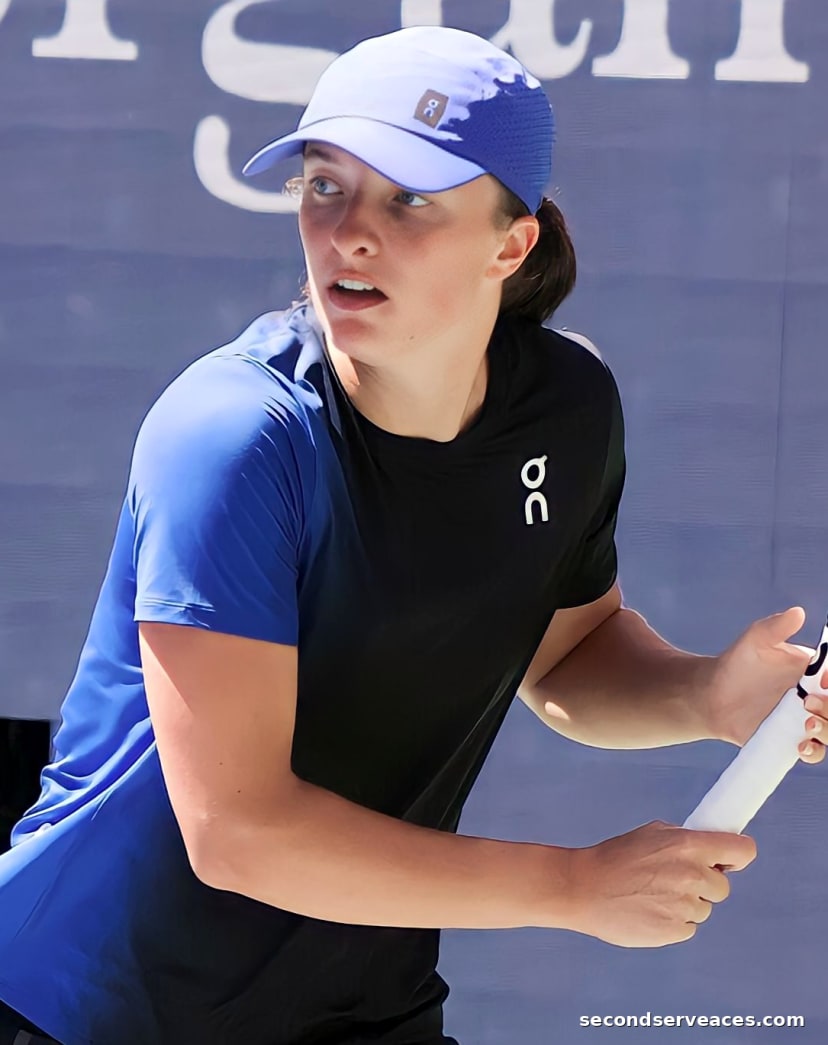
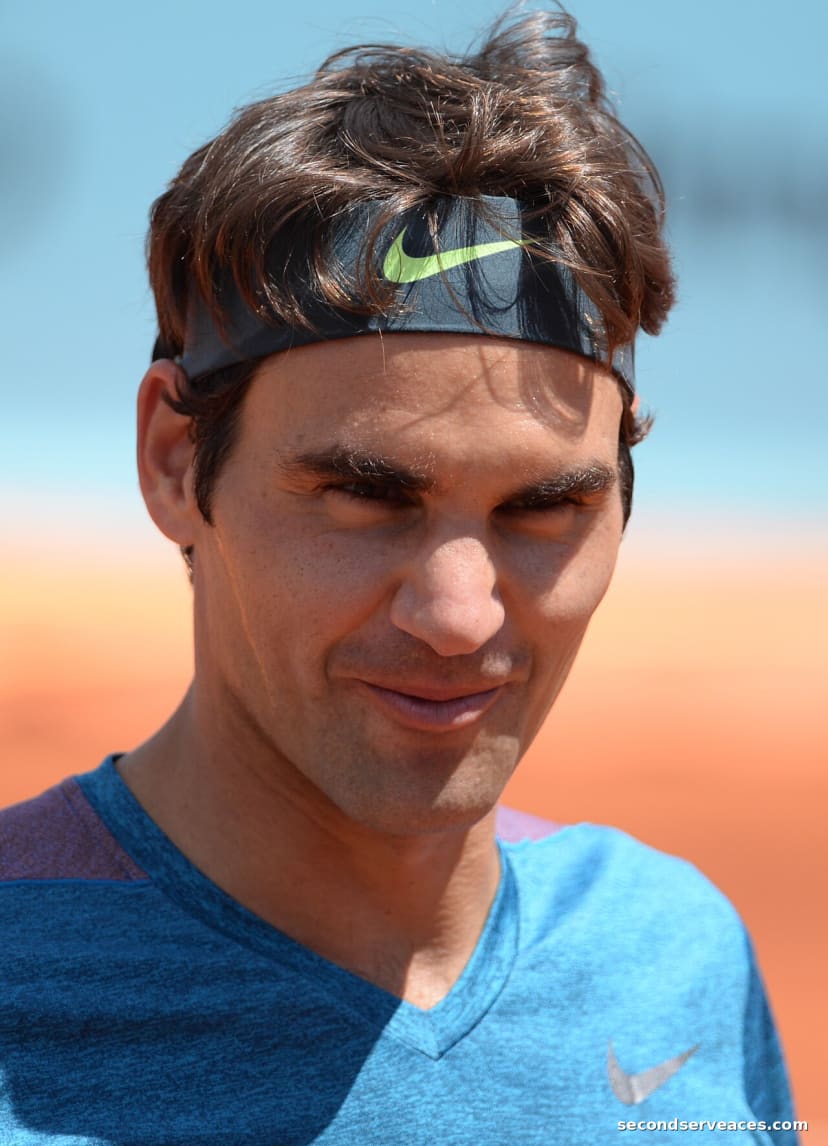
There is a specific, tactile friction that defines the relationship between a tennis ball and European red clay. It is a surface that demands not just power, but a particular kind of patience—a philosophical surrender to the bounce. Recently, at the Rafa Nadal Academy, this reality was captured in high-definition stillness: Rafael Nadal, the living embodiment of clay-court gravity, was seen trading groundstrokes with Iga Swiatek.
Listen to the Second Serve Podcast
Get our daily AI-synthesized audio briefings and match reviews on the go.
This intersection of trajectories, occurring as Swiatek navigates an uneven start to the 2026 season, feels less like a simple practice session and more like a recalibration of intent. Following the news that Swiatek has brought Francisco Roig—a long-time architect of Nadal’s tactical framework—into her inner circle, the footage from the Academy carries a heavy, structural weight.
The Tactical Breakdown
To understand the utility of Francisco Roig in the Swiatek camp, one must deconstruct the mechanics of the modern clay-court game. Swiatek has long thrived on the early timing of her backhand and the whip-like violence of her forehand, but the consistency required for 2026 demands a deeper refinement of her transition game.
- Rally Tolerance and Depth: Roig’s history with Nadal is rooted in the optimization of the heavy topspin ball—using the arc to push opponents behind the baseline, creating the short-ball opportunity that defines clay-court point construction.
- Surface-Specific Geometry: On clay, court coverage is not merely about lateral speed; it is about the ability to slide into the corners while maintaining a stable strike zone. Swiatek’s transition to this coaching dynamic suggests a focus on increasing her tactical options when a point stalls in neutral.
- Point Orchestration: Roig’s influence often centers on the 'plus-one' ball—the shot immediately following the serve—and maximizing the efficiency of the transition to the net, a prerequisite for dominating the longer rallies typical of the spring clay season.
The Bigger Picture
The history of the sport is littered with the ghosts of tactical shifts that worked too well. For Swiatek, who has already secured four titles in Paris, the challenge is no longer about learning the surface; it is about evolution. The 2026 season represents a pivot point where the field has tightened, and the margins for error have vanished.
By integrating a voice as steeped in the physics of heavy-topspin clay tennis as Francisco Roig, Swiatek is signaling an acknowledgement that her current rhythm, while effective, requires a more clinical layer of technical oversight. Watching her exchange rallies with Nadal on his home turf is a visual metaphor for this pursuit: a search for that impossible, singular point where aggressive intention meets the immovable resistance of the dirt.
What Iga Swiatek Plays With
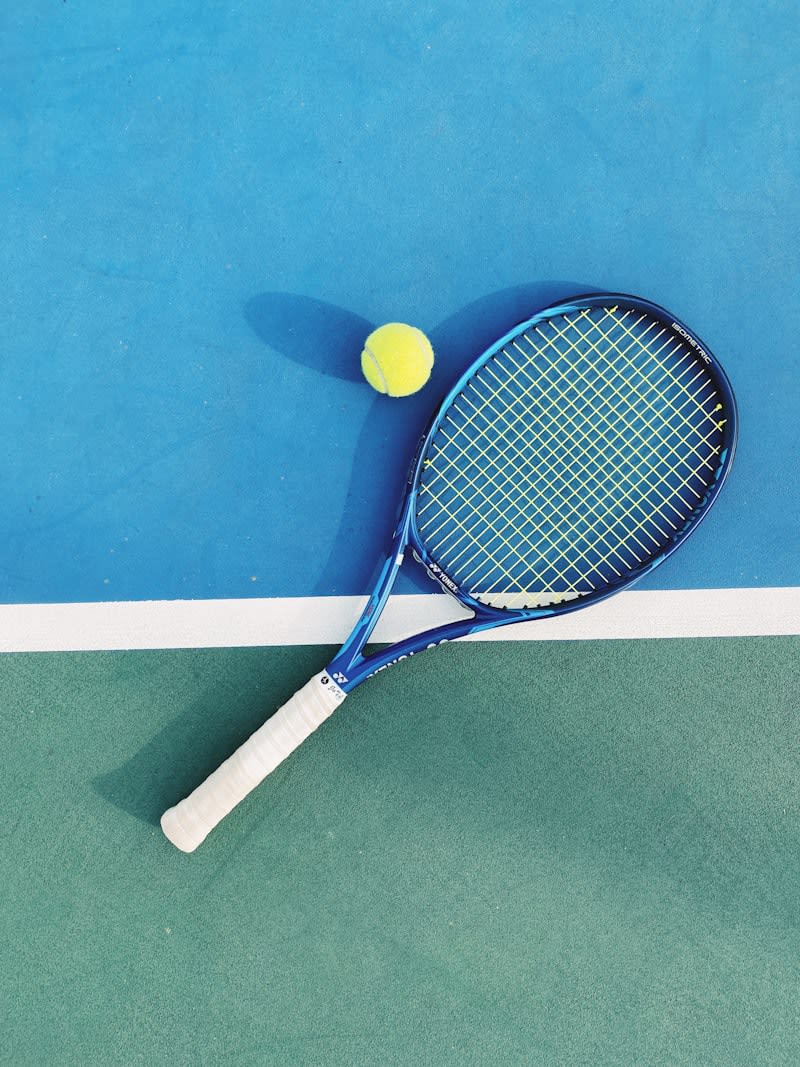
Tecnifibre Tempo 298 Iga
Tecnifibre Razor Code 1.25
Tecnifibre Pro Contact Overgrip
Analyze Rafael Nadal vs. Iga Swiatek
Predict tactical adjustments, momentum swings, and serve strategy options for this match-up using our AI simulator.
The Aces Tactical Panel
This report was curated and edited by Bhaskar Goel. Tactical analysis and technical insights were provided by our specialized panel of expert correspondents.
Julian Price
Senior Tactical Correspondent
Stuffy, pedantic British academic and historian specializing in match momentum and historical context.
Elena Cruz
Director of Analytical Research
Data scientist specializing in court surface physics and movement patterns.
Bhaskar
The Editor & Fan
Passionate tennis player and site editor bringing everyday amateur insights and relatable fan commentary.
Arthur Vance
Senior Existential Analyst
Deep, eccentric, and DFW-inspired. Models court metaphysics, kinetic beauty, and player psychology.
Leo Sterling
High-Performance Consultant
Hard-nosed ex-trainer from Melbourne with a no-nonsense view on tour fitness.