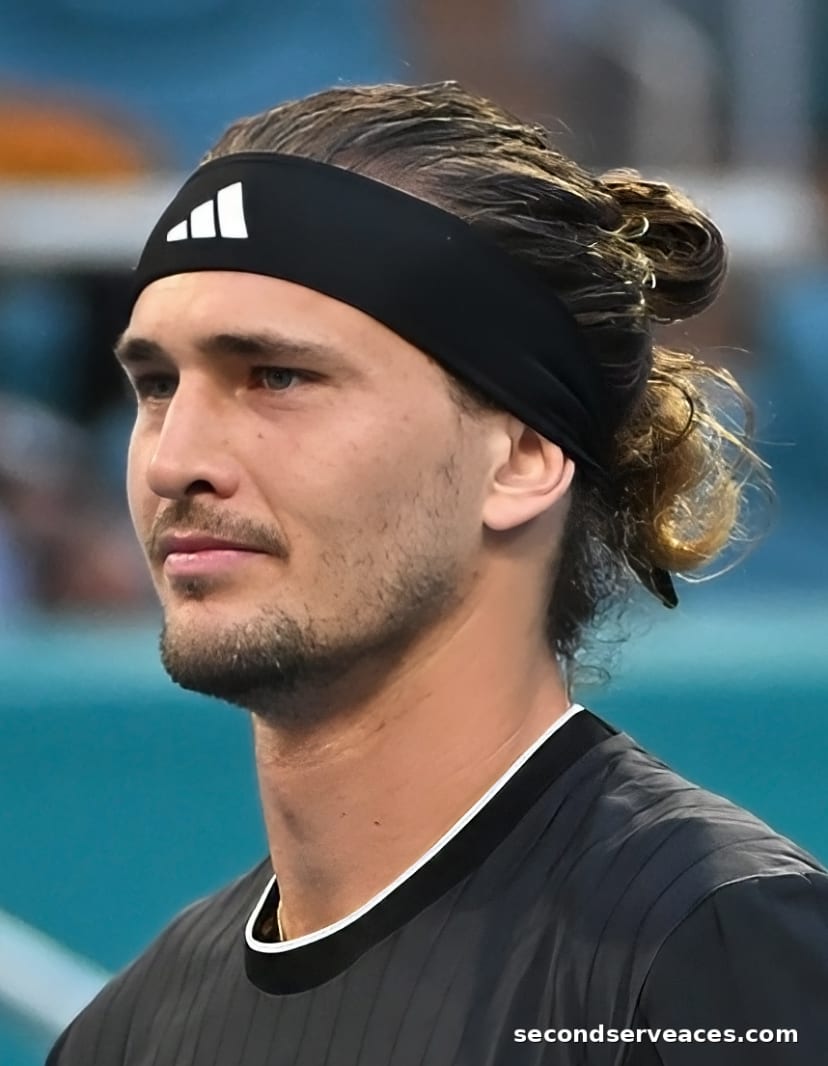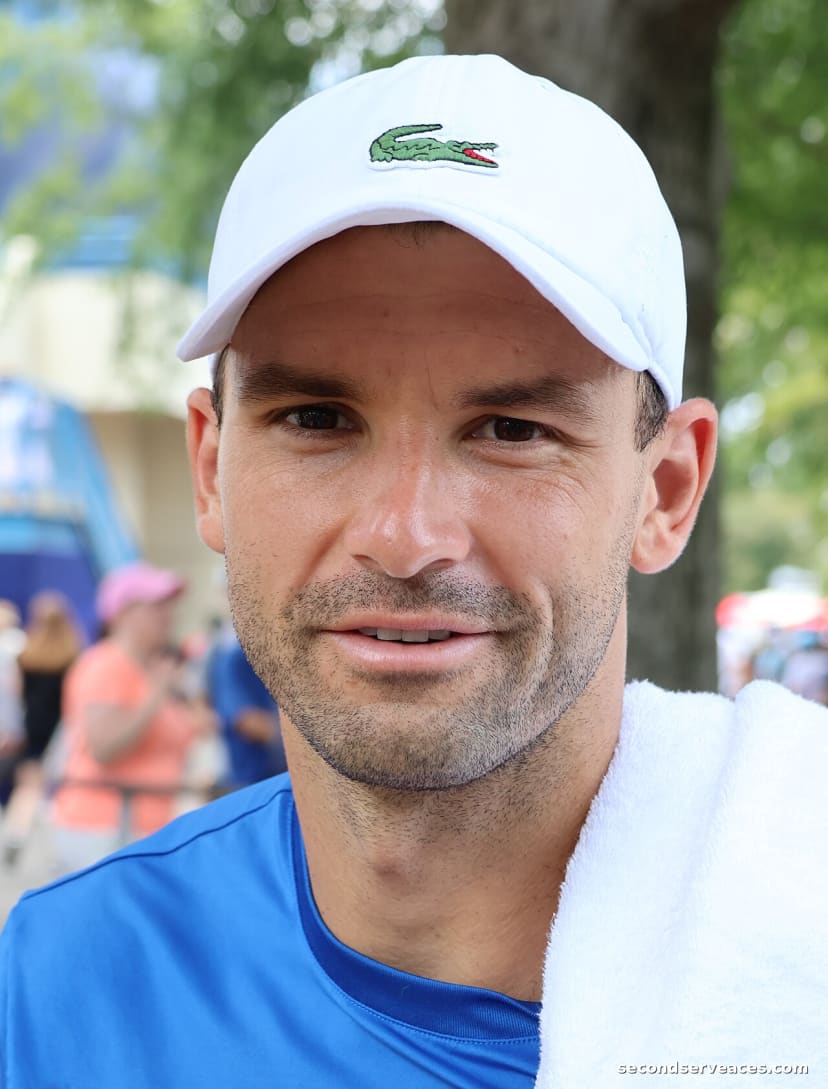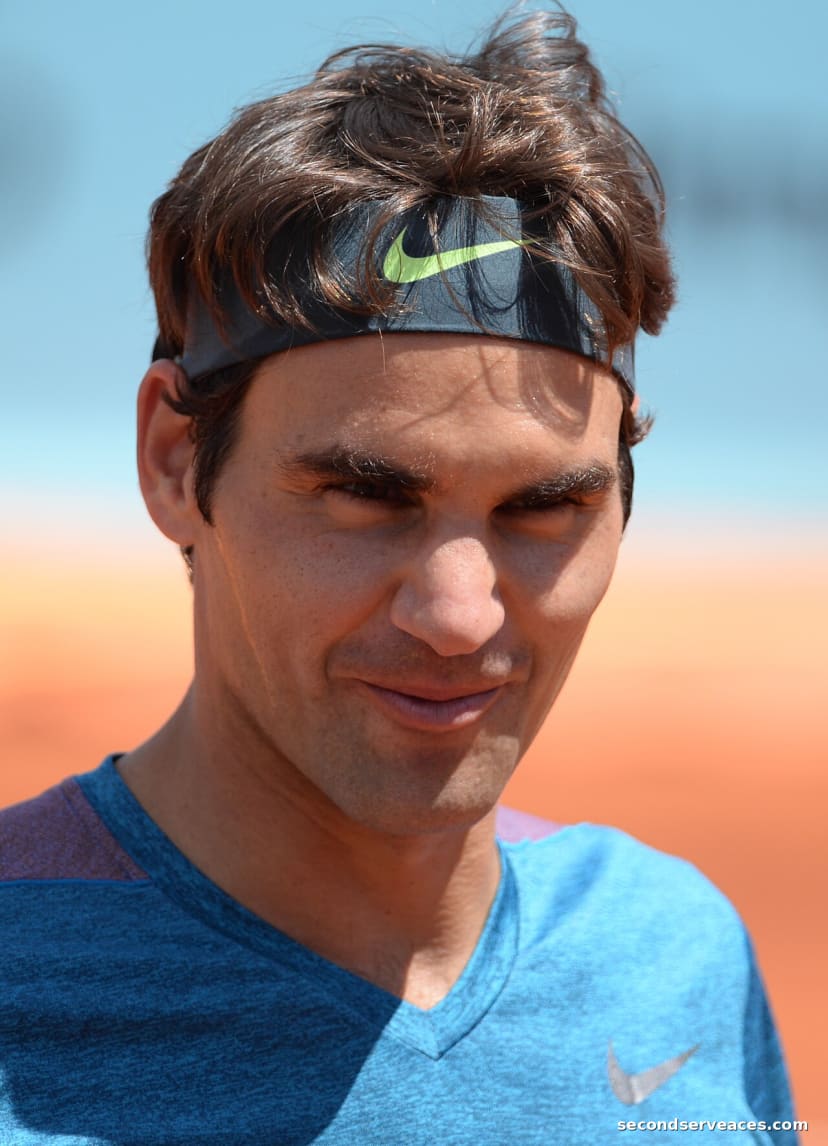
Novak Djokovic has officially withdrawn from the 2026 Monte-Carlo Masters, removing the ultimate baseline problem-solver from the year’s first premier clay-court event. The last time the Serbian skipped this particular stop on the calendar was a decade and a half ago. Back in 2011, sidelined by a knee injury, his absence dramatically shifted the draw’s geometry, paving the way for a jarring quarter-final where Jurgen Melzer ousted Roger Federer 6-4, 6-4. As the tour descends on the Principality this week, the same opportunistic air breathes through the locker room.
Listen to the Second Serve Podcast
Get our daily AI-synthesized audio briefings and match reviews on the go.
Stripping the top of the draw of its most experienced tactician completely alters the match momentum for the remaining contenders. In his wake, the path clears for a new generation eager to monopolize the European red dirt.
By the Numbers: The 2026 Landscape
- Rare Absence: This marks only the second time in Djokovic’s storied career that he will miss the Monte-Carlo event.
- Defending the Crown: Carlos Alcaraz arrives not just as the defending champion, but as the prohibitive top seed.
- Sinner's Return: After missing the previous year's iteration due to suspension, Jannik Sinner enters the fray carrying immense hard-court momentum, fresh off a title run at Indian Wells.
- Historical Parallel: The 2011 tournament—Djokovic's only prior absence—featured deep runs from baseline grinders like David Ferrer, capitalizing on the disrupted elite hierarchy.
The Tactical Breakdown
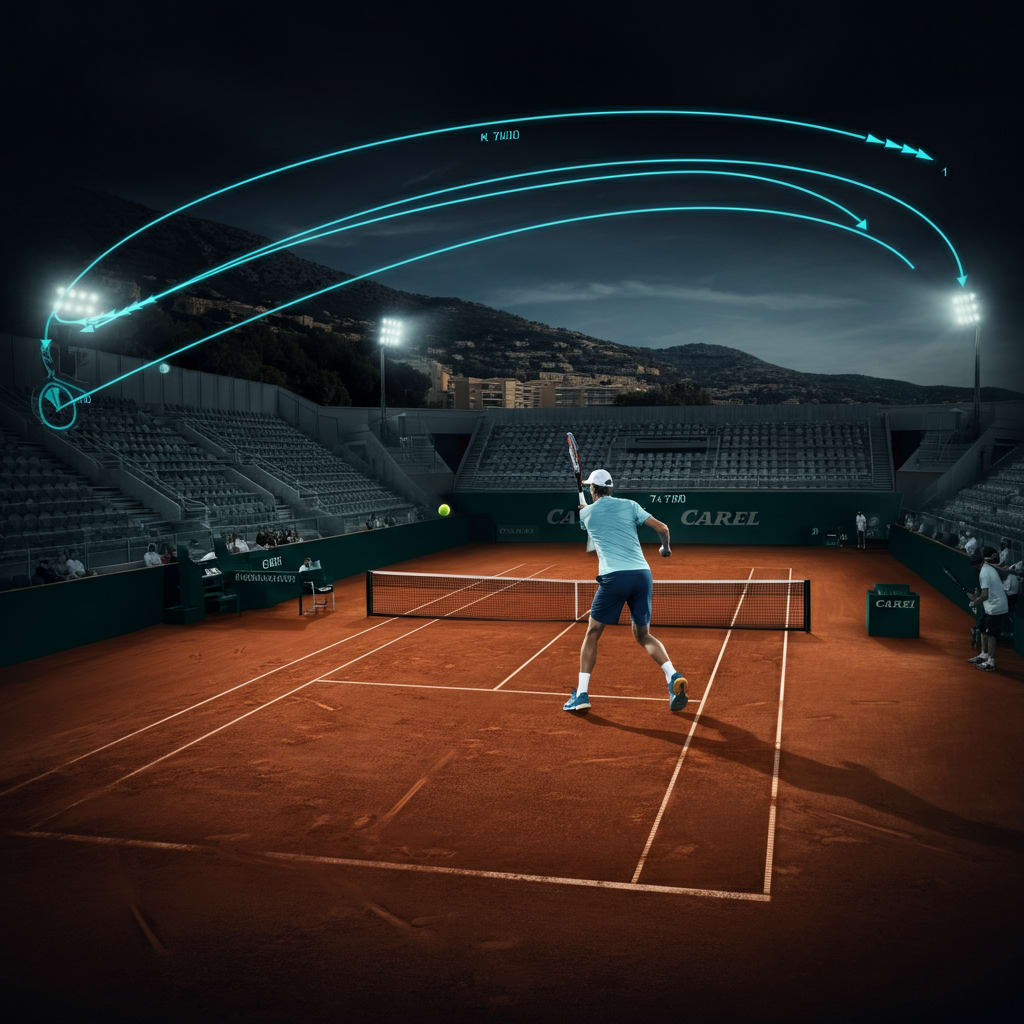
Without Djokovic’s elasticity defending the corners, the tactical blueprint to win this tournament shifts heavily toward aggressive, first-strike tennis. Defending champion Carlos Alcaraz thrives under these exact conditions. The Spaniard’s clay-court mechanics are engineered around immense, looping topspin that pushes opponents deep behind the baseline. By utilizing a high-kicking serve out wide on the ad court, Alcaraz routinely opens up the entire geometry of the court, allowing him to step in and flatten out his forehand or feather a drop shot with the opponent stranded in the lateral alleys.
Conversely, Jannik Sinner presents a fascinating contrast on the red dirt. Translating his recent Indian Wells triumph to clay requires a specific recalibration of his footwork. Sinner’s game is built on sheer ball speed and taking the ball exceptionally early. While clay naturally blunts pace, Sinner’s ability to hug the baseline robs his opponents of recovery time. The challenge for the Italian will be managing his rally tolerance. On a hard court, his linear groundstrokes pierce through the defensive shields of his peers. On clay, he must be willing to grind through 15-shot exchanges, constructing points patiently until he forces a short ball. If Sinner can maintain his aggressive court positioning without overhitting when forced to generate his own pace, he instantly becomes a nightmare matchup on the slow surface.
Expect players across the draw to adjust their target zones. Without Djokovic’s unparalleled return of serve neutralizing the server's plus-one advantage, we will likely see an uptick in net approach frequency. Competitors like Alexander Zverev and Gael Monfils know that holding serve just became marginally less taxing, opening the door for riskier, high-reward serving patterns.
The Bigger Picture
Zooming out from the immediate bracket, Djokovic’s decision reflects the ruthless calculus required for veteran survival on the ATP Tour. Peaking for Roland Garros remains the ultimate objective, and grinding through early-season clay-court marathons often yields diminishing returns for a player heavily scrutinizing his physical capital.
For Alcaraz, the pressure is distinctly different. Returning as the defending champion demands an elevated level of mental fortitude. He is no longer the hunter on this surface; he is the established benchmark. Every opponent stepping onto Court Rainier III will swing freely, knowing all expectation rests on the top seed's shoulders.
Perhaps the most compelling narrative, however, belongs to Jannik Sinner. His absence from the 2025 event due to suspension created an unexpected void in his clay-court development. Arriving now with an Indian Wells trophy in his bag, Sinner has an opportunity to fundamentally rewrite his relationship with the dirt. Navigating the unique sliding footwork and higher bounce of Monte-Carlo will test whether his hard-court supremacy can truly seamlessly translate across surfaces. The red clay is unforgiving, but with the draw wide open, the stage is set for a profound shift in the tour's hierarchy.
What Novak Djokovic Plays With
Head Speed Pro
Luxilon ALU Power 125
Head Prime Tour (12-Pack)
Asics Court FF 3 Novak
Analyze Novak Djokovic vs. Rafael Nadal
Predict tactical adjustments, momentum swings, and serve strategy options for this match-up using our AI simulator.
The Aces Tactical Panel
This report was curated and edited by Bhaskar Goel. Tactical analysis and technical insights were provided by our specialized panel of expert correspondents.
Julian Price
Senior Tactical Correspondent
Stuffy, pedantic British academic and historian specializing in match momentum and historical context.
Elena Cruz
Director of Analytical Research
Data scientist specializing in court surface physics and movement patterns.
Bhaskar
The Editor & Fan
Passionate tennis player and site editor bringing everyday amateur insights and relatable fan commentary.
Arthur Vance
Senior Existential Analyst
Deep, eccentric, and DFW-inspired. Models court metaphysics, kinetic beauty, and player psychology.
Leo Sterling
High-Performance Consultant
Hard-nosed ex-trainer from Melbourne with a no-nonsense view on tour fitness.