A New Chapter in the Wright County Conference
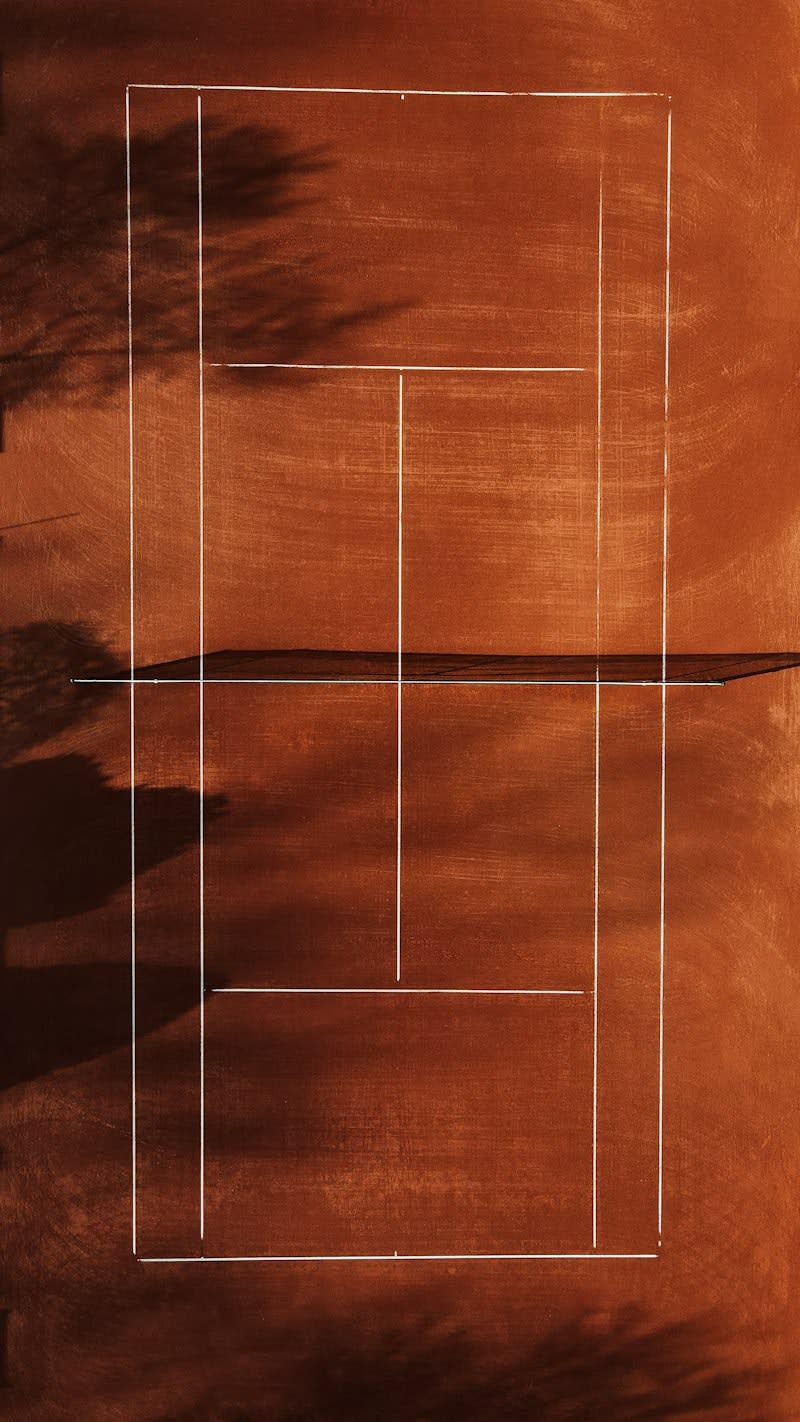
On the seventh of April, 2026, the quiet geometry of the tennis court became a crucible for the Litchfield Dragons. Opening their season against the Delano Tigers, the Dragons navigated the high-pressure environment of the Wright County Conference to secure a decisive 6-1 victory. In the ethereal, stuttering rhythm of early-season match play, where the tension between human nervous systems and the erratic physics of a pressurized sphere is most palpable, Litchfield’s consistency proved insurmountable.
Listen to the Second Serve Podcast
Get our daily AI-synthesized audio briefings and match reviews on the go.
The Tactical Breakdown
At the highest levels, tennis is a game of marginal gains—a relentless negotiation between rally tolerance and the aggressive exploitation of court geometry. When we examine the specific results, we see a microcosm of these tactical realities:
- The No. 1 Singles Grind: Tommy Wittrock’s victory over Bobby Schleif (3-6, 6-1, 6-4) represents the classic mental recalibration. After dropping the opening set, Wittrock adjusted his service placement, likely opting for wider angles to force Schleif out of his comfort zone, subsequently neutralizing the offensive momentum that had carried the first set.
- The Margin of Error: Max Garbow’s 6-4, 7-5 win over Jaimon Kittock suggests a high level of discipline in cross-court exchanges. By maintaining depth, Garbow forced Kittock into a reactive posture, eventually inducing the unforced errors necessary to close out the match without the intervention of a third-set tiebreak.
- Clutch Performance: The 7-6(7), 7-6(2) result for Andy Wittrock against Zach Quamen serves as a poignant reminder that in tennis, the tiebreak is not merely a segment of play—it is a concentrated distillation of player character. Wittrock’s ability to execute under the duress of 14 combined points in the first set indicates a superior capability to minimize variables and stick to a high-percentage tactical script.
The Bigger Picture
Early-season duals are rarely about definitive rankings; rather, they are existential audits for a program. The Litchfield sweep in doubles play is the most telling narrative thread here. In the professional circuit, particularly in the ATP Tour, the ability to control the net is the hallmark of a team that understands spatial efficiency. By sweeping all doubles matches, the Dragons have established a collaborative foundation that will likely pay dividends as the conference schedule intensifies.
For the Delano Tigers, the challenge now becomes one of psychological recovery. Tennis is a sport that provides no place to hide; every point is an isolated incident of success or failure. The Tigers’ path forward depends on their ability to integrate the lessons from these losses—specifically the narrow margins in the No. 3 singles and the doubles pairings—into a more cohesive tactical unit before their next conference outing.
Essential Matchday Add-Ons
Tournament-tested accessories and high-frequency consumables every competitive player keeps in their bag.
Tourna Grip Original Dry Feel Overgrip (10-Pack)
4.8 ★ (12,000+ reviews)
The gold standard for sweaty hands. Proprietary dry feel absorbs moisture better as play intensifies.
Luxilon ALU Power 125 Silver String Set
4.9 ★ (3,500+ reviews)
Unrivaled control and spin potential used by over 50% of the ATP Top 100 players.
Babolat Custom Damp Vibration Dampener (2-Pack)
4.7 ★ (4,200+ reviews)
Customizable dampening with removable central O-ring for fine-tuning court feedback and sound.
Penn Championship Extra Duty Tennis Balls (4-Can Pack)
4.7 ★ (8,900+ reviews)
Official ball of USTA League Tennis with extra-duty felt designed for abrasive hard courts.
Analyze Tommy Witttrock vs. Bobby Schleif
Predict tactical adjustments, momentum swings, and serve strategy options for this match-up using our AI simulator.
The Aces Tactical Panel
This report was curated and edited by Bhaskar Goel. Tactical analysis and technical insights were provided by our specialized panel of expert correspondents.
Julian Price
Senior Tactical Correspondent
Stuffy, pedantic British academic and historian specializing in match momentum and historical context.
Elena Cruz
Director of Analytical Research
Data scientist specializing in court surface physics and movement patterns.
Bhaskar
The Editor & Fan
Passionate tennis player and site editor bringing everyday amateur insights and relatable fan commentary.
Arthur Vance
Senior Existential Analyst
Deep, eccentric, and DFW-inspired. Models court metaphysics, kinetic beauty, and player psychology.
Leo Sterling
High-Performance Consultant
Hard-nosed ex-trainer from Melbourne with a no-nonsense view on tour fitness.