The physical demands of professional tennis continue to push the world's best athletes to their absolute structural limits. As the modern game relies on extreme swing speeds and explosive footwork, managing joint wear and muscle recovery has become as critical as any tactical strategy. This season, two of the sport's brightest stars have had to navigate significant physical setbacks, highlighting the delicate balance between high-performance output and long-term durability.
Listen to the Second Serve Podcast
Get our daily AI-synthesized audio briefings and match reviews on the go.
Jannik Sinner's Right Knee Rehabilitation and the Targeted Beijing Return
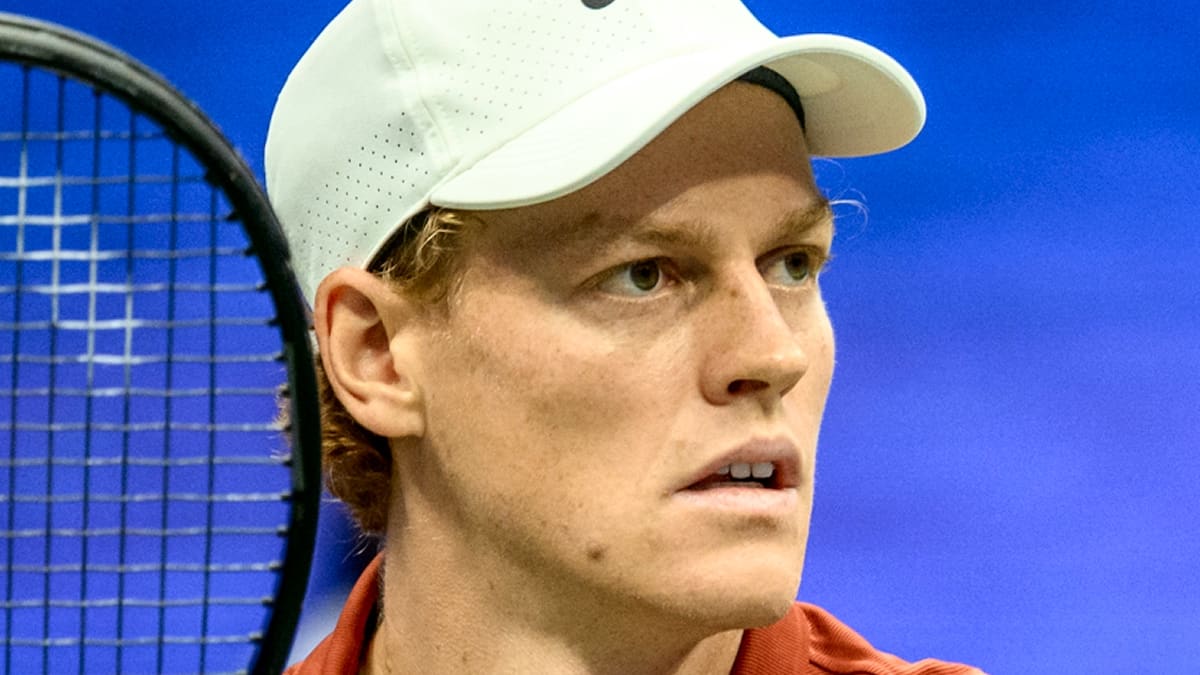
Jannik Sinner, currently holding the top spot in the ATP rankings, recently made the difficult decision to withdraw from the final Grand Slam of the season. A persistent right knee injury forced the Italian standout to prioritize physical rehabilitation over immediate competitive glory. Sinner has recently shared his first public update since the withdrawal, posting indoor training photos that confirm his recovery is progressing on schedule.
Sinner's aggressive movement pattern relies on sliding across high-friction surfaces, which puts immense shear stress on his patellar tendon. The World No. 1 is targeting a return to competitive play at the China Open in Beijing later this September. From a mechanical perspective, the controlled environment of indoor training allows his coaching staff to monitor his joint loading and deceleration rates, minimizing the risk of a premature setback.
By stepping away from the tour temporarily, Sinner's team is taking a calculated approach to his career longevity. Rushing back from tendon-related issues often leads to compensatory injuries elsewhere in the kinetic chain. This period of deliberate recovery is designed to ensure that when Sinner does return, his lower body can handle the high-velocity directional changes required by his aggressive baseline style.
Carlos Alcaraz's Recovery from Right Wrist Pathology
In contrast, Carlos Alcaraz has successfully navigated his own physical hurdles, returning to action after a challenging four-month competitive layoff caused by a right wrist injury. The Spanish superstar, who wields a highly customized Babolat frame, relies on rapid wrist snap to generate massive ball speed. This mechanical reliance on wrist flexion makes any tendon sheath inflammation highly disruptive to his overall game.
Alcaraz made his return to the court at the US Open, where he defeated Roman Safiullin in straight sets during his opening match. He followed that performance with a hard-fought second-round victory over Jaime Faria, a match we analyzed in our previous tactical breakdown of the tournament's schedule. These early matches served as a perfect field test for his rebuilt wrist mechanics under live match pressure.
Monitoring Alcaraz's wrist stability during these matches revealed a subtle adjustment in his contact point, likely aimed at reducing the peak shock load transmitted through the racquet handle. The successful absorption of impact from heavy incoming balls indicates that his four-month rehabilitation period was highly effective. Restoring the structural integrity of his wrist allows Alcaraz to play with his signature freedom without fear of re-injury.
The Kinetic Toll of High-Velocity Strings and Modern Hard Courts
Modern tennis requires an unprecedented level of physical durability. The combination of stiff carbon-fiber frames, low-elasticity polyester strings, and abrasive hard-court surfaces creates a harsh environment for the human body. Players like Sinner and Alcaraz must generate their own dampening mechanisms, as contemporary equipment is optimized almost exclusively for control and spin rather than shock absorption.
Sinner's choice of equipment requires immense core stability to swing consistently at high speeds. When the lower kinetic chain—specifically the right knee—is compromised, the entire kinetic chain breaks down. This forces the upper body to compensate, which frequently leads to secondary injuries in the shoulder or wrist if not managed with extreme caution.
For professional athletes, finding the optimal balance between racquet stiffness and physical longevity is a constant challenge. String tensions are meticulously adjusted based on ambient temperature and court speed to minimize the shock transmitted to the joints. Sinner's withdrawal highlights how even the most finely tuned athletes must occasionally step back to recalibrate their physical baselines.
Technical Specifications of the Modern Baseline Warrior
To understand the modern game, one must look at the physical profiles of its leaders. Jannik Sinner stands at 1.91 meters, a height that offers excellent leverage on serve but increases the moment of inertia during deep defensive lunges. This height-to-weight ratio requires highly specialized footwork to prevent excessive lateral load on the knee joints.
On the other hand, Alcaraz's 1.83-meter frame allows for a lower center of gravity, facilitating explosive multi-directional sprints. However, his aggressive all-court style means he covers more distance per point, increasing the overall wear and tear on his footwear and joint cartilage. Both players represent the pinnacle of athletic engineering, yet their contrasting physical dimensions dictate entirely different mechanical vulnerabilities.
The durability of these athletes is tested weekly on the ATP Tour. As the tour transitions to the Asian swing, the performance of their recovery protocols will determine who finishes the year at the top of the sport. For gear enthusiasts and tactical analysts alike, watching how these physical specimens adapt their games post-injury offers a fascinating look into the limits of human performance.
Rivalry Matchup & Player Profiles
| Metric | Jannik Sinner | Carlos Alcaraz |
|---|---|---|
| Rank | World No. 1 | World No. 3 |
| Age | 25 | 23 |
| Country | Italy | Spain |
| Height | 1.91 m (6 ft 3 in) | 1.83 m (6 ft 0 in) |
| Handedness | Right-handed | Right-handed |
| Play Style | Aggressive baseliner | Aggressive all-court player |
| Career Titles | 30 | 26 |
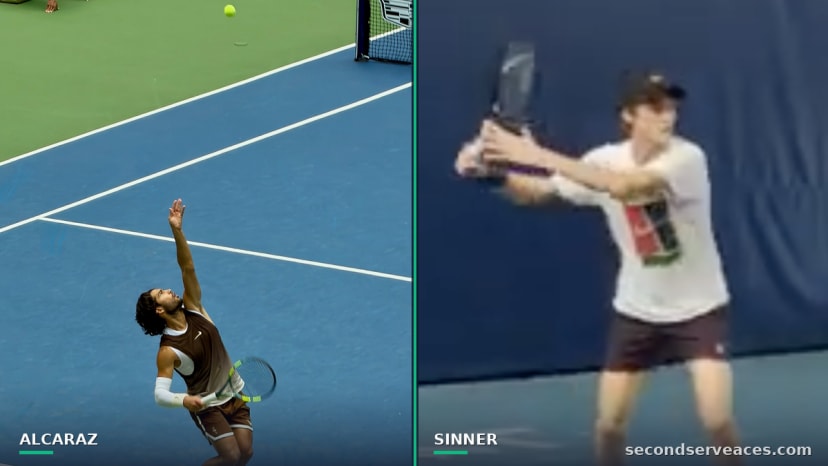
The rivalry between Jannik Sinner and Carlos Alcaraz is widely regarded as the era-defining matchup of the new generation. Alcaraz currently holds a 10-7 lead over Sinner in their ATP-level head-to-head encounters, showcasing the incredibly tight margins that separate these two champions. Their contrasting styles—Sinner's relentless baseline precision versus Alcaraz's creative all-court variety—creates a compelling tactical chess match every time they step on court.
In their most recent meeting, Sinner emerged victorious in the 2026 Monte Carlo Masters final, securing a 7-6(5), 6-3 victory on clay. As both players work their way back to peak physical condition, tennis fans can look forward to many more high-stakes encounters. The battle for the top spot in the rankings will undoubtedly run through these two athletes for years to come.
What Jannik Sinner Plays With
Head Speed MP 2024
Head Hawk Touch 1.25
Head Prime Tour (12-Pack)
Nike GP Challenge 1
Analyze Jannik Sinner vs. Carlos Alcaraz
Predict tactical adjustments, momentum swings, and serve strategy options for this match-up using our AI simulator.
The Aces Tactical Panel
This report was curated and edited by Bhaskar Goel. Tactical analysis and technical insights were provided by our specialized panel of expert correspondents.
Julian Price
Senior Tactical Correspondent
Stuffy, pedantic British academic and historian specializing in match momentum and historical context.
Elena Cruz
Director of Analytical Research
Data scientist specializing in court surface physics and movement patterns.
Bhaskar
The Editor & Fan
Passionate tennis player and site editor bringing everyday amateur insights and relatable fan commentary.
Arthur Vance
Senior Existential Analyst
Deep, eccentric, and DFW-inspired. Models court metaphysics, kinetic beauty, and player psychology.
Leo Sterling
High-Performance Consultant
Hard-nosed ex-trainer from Melbourne with a no-nonsense view on tour fitness.
Related Reports

Quick Answers
Why did Jannik Sinner withdraw from the 2026 US Open?+
Jannik Sinner withdrew from the tournament due to a lingering right knee injury that required him to prioritize rehabilitation.
When is Jannik Sinner planning to return to competitive tennis?+
Sinner is targeting his competitive return at the China Open in Beijing later in September.
How did Carlos Alcaraz perform in his first matches back from his wrist injury?+
Carlos Alcaraz successfully returned by defeating Roman Safiullin in straight sets in the first round and Jaime Faria in the second round.