A 29-Match Momentum Wave
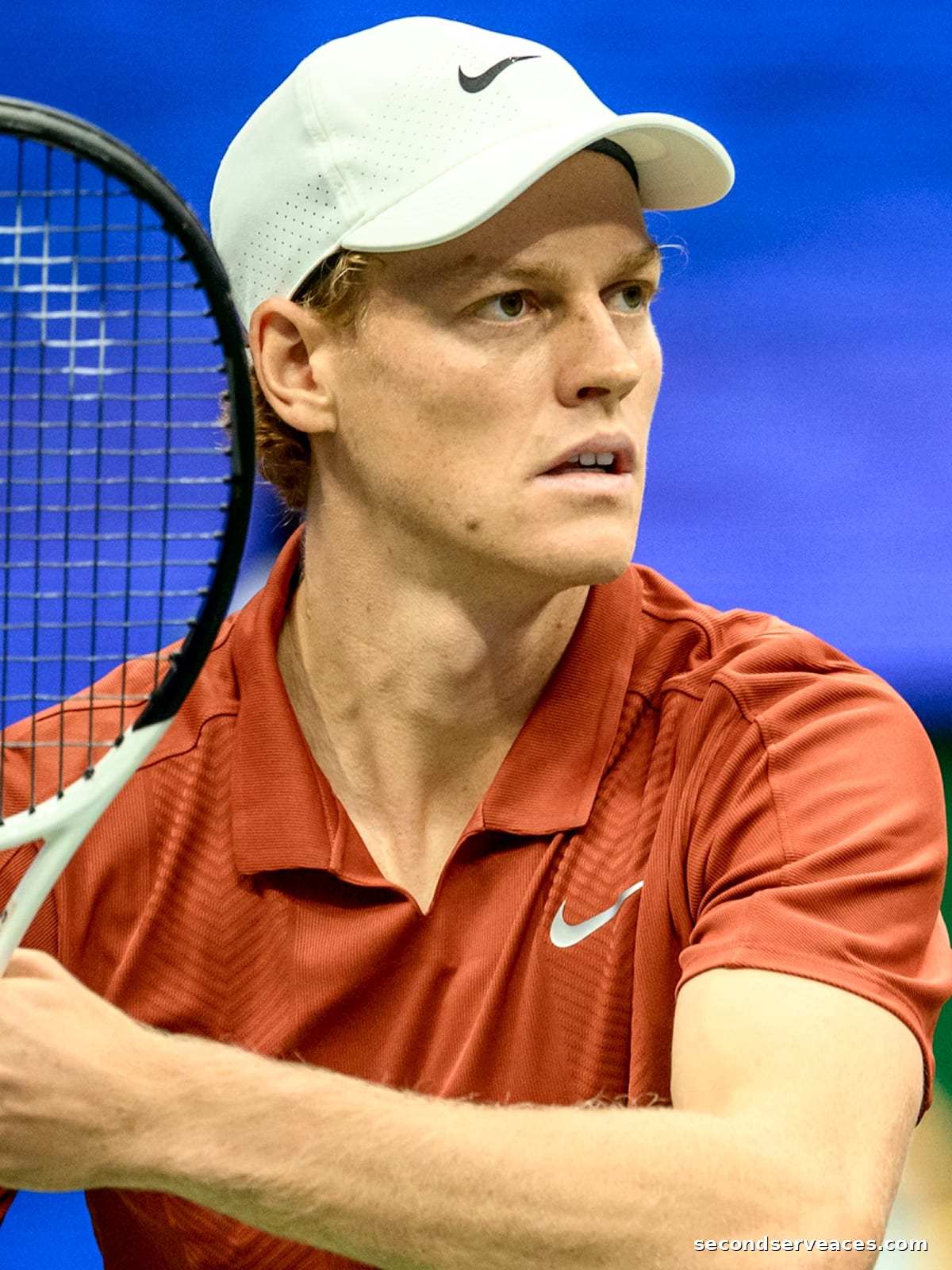
Jannik Sinner enters the gates of Roland-Garros carrying a 29-match winning streak that has left the rest of the tour gasping for air. This isn't just a statistical anomaly; it is a testament to his refined court geometry and an ability to shorten points before opponents can settle into a rhythm. His recent success in Rome, which secured his 'career Golden Masters' status, demonstrates a player who has mastered the nuances of moving on the red dirt.
Listen to the Second Serve Podcast
Get our daily AI-synthesized audio briefings and match reviews on the go.
The current ATP rankings reflect a player who has successfully transitioned from a baseline grinder into an aggressive, all-court threat. Sinner’s ability to take the ball on the rise, particularly on his backhand wing, allows him to dictate the terms of engagement regardless of the surface speed. As we discussed in our previous tactical breakdown, his serve mechanics have become more efficient, reducing the number of unforced errors that plagued his early career.
While the field remains deep with veterans like Novak Djokovic, who recently celebrated his 39th birthday, the narrative in Paris has been fundamentally altered. Sinner’s consistency, paired with his newfound tactical variety, makes him the prohibitive favorite. He no longer waits for opponents to miss; he forces the issue with heavy, penetrating groundstrokes that find the corners with surgical precision.
The Absence of a Primary Rival
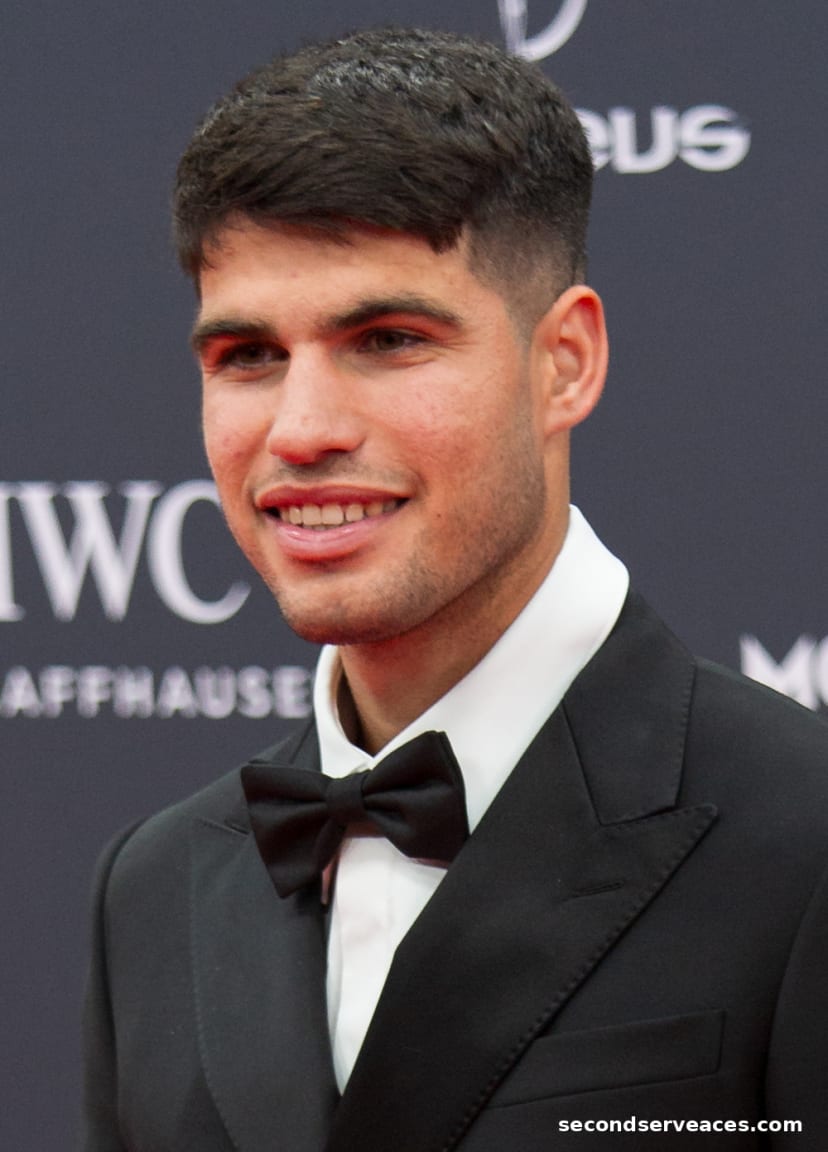
The withdrawal of Carlos Alcaraz due to a wrist injury has created a seismic void in the tournament draw. Alcaraz, who will also miss Wimbledon, was expected to be the primary foil for Sinner’s ambitions. Without the Spanish phenom, the pressure on Sinner to navigate the draw to a career Grand Slam title is immense, yet he appears mentally equipped to handle the spotlight.
The loss of Alcaraz, alongside the absence of Arthur Fils due to a hip injury, leaves the draw looking significantly different than anticipated. For Sinner, this means a shift in preparation; he must now prepare for a wider array of stylistic matchups rather than focusing on a singular, high-intensity rivalry. The tactical discipline required to pivot between a heavy-hitting game and a defensive-counterpuncher style will be tested in the second week.
We must also look at the younger generation, including players like Rafael Jodar, who are looking to capitalize on these high-profile absences. The ATP Tour is currently in a state of flux, and the vacuum left by injury-prone stars provides an opening for the next tier of talent to prove their mettle on the biggest stage.
Tactical Adjustments on the Red Clay
Winning on clay requires a different mental and physical ledger than on hard courts. Sinner’s recent performance in Rome suggests he has adapted his sliding technique and his patience during long rallies. By utilizing more topspin to force shorter balls, he is creating more opportunities to move forward and finish points at the net, a departure from his strictly baseline-oriented past.
Novak Djokovic, despite his age, remains a master of the chess match. Any path to the trophy for Sinner will likely involve navigating the tactical traps set by the veteran. The key for Sinner will be his serve percentage on the ad side; if he can maintain the high standards he set during his 29-match run, he will make it exceptionally difficult for any opponent to find a break point.
Ultimately, the tournament will be won by the player who can best manage the physical toll of a best-of-five format on clay. Sinner’s conditioning has been a priority for his coaching team, and the evidence suggests he is peaking at the exact moment required for a major title run. He is not just playing to win; he is playing to establish a new hierarchy in professional tennis.
Infrastructure and the Future of the Tour
Beyond the match results, the business side of the tour is feeling the impact of these high-profile withdrawals. The absence of stars like Alcaraz and Fils affects ticket sales, broadcasting interest, and the overall marketing narrative of the sport. The ATP Tour must now rely on the emergence of consistent performers like Sinner to carry the torch.
We are seeing an increased reliance on data analytics to dictate training loads and match preparation. Sinner’s team is likely utilizing the latest in biomechanical tracking to ensure his wrist and shoulder health remain optimal throughout the fortnight. This behind-the-scenes work is the silent engine driving his current success.
As the tournament progresses, keep an eye on the transition game. The ability to move from defense to offense on a dime is what separates the top-ranked players from the rest of the field. Sinner has demonstrated this transition better than anyone over the last two months, and if he maintains this trajectory, the path to his first Roland-Garros title looks clearer than ever.
What Jannik Sinner Plays With
Head Speed MP 2024
Head Hawk Touch 1.25
Head Prime Tour (12-Pack)
Nike GP Challenge 1
Analyze Jannik Sinner vs. Novak Djokovic
Predict tactical adjustments, momentum swings, and serve strategy options for this match-up using our AI simulator.
The Aces Tactical Panel
This report was curated and edited by Bhaskar Goel. Tactical analysis and technical insights were provided by our specialized panel of expert correspondents.
Julian Price
Senior Tactical Correspondent
Stuffy, pedantic British academic and historian specializing in match momentum and historical context.
Elena Cruz
Director of Analytical Research
Data scientist specializing in court surface physics and movement patterns.
Bhaskar
The Editor & Fan
Passionate tennis player and site editor bringing everyday amateur insights and relatable fan commentary.
Arthur Vance
Senior Existential Analyst
Deep, eccentric, and DFW-inspired. Models court metaphysics, kinetic beauty, and player psychology.
Leo Sterling
High-Performance Consultant
Hard-nosed ex-trainer from Melbourne with a no-nonsense view on tour fitness.
Related Reports
Quick Answers
How many consecutive matches has Jannik Sinner won entering the French Open?+
Jannik Sinner enters the tournament on a 29-match winning streak.
Why is Carlos Alcaraz missing the French Open?+
Carlos Alcaraz has been ruled out of the French Open and Wimbledon due to a wrist injury.
What major title did Jannik Sinner win recently to complete his 'career Golden Masters'?+
Jannik Sinner won the Rome trophy last week, completing his 'career Golden Masters' status.