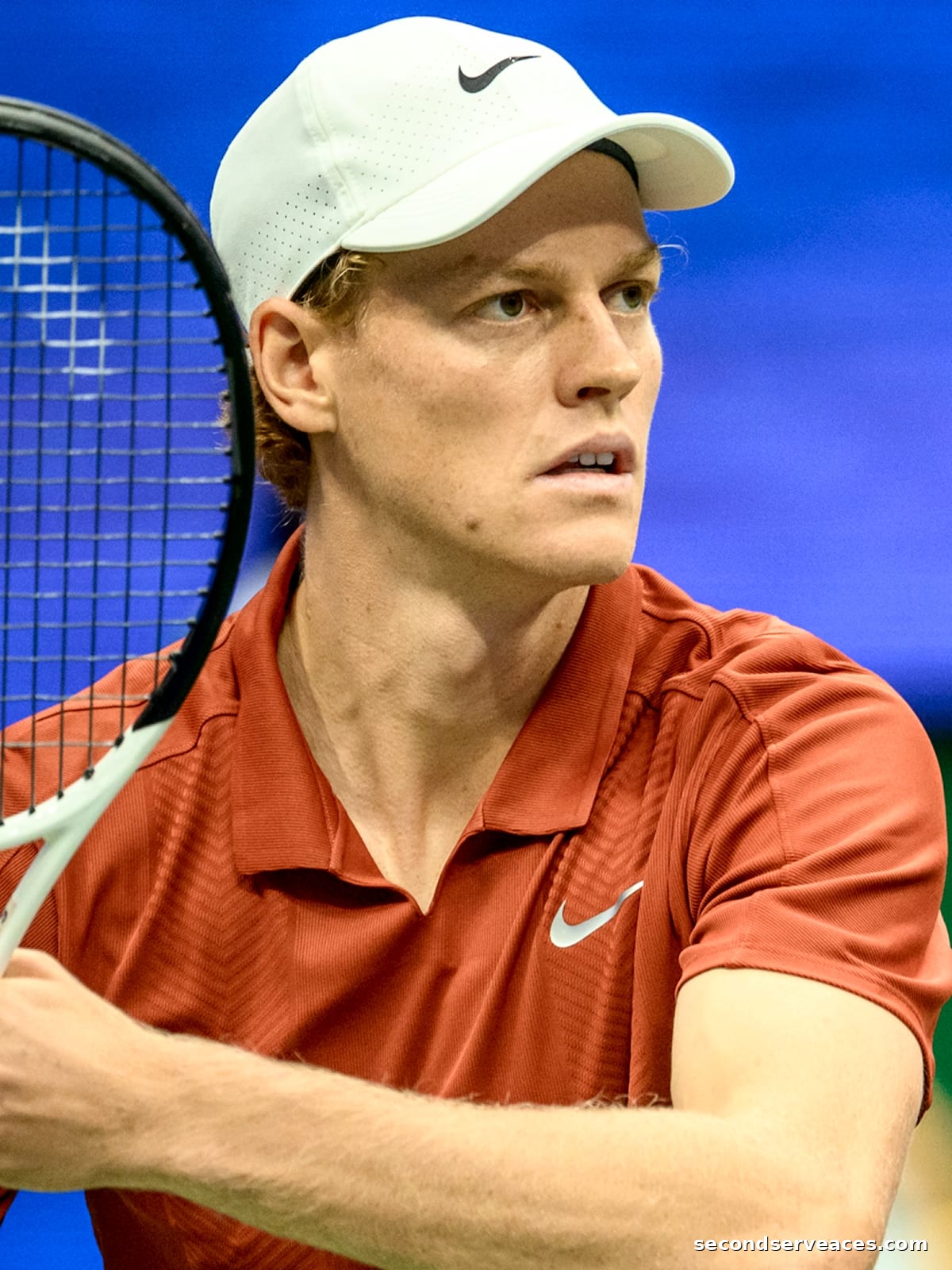
The tactical battleground of professional tennis is shifting rapidly from the baseline to the boardroom. A growing coalition of elite competitors is currently evaluating a collective boycott of the revamped US Open mixed doubles tournament. This quiet revolt, which reportedly includes singles heavyweight Jannik Sinner, highlights a widening chasm between the sport's active labor force and the administrators of the year's final Grand Slam.
Listen to the Second Serve Podcast
Get our daily AI-synthesized audio briefings and match reviews on the go.
The Court Geometry of a Condensed 16-Team Draw
At the center of the athletic dispute is a radical restructuring of the mixed doubles event. Tournament organizers have introduced a highly condensed 16-team draw featuring short-set scoring, accompanied by a $1 million top prize for the eventual champions. In doubles, court positioning and tactical execution rely on a delicate rhythm; the sudden implementation of short sets fundamentally alters match momentum, leaving little room for pairs to adjust their return strategies or recover from an early break of serve.
While Sinner is currently dominating the singles landscape—as reflected in the latest ATP rankings—his alignment with doubles specialists in this dispute signals a unified locker room. For specialists who rely on the traditional scoring format to construct points and exploit service-box angles, the condensed draw represents a direct threat to their competitive livelihood. The allure of a seven-figure prize pool has failed to quiet the underlying structural concerns of the locker room.
The Financial Baseline and the Push for 22 Percent
The dissatisfaction is not confined to the singles elite. Former US Open mixed doubles champions Sara Errani and Andrea Vavassori have publicly condemned the structural modifications, labeling the revamped format a "profound injustice." For traditional doubles players, who spend careers mastering the nuances of I-formation serving and reflex volleys at the net, the dilution of the draw format minimizes their specialized skill sets in favor of rapid, television-friendly exhibition-style play.
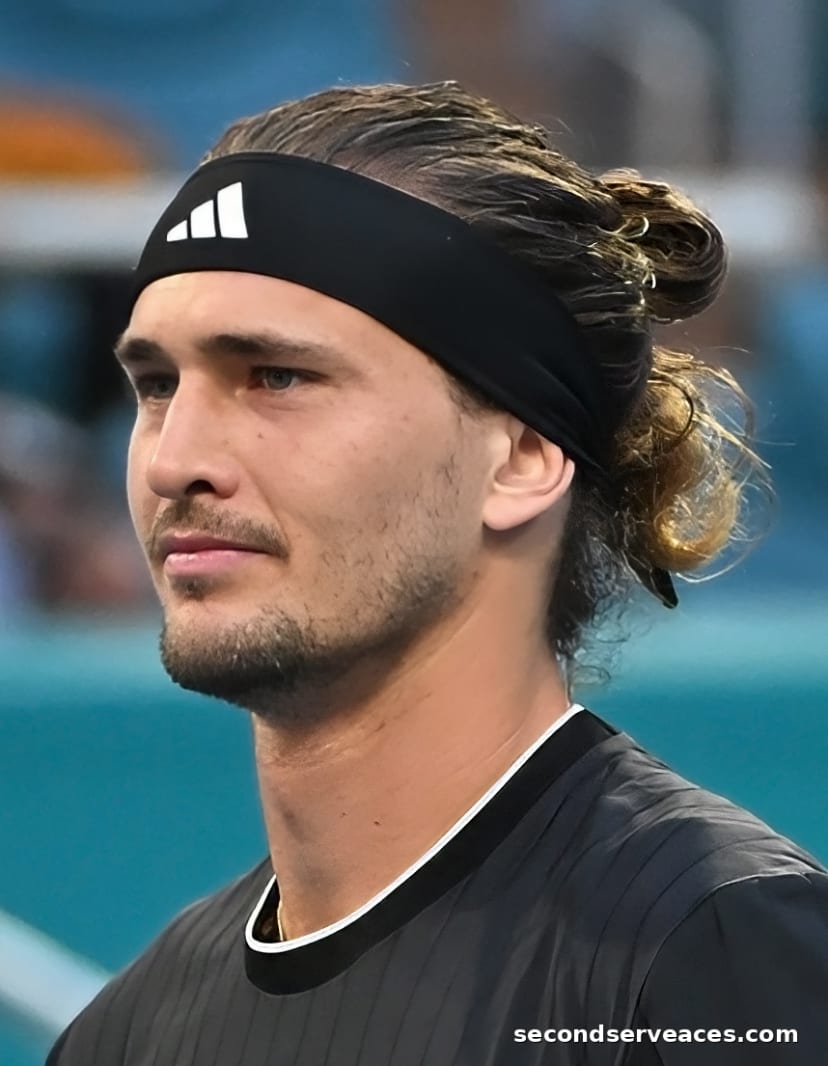
This protest is intrinsically tied to a broader financial campaign. Players are demanding that the major tournaments commit to distributing 22 percent of overall Grand Slam revenue to the players by the year 2030. As elite competitors like Karolina Muchova, Alexander Zverev, and Jan Zielinski prepare for their respective campaigns, the operational reality of the tour remains grueling. We have previously detailed these physical and scheduling pressures in our analysis of Jack Draper's competitive schedule. If the organizers of the US Open refuse to negotiate on these structural and revenue-sharing terms, the mixed doubles courts in New York risk looking remarkably empty this autumn.
What Jannik Sinner Plays With
Head Speed MP 2024
Head Hawk Touch 1.25
Nike GP Challenge 1
Analyze Jannik Sinner vs. Sara Errani
Predict tactical adjustments, momentum swings, and serve strategy options for this match-up using our AI simulator.
The Aces Tactical Panel
This report was curated and edited by Bhaskar Goel. Tactical analysis and technical insights were provided by our specialized panel of expert correspondents.
Julian Price
Senior Tactical Correspondent
Stuffy, pedantic British academic and historian specializing in match momentum and historical context.
Elena Cruz
Director of Analytical Research
Data scientist specializing in court surface physics and movement patterns.
Bhaskar
The Editor & Fan
Passionate tennis player and site editor bringing everyday amateur insights and relatable fan commentary.
Arthur Vance
Senior Existential Analyst
Deep, eccentric, and DFW-inspired. Models court metaphysics, kinetic beauty, and player psychology.
Leo Sterling
High-Performance Consultant
Hard-nosed ex-trainer from Melbourne with a no-nonsense view on tour fitness.
Related Reports
Quick Answers
Why are tennis players threatening to boycott the US Open mixed doubles?+
Players, including Jannik Sinner, are protesting a revamped format that condenses the draw to 16 teams and implements short-set scoring, alongside broader disputes over Grand Slam revenue sharing.
What specific format changes did the US Open introduce for mixed doubles?+
The tournament reduced the draw to 16 teams, introduced short-set scoring, and offered a $1 million top prize for the champions.
What is the primary financial demand of the protesting tennis players?+
The players are demanding that Grand Slams allocate 22 percent of their total revenue to the competitors by the year 2030.