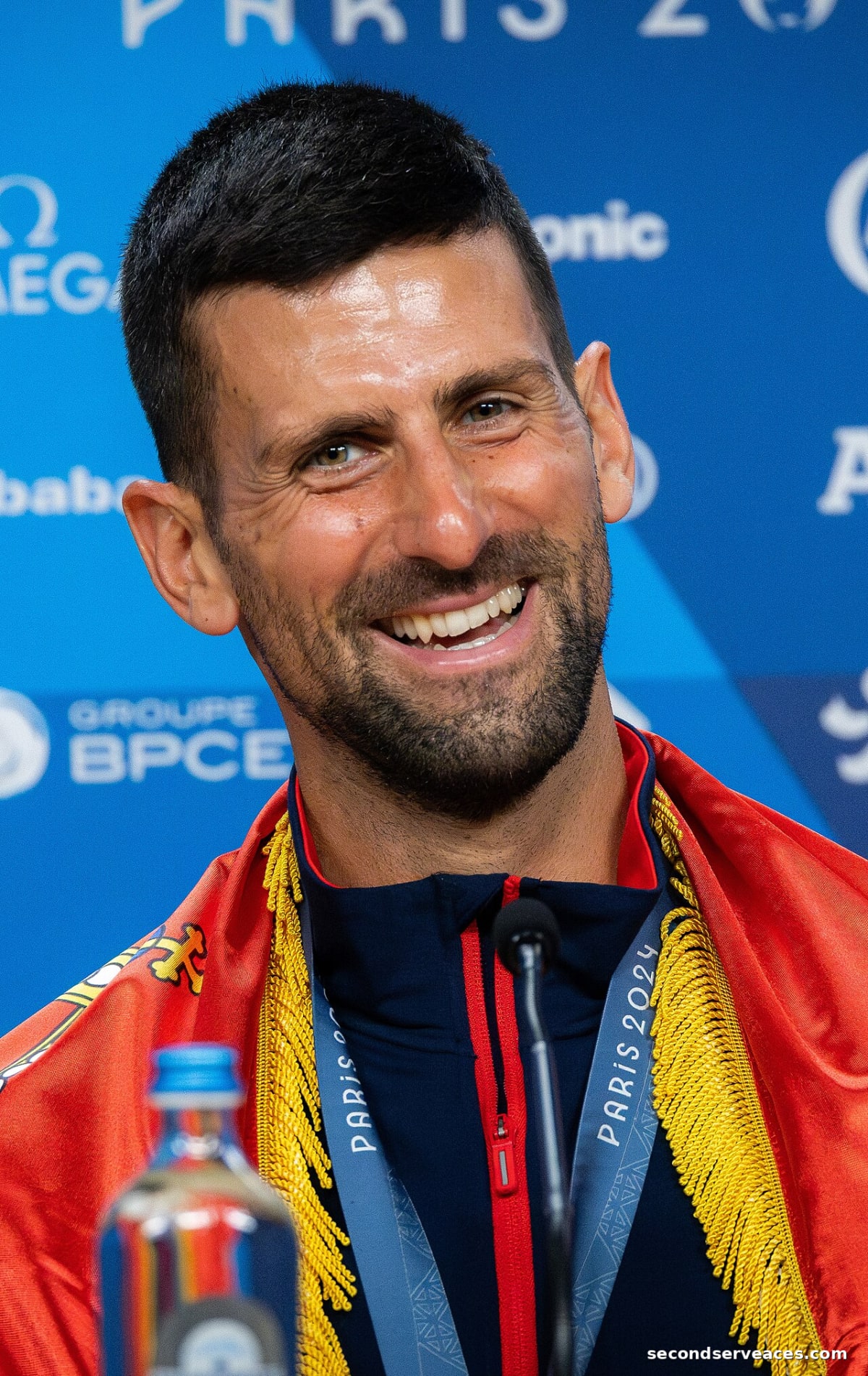
The 2026 U.S. Open mixed doubles draw will operate under a hyper-condensed format: a three-day tournament running from August 24 to August 26, featuring a restricted field of just 16 teams. This condensed schedule demands immediate tactical efficiency, leaving zero room for players to ease into their matches. With the tournament entry deadline locked for August 17, 2026, the announcement of a blockbuster pairing has completely recalibrated expectations for the event.
Listen to the Second Serve Podcast
Get our daily AI-synthesized audio briefings and match reviews on the go.
The Fast-Four Scoring Matrix: Why No-Ad Scoring Shifts Court Position
The tournament's unique ruleset completely alters typical doubles court positioning. With matches played as best-of-three sets to four games (transitioning to six games only in the final), the margin for error is razor-thin. Utilizing no-ad scoring means every single deuce point becomes a sudden-death set-point or break-point opportunity. Under these high-pressure conditions, serving teams cannot afford conservative, deep-court positioning; they must look to secure the net immediately to cut off the angles.
A critical element of this format is the 10-point match tiebreak replacing the traditional third set. This format reduces physical strain but elevates the statistical importance of early-point dominance. In standard doubles, teams winning the first strike (rallies under four shots) win approximately 68% of total service points. In a first-to-four-games sprint, that percentage climbs even higher, forcing players to abandon long, probing baseline exchanges in favor of aggressive serve-and-volley tactics and immediate poaching at the net.
Serving Metrics and Return Efficiency: Unpacking the Djokovic-Sabalenka Synergy
When analyzing the pairing of world No. 1 Aryna Sabalenka and 24-time Grand Slam champion Novak Djokovic, the tactical synergy lies in their return metrics. Djokovic, operating from his preferred deuce-court return position, has historically won over 35% of first-serve return points on hard courts throughout his career. Sabalenka complements this with an average first-serve speed of 115 mph, a metric that matches or exceeds several players on the ATP Tour. This raw power from the baseline allows her partner to roam freely at the net, hunting for quick volleys.
The entry deadline of August 17, 2026, will finalize a highly exclusive draw. Out of the 16 available slots, only six teams will receive direct entry based on combined rankings, alongside eight wild cards and two qualifying teams. The Djokovic-Sabalenka partnership instantly secures one of these direct spots, combining Sabalenka's top-tier WTA ranking with Djokovic's elite ATP standing. Their combined baseline weight will force opponents to defend from deep behind the baseline, a position that is highly vulnerable on the fast, low-bouncing hard courts of Flushing Meadows.
The Absentee Factor: Why Sinner and Alcaraz Bypass the Mixed Doubles Draw
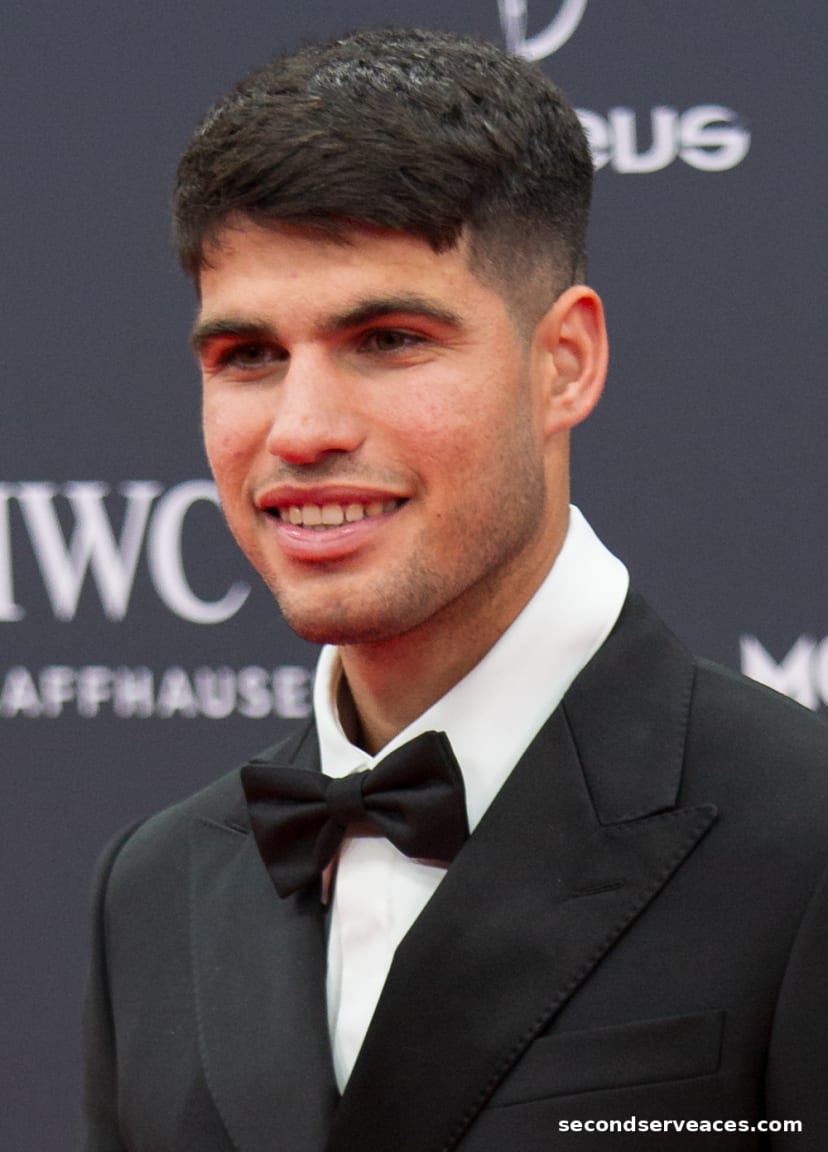
While the top-billed pairing brings immense star power, several of the sport's biggest names are noticeably absent from the initial entry list. Current men's superstars Jannik Sinner and Carlos Alcaraz have opted out of the mixed doubles event. As we noted when Jannik Sinner withdrew from Montreal earlier in the season, top-tier singles competitors frequently prioritize their primary draws to avoid additional on-court hours, even within a shortened three-day mixed doubles window.
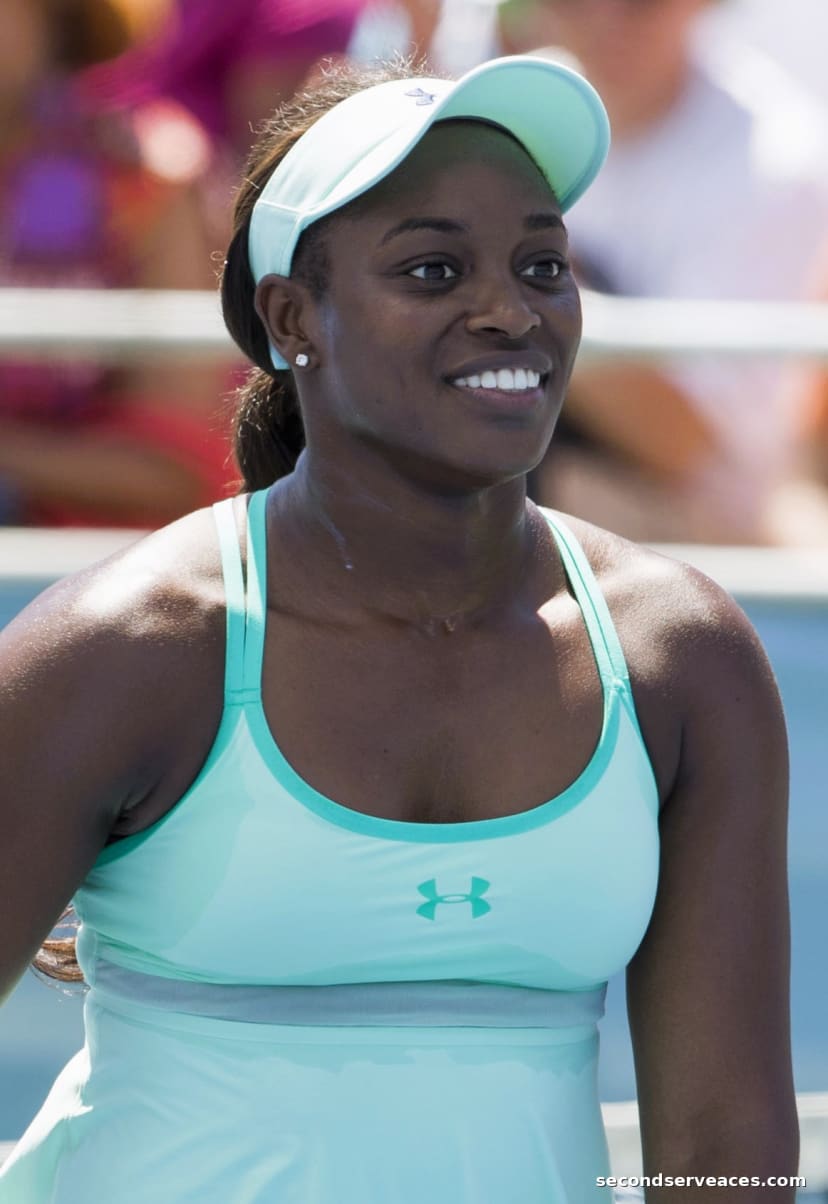
Furthermore, legendary names like Venus and Serena Williams are also absent from the initial list. This roster decision aligns with the shifting priorities of veterans, as we explored when analyzing why Venus Williams defended Serena's Wimbledon exit in past seasons. With the mixed doubles field capped so tightly, the entry list prioritizes active, highly ranked singles specialists who can leverage their current form to navigate the rapid-fire, no-ad scoring format without needing extensive doubles-specific preparation.
Rivalry Matchup & Player Profiles
| Metric | Novak Djokovic | Aryna Sabalenka |
|---|---|---|
| Rank | 3rd, ATP Singles (as of March 2026) | World No. 1, WTA Singles |
| Age | 39 | 28 |
| Country | Serbia | Belarus |
| Height | 1.88 meters (6 ft 2 in) | 1.82 meters (5 ft 11.5 in) |
| Handedness | Right-handed (two-handed backhand) | Right-handed (two-handed backhand) |
| Play Style | Elite returner, strong backhand, physical endurance | Aggressive baseliner, high-velocity serve |
| Career Titles | 101 | 24 |
Novak Djokovic and Aryna Sabalenka have never faced each other as opponents in any official capacity, making this upcoming partnership at the 2026 US Open their first formal on-court collaboration. This pairing unites two of the most dominant baseline forces in modern tennis history. Djokovic's unparalleled defensive court coverage and redirection skills will provide a perfect foil for Sabalenka's aggressive, high-velocity groundstrokes.
By combining Djokovic's surgical return precision with Sabalenka's raw serving power, this duo possesses the tactical tools to disrupt any traditional doubles specialist team. The primary challenge will be adjusting to the fast-four format, where momentum shifts can occur within a single service game, requiring immediate chemistry and tactical flexibility from the very first point.
What Novak Djokovic Plays With
Head Speed Pro
Luxilon ALU Power 125
Asics Court FF 3 Novak
Analyze Novak Djokovic vs. Aryna Sabalenka
Predict tactical adjustments, momentum swings, and serve strategy options for this match-up using our AI simulator.
The Aces Tactical Panel
This report was curated and edited by Bhaskar Goel. Tactical analysis and technical insights were provided by our specialized panel of expert correspondents.
Julian Price
Senior Tactical Correspondent
Stuffy, pedantic British academic and historian specializing in match momentum and historical context.
Elena Cruz
Director of Analytical Research
Data scientist specializing in court surface physics and movement patterns.
Bhaskar
The Editor & Fan
Passionate tennis player and site editor bringing everyday amateur insights and relatable fan commentary.
Arthur Vance
Senior Existential Analyst
Deep, eccentric, and DFW-inspired. Models court metaphysics, kinetic beauty, and player psychology.
Leo Sterling
High-Performance Consultant
Hard-nosed ex-trainer from Melbourne with a no-nonsense view on tour fitness.
Related Reports

Quick Answers
Who are the headline partners for the 2026 US Open mixed doubles?+
Novak Djokovic and Aryna Sabalenka have teamed up to headline the initial mixed doubles entry list.
What is the tournament format and scoring system for the 2026 mixed doubles event?+
The event runs over three days, utilizing best-of-three sets to four games (six games in the final), no-ad scoring, and a 10-point match tiebreak instead of a third set.
How many teams will compete in the 2026 US Open mixed doubles draw?+
The draw is restricted to 16 teams, consisting of six direct entries by ranking, eight wild cards, and two qualifying teams.