The Achilles Fracture Beneath the Roman Clay
In the high-stakes theater of the Internazionali BNL d'Italia, the body often pays the ultimate price for the ambitions of the mind. Francisco Roig, the tactical architect behind Iga Świątek’s relentless dominance, learned this the hard way. A routine volleying duel turned into a career-altering moment when Roig suffered a torn Achilles, a stark reminder that even those guiding the sport’s elite are not immune to the unforgiving nature of the surface.
Listen to the Second Serve Podcast
Get our daily AI-synthesized audio briefings and match reviews on the go.
The incident wasn't just a medical footnote; it was a sensory reminder of the physicality required to compete in Rome. Clay is a surface that demands total immersion, grinding down ankles and spirits alike. When a coaching heavyweight like Roig goes down, it ripples through the player’s camp, forcing an immediate recalibration of rhythm and support in the midst of a premier event.
We often talk about the mental tax of these long-form tournaments, but the physical degradation is the silent partner of every match. Roig’s injury is a sobering check on the industry, highlighting the fine line between athletic precision and catastrophic failure that every player walks every time they step onto the red dust.
The Revenue Rebellion: A Unified Front in the Ranks
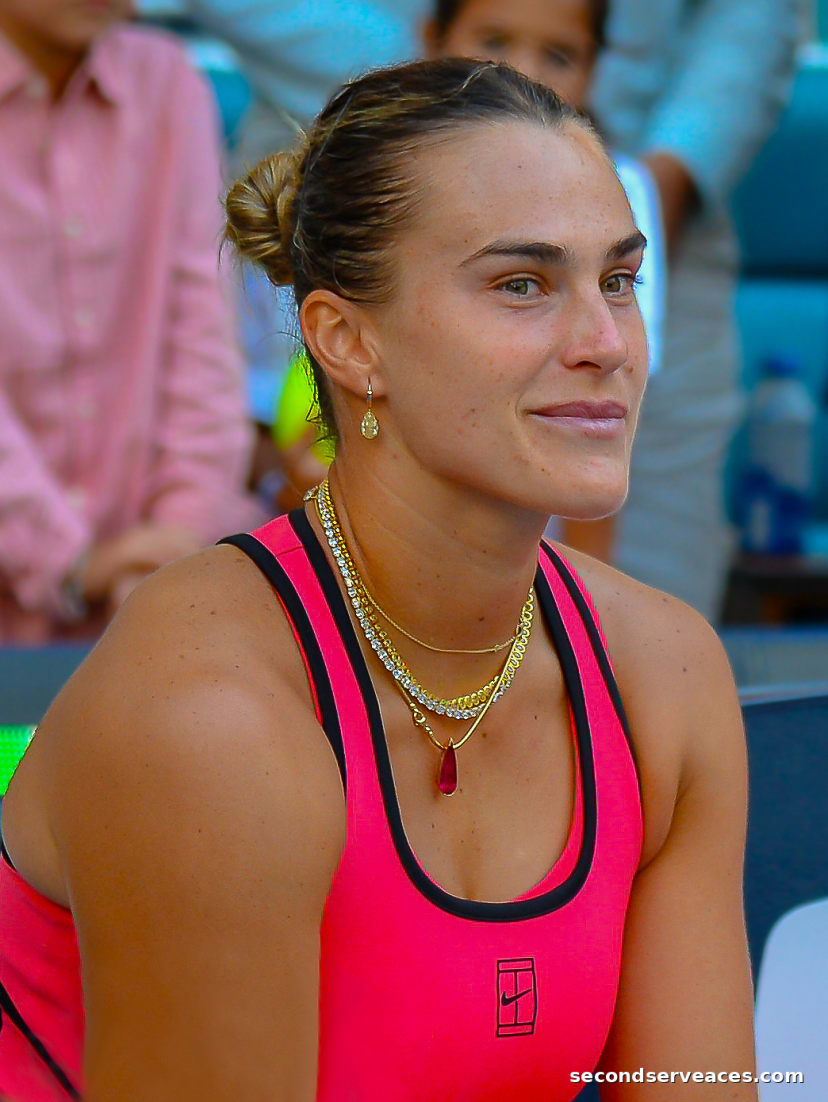
While the clay was being churned, a different kind of pressure was mounting in the locker rooms. Aryna Sabalenka, Coco Gauff, and Elena Rybakina—three pillars of the modern WTA Tour—have begun to openly discuss a potential boycott of Grand Slam events. The crux of the tension? Equitable revenue reform.
This isn't merely an administrative squabble; it is a fundamental shift in the power dynamic between the workforce and the governing institutions. For players of this stature to publicly align on a boycott suggests that the frustration has moved past the private confines of the players' council and into the public square of the sport’s most prestigious venues.
The bravery required to leverage one’s own participation in a Slam against the status quo is a testament to the current era's rankings leaders. They aren't just playing for trophies anymore; they are fighting for the long-term fiscal health of the profession. Whether this leads to a tangible shift or a standoff remains to be seen, but the dialogue has officially changed.
The Double-Bagel Statement and the New Guard
Jessica Pegula delivered the kind of clinical efficiency that defines a master of the court, recording her career-first double-bagel against Rebeka Masarova. In a game dominated by incremental gains and gritty hold-outs, a scoreline of 6-0, 6-0 is a profound psychological weapon. It signals to the field that her preparation and execution have hit a rarefied peak.
Elsewhere, the youth movement continues to challenge the established hierarchy, most notably through the defeat of Novak Djokovic at the hands of the 20-year-old Dino Prižemić. That a player of Djokovic’s stature—absent for two months—can be dismantled by a hungry, unburdened talent like Prižemić underscores the volatility of the current ATP Tour landscape.
Meanwhile, the sheer absurdity and beauty of the sport converged in Vero Beach, where 15-year-old Teodor Davidov faced off against 45-year-old Ryan Haviland. From the top-tier tension in Rome to the grassroots grind of the ITF, the range of the sport is vast, yet connected by the same singular desire to own the moment.
Defining the Future Through Professional Accountability
The Italian Open has served as a crucible this season. It has highlighted the danger of the job, the burgeoning economic consciousness of the players, and the inevitable rise of the next generation. For the observers, it’s a masterclass in reading between the lines of the draw sheets and the press room.
What happens when the established guard meets a wall of injury and dissent? The tournament becomes more than a list of winners; it becomes a case study in how to navigate turbulence. The players are evolving beyond mere performers, becoming stakeholders in the very product that has historically expected their silence.
As we watch the remainder of the season, the primary narrative won't just be about who holds the trophy at the end of the final set. It will be about how the sport handles the internal pressure of its own athletes pushing for a better share of the game they built with their own sweat and sacrifice.
What Aryna Sabalenka Plays With
Wilson Blade 98 v9 (16x19)
Luxilon ALU Power 125
Wilson Pro Overgrip (12-Pack)
Analyze Iga Świątek vs. Francisco Roig
Predict tactical adjustments, momentum swings, and serve strategy options for this match-up using our AI simulator.
The Aces Tactical Panel
This report was curated and edited by Bhaskar Goel. Tactical analysis and technical insights were provided by our specialized panel of expert correspondents.
Julian Price
Senior Tactical Correspondent
Stuffy, pedantic British academic and historian specializing in match momentum and historical context.
Elena Cruz
Director of Analytical Research
Data scientist specializing in court surface physics and movement patterns.
Bhaskar
The Editor & Fan
Passionate tennis player and site editor bringing everyday amateur insights and relatable fan commentary.
Arthur Vance
Senior Existential Analyst
Deep, eccentric, and DFW-inspired. Models court metaphysics, kinetic beauty, and player psychology.
Leo Sterling
High-Performance Consultant
Hard-nosed ex-trainer from Melbourne with a no-nonsense view on tour fitness.