The Transition
There is a specific, melancholy geometry to the end of a professional tennis partnership. It is the dissolution of a shared language, a private lexicon of serves, split-steps, and mid-match adjustments that no longer holds weight. The news has crystallized: Iga Swiatek and coach Wim Fissette have formally concluded their working relationship in the immediate aftermath of the Miami Open. This decision follows a startling first-round defeat at the hands of Magda Linette, a loss that has invited a recalibration of Swiatek’s trajectory in the 2026 season.
Listen to the Second Serve Podcast
Get our daily AI-synthesized audio briefings and match reviews on the go.
The Tactical Breakdown
At the highest level, the margin between dominance and vulnerability is thinner than the nylon strings on a racquet. Swiatek’s game is predicated on an aggressive, heavy-spin baseline pressure—she is a player who treats the court as a puzzle to be solved through brute-force geometry. However, when the timing of that topspin misfires, or when an opponent like Linette successfully neutralizes the pace, the entire architecture of her defense can shift.
- Rally Tolerance: Swiatek thrives when she can dictate the rhythm from the center of the court. Against opponents who can disrupt her comfort zone, her margin for error narrows significantly.
- Court Positioning: The hard courts of Miami demand a high degree of adaptability. When the ball sits in her strike zone, she is lethal; when pulled wide, her reliance on heavy margins can sometimes lead to an accumulation of unforced errors during high-stress break points.
- Match Momentum: A 12-6 record for the 2026 season indicates a period of searching for consistency. The synergy between a player and a coach is often measured by their ability to stabilize a player during these fluctuating periods.
The Bigger Picture
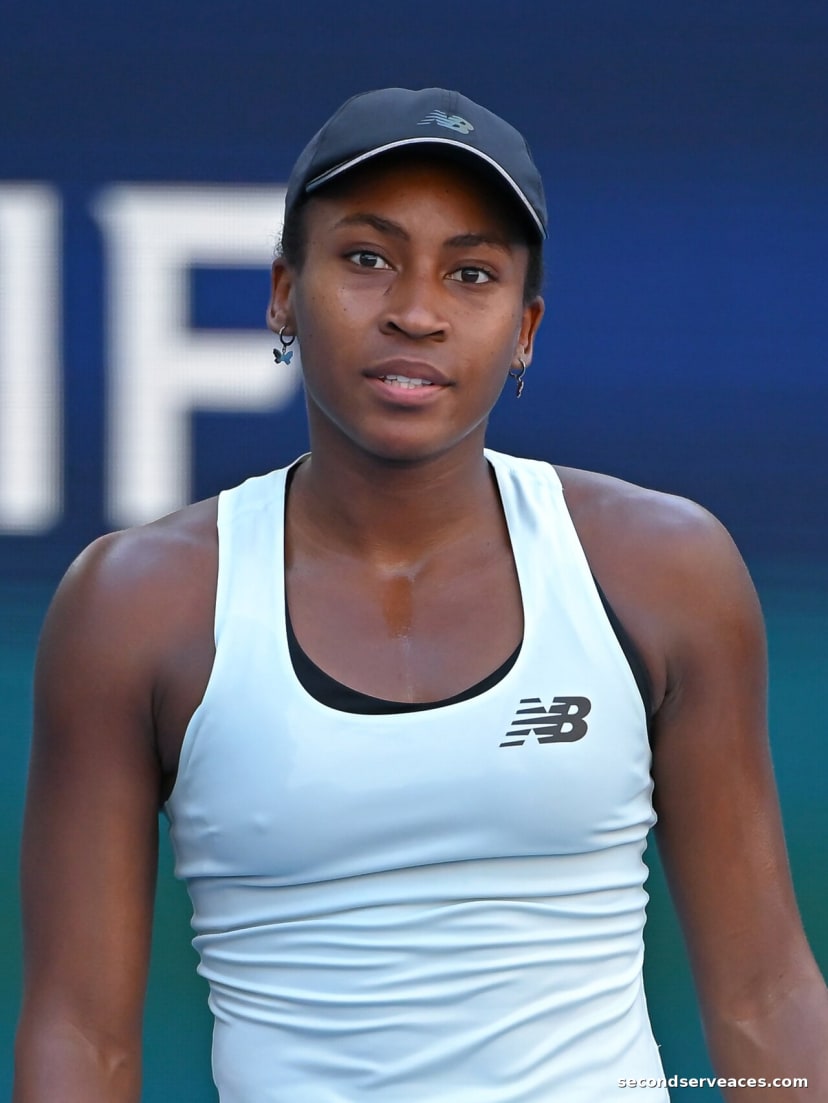
The landscape of the WTA rankings is a fluid, unforgiving entity. Following the results in Miami, the movement at the top has been immediate: Coco Gauff has ascended to the third spot in the world rankings, pushing Swiatek down to fourth. It is a stark reminder that professional tennis rarely offers the luxury of a prolonged plateau; the leaderboard is a reflection of current, measurable output.
Swiatek’s season began with undeniable promise, most notably her role in helping Poland secure the United Cup title. Yet, the transition from the team-based camaraderie of that event to the lonely, high-stakes isolation of a first-round exit in Miami highlights the volatility of the tour. Whether this coaching change serves as a necessary reset or a signal of deeper tactical uncertainty remains to be seen. As the circuit pivots toward the upcoming clay-court swing, all eyes will be on how she reconstructs her internal logic for the matches ahead.
What Iga Swiatek Plays With
Tecnifibre Tempo 298 Iga
Tecnifibre Razor Code 1.25
Tecnifibre Pro Contact Overgrip
Analyze Iga Swiatek vs. Wim Fissette
Predict tactical adjustments, momentum swings, and serve strategy options for this match-up using our AI simulator.
The Aces Tactical Panel
This report was curated and edited by Bhaskar Goel. Tactical analysis and technical insights were provided by our specialized panel of expert correspondents.
Julian Price
Senior Tactical Correspondent
Stuffy, pedantic British academic and historian specializing in match momentum and historical context.
Elena Cruz
Director of Analytical Research
Data scientist specializing in court surface physics and movement patterns.
Bhaskar
The Editor & Fan
Passionate tennis player and site editor bringing everyday amateur insights and relatable fan commentary.
Arthur Vance
Senior Existential Analyst
Deep, eccentric, and DFW-inspired. Models court metaphysics, kinetic beauty, and player psychology.
Leo Sterling
High-Performance Consultant
Hard-nosed ex-trainer from Melbourne with a no-nonsense view on tour fitness.