The Manacor Maneuver: Iga Swiatek Recruits Francisco Roig
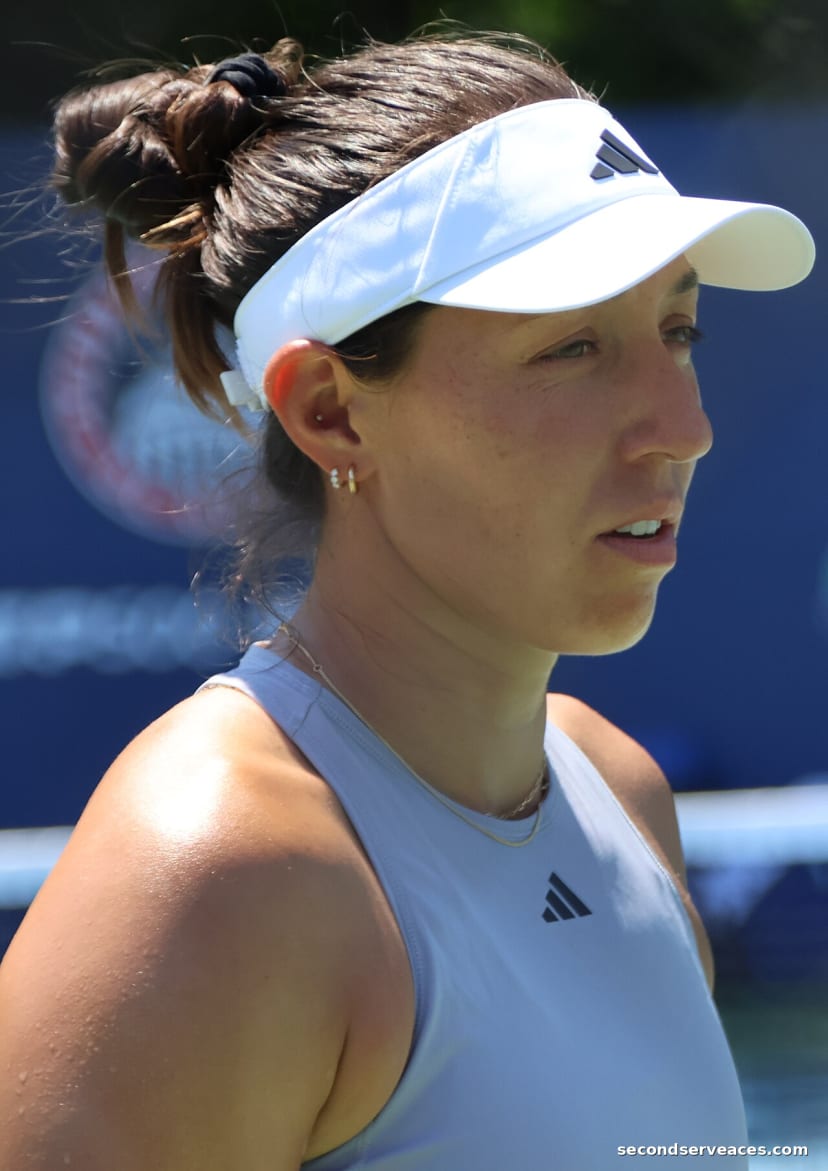
In a sport where the smallest adjustment can pivot the course of a season, the red dirt of Spain is currently serving as a sanctuary for Iga Swiatek. The world’s premier clay-court tactician has begun a new chapter, parting ways with Wim Fissette and appointing the seasoned Francisco Roig to her corner. It is a curious and compelling union, one that signals a deliberate return to the roots of clay-court supremacy.
Listen to the Second Serve Podcast
Get our daily AI-synthesized audio briefings and match reviews on the go.
Currently, Swiatek is settling into the rhythms of the Rafael Nadal Academy in Manacor. After an early exit in Miami and a subsequent withdrawal from Poland’s Billie Jean King Cup squad, the focus has shifted entirely toward the terre battue. Her eyes are locked firmly on April 13, 2026, when she will enter the Stuttgart Open as the fourth seed, looking to re-establish her authority as the tour moves into the marquee stops of Madrid, Rome, and eventually the crown jewel in Paris.
The Tactical Breakdown
What does Roig bring to a player who has already conquered the sport’s most demanding surface? His pedigree—deeply embedded in the school of heavy topspin and high-percentage margin—speaks for itself. Clay tennis is rarely about the single, thunderous blow; it is a game of geometry, court coverage, and, most importantly, rally tolerance.
- Shot Depth and Spin: Swiatek’s game is built on heavy, loop-laden groundstrokes that push opponents deep behind the baseline. Roig’s influence is expected to sharpen the tactical application of this depth, specifically looking at how she uses lateral movement to open up the court before hitting winners.
- Geometric Advantage: By training at the Nadal Academy, the focus is clearly on mastering the angles. Swiatek thrives when she can dictate play from the center of the court; expect to see a renewed emphasis on short-angle cross-court shots that pull opponents out of their comfort zone.
- Rally Management: The shift in coaching suggests a desire to reduce unforced errors during the grind of long matches. Expect a focus on strike-zone discipline, ensuring that she is not forcing the issue before the court is properly opened.
The Bigger Picture
The history of the sport is dotted with legendary shifts in personnel, but moving to Manacor carries a certain gravitas. The influence of the Spanish school—patience, physical conditioning, and mental resilience—is the gold standard for success on the red clay. By aligning herself with Roig, Swiatek is not merely changing her coaching staff; she is explicitly declaring her intentions for the upcoming major cycle.
With stops in Madrid and Rome acting as the traditional barometers for Roland Garros, the pressure on a top seed is immense. Swiatek enters this phase needing to balance the fatigue of a long calendar with the demands of the most physically punishing surface. Historically, players who find success in Stuttgart are those who adapt quickly to the transition from hard courts to the spring dirt. Her path is clear: recalibrate in Mallorca, hit the ground running in Germany, and prepare for the ultimate test in Paris.
What Iga Swiatek Plays With
Tecnifibre Tempo 298 Iga
Tecnifibre Razor Code 1.25
Tecnifibre Pro Contact Overgrip
Analyze Iga Swiatek vs. Rafael Nadal
Predict tactical adjustments, momentum swings, and serve strategy options for this match-up using our AI simulator.
The Aces Tactical Panel
This report was curated and edited by Bhaskar Goel. Tactical analysis and technical insights were provided by our specialized panel of expert correspondents.
Julian Price
Senior Tactical Correspondent
Stuffy, pedantic British academic and historian specializing in match momentum and historical context.
Elena Cruz
Director of Analytical Research
Data scientist specializing in court surface physics and movement patterns.
Bhaskar
The Editor & Fan
Passionate tennis player and site editor bringing everyday amateur insights and relatable fan commentary.
Arthur Vance
Senior Existential Analyst
Deep, eccentric, and DFW-inspired. Models court metaphysics, kinetic beauty, and player psychology.
Leo Sterling
High-Performance Consultant
Hard-nosed ex-trainer from Melbourne with a no-nonsense view on tour fitness.