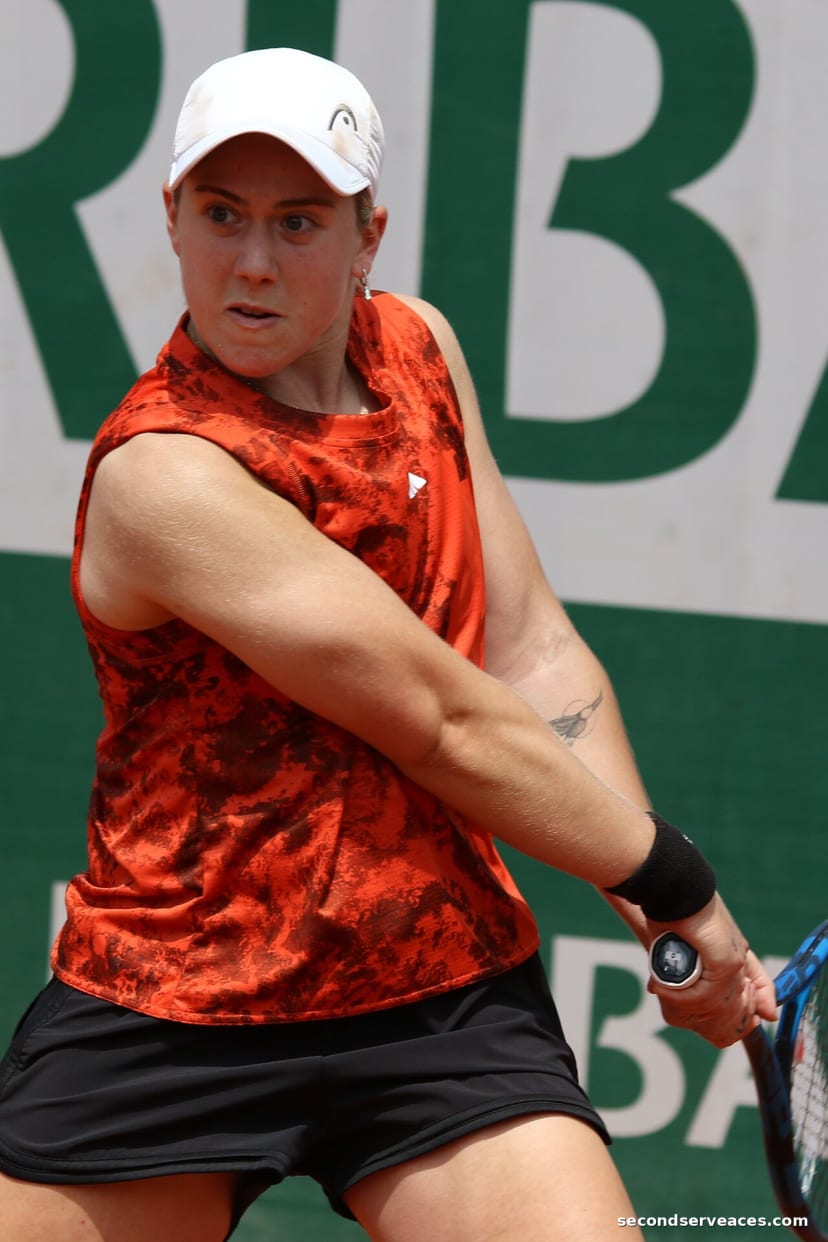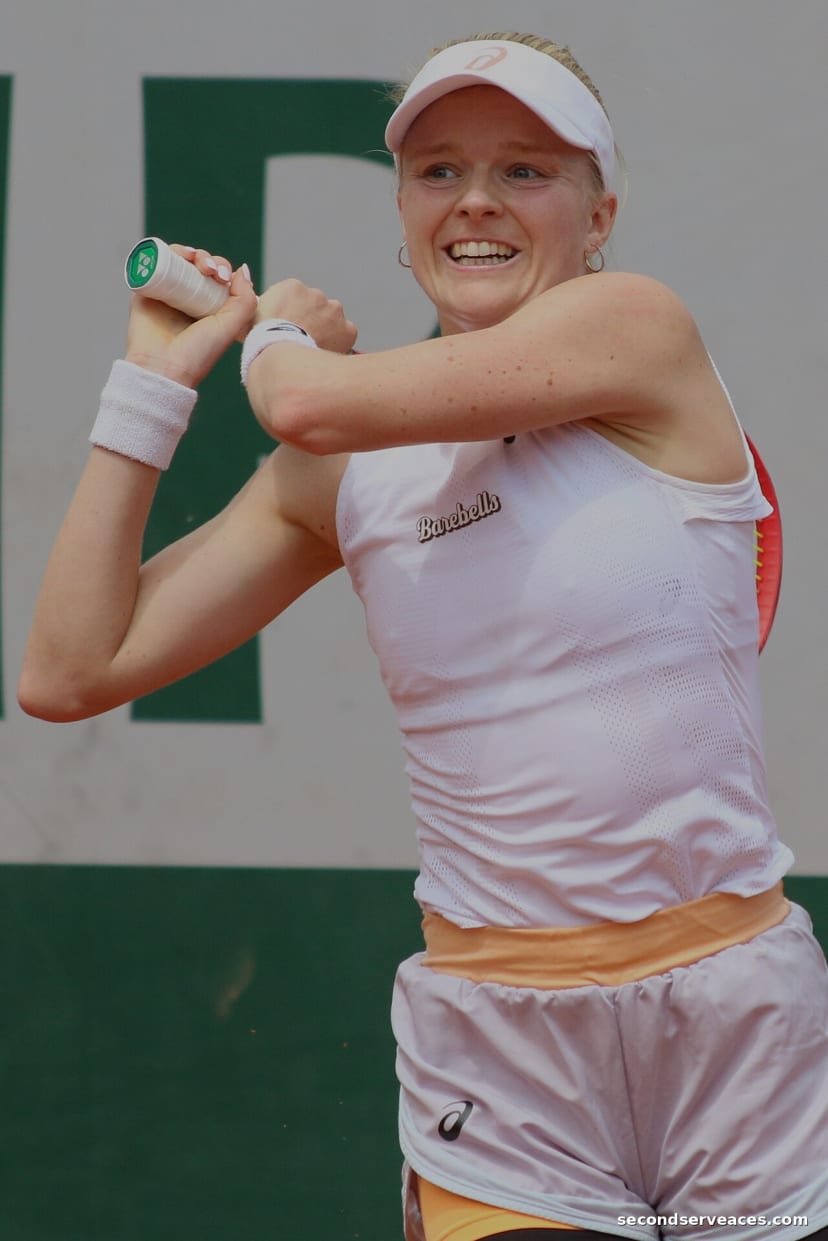
The structural plates of the WTA Tour are shifting beneath the Florida sun. Following the Miami Open, Iga Swiatek officially concluded her year-and-a-half coaching partnership with Wim Fissette. In the unforgiving ecosystem of elite tennis, personnel changes at the apex of the sport invariably create a ripple effect, and the rumor mill has already accelerated. The prevailing speculation suggests Swiatek’s camp is closely monitoring Michael Joyce as a potential successor.
Listen to the Second Serve Podcast
Get our daily AI-synthesized audio briefings and match reviews on the go.
This organizational maneuvering directly intersects with the current trajectory of Katie Boulter, Joyce’s existing charge. While the background noise of the coaching carousel grew louder, Boulter's immediate focus was on the court, where her Miami campaign was ultimately cut short in the third round. Karolina Muchova outmaneuvered the British number one, securing a 6-3, 7-5 victory to advance.
The Tactical Breakdown
To understand the mechanics of Muchova’s 6-3, 7-5 triumph, one must look at the contrasting geometric approaches of the two athletes. Karolina Muchova is fundamentally a tactical disruptor. Her game is built on a foundation of variety, utilizing court positioning and spin to dismantle opponents who rely on predictable rhythm.
Katie Boulter, conversely, thrives on linear, high-octane ball striking. Her baseline aggression requires pace to feed off of, making her highly effective against standard topspin rallies. In this third-round encounter, the tactical battle lines were clearly drawn:
- Pace Absorption: Muchova likely deployed her signature backhand slice to keep the ball low, denying Boulter the strike zone she favors for her flat, driving groundstrokes.
- Court Geometry: By opening up acute angles, Muchova forces aggressive baseliners to hit on the run, significantly reducing their shot tolerance.
- Rhythm Disruption: The first set scoreline of 6-3 indicates an early tactical stronghold for Muchova. Boulter found better offensive traction in the second set, pushing it to 7-5, but ultimately fell victim to Muchova's superior all-court fluidity and net approach frequency during critical points.
This match served as a textbook example of structural tennis—utilizing variety to neutralize pure baseline power rather than attempting to match it stroke for stroke.
The Bigger Picture
Despite the early exit in Miami, Boulter’s broader season narrative remains overwhelmingly positive. Her partnership with Michael Joyce has yielded tangible, significant dividends. Recently, Boulter captured the Ostrava Open, marking her first title in two years. This surge has propelled her up the Live WTA Rankings, climbing an impressive 36 spots since January to land at 64th in the world.
It is precisely this measurable success that makes Joyce an attractive target in the current coaching market. Swiatek’s separation from Fissette after 18 months underscores the relentless pursuit of perfection required to maintain dominance on the tour. Elite players do not settle for stagnation. The prospect of recruiting a tactician like Joyce brings considerable history into the equation; his resume includes steering Maria Sharapova through pivotal phases of her career, and he has successfully navigated both tours, possessing insights that cross generations, akin to veterans like Greg Rusedski.
The urgency for top-tier coaching is amplified by the sheer density of the modern WTA field. Established elite contenders, such as Jessica Pegula, continue to present formidable, consistent roadblocks at major events. Simultaneously, the developmental pipeline is producing an aggressive youth brigade. Emerging talents like Clara Tauson, Jessica Bouzas Maneiro, and Victoria Jimenez Kasintseva are actively applying upward pressure on the rankings.
When the margins between winning a major and exiting in the quarterfinals are measured in millimeters and tactical micro-adjustments, the voice inside the player's box becomes the most valuable commodity in the sport. If Swiatek does indeed make a play for Joyce, it will be a clear indicator that she is looking to completely retool her strategic architecture for the remainder of the season.
What Iga Swiatek Plays With
Tecnifibre Tempo 298 Iga
Tecnifibre Razor Code 1.25
Tecnifibre Pro Contact Overgrip
Analyze Iga Swiatek vs. Katie Boulter
Predict tactical adjustments, momentum swings, and serve strategy options for this match-up using our AI simulator.
The Aces Tactical Panel
This report was curated and edited by Bhaskar Goel. Tactical analysis and technical insights were provided by our specialized panel of expert correspondents.
Julian Price
Senior Tactical Correspondent
Stuffy, pedantic British academic and historian specializing in match momentum and historical context.
Elena Cruz
Director of Analytical Research
Data scientist specializing in court surface physics and movement patterns.
Bhaskar
The Editor & Fan
Passionate tennis player and site editor bringing everyday amateur insights and relatable fan commentary.
Arthur Vance
Senior Existential Analyst
Deep, eccentric, and DFW-inspired. Models court metaphysics, kinetic beauty, and player psychology.
Leo Sterling
High-Performance Consultant
Hard-nosed ex-trainer from Melbourne with a no-nonsense view on tour fitness.