A Legacy Built on Athleticism and Spontaneity
Since his professional debut in 2004, Gaël Monfils has been the ultimate disruptor of court geometry. His ability to cover the baseline with a reach that defies traditional physics—often sliding into defensive positions that would leave most players prone—has been a staple of the ATP Tour for over two decades. With 13 titles to his name and a career-high ranking of World No. 6, Monfils transformed the defensive lob and the high-flying overhead into an art form.
Listen to the Second Serve Podcast
Get our daily AI-synthesized audio briefings and match reviews on the go.
His tactical approach has always been rooted in chaos management. Unlike the methodical baseline grinders, Monfils used his verticality to force opponents into uncomfortable shot selections. We have seen this brilliance shine in Roland-Garros stadiums before, but the 2026 edition marks a definitive closure to a chapter that redefined showmanship in the modern era.
As he prepares to walk onto the terre battue one last time, the focus shifts from his signature highlight-reel slides to the sheer tactical discipline that kept him relevant against successive generations of talent. His longevity is a testament to an evolving physical strategy that prioritized match momentum over sheer power, a topic we touched on in our previous tactical breakdown of Parisian conditions.
The Emotional Weight of the 2026 Exit
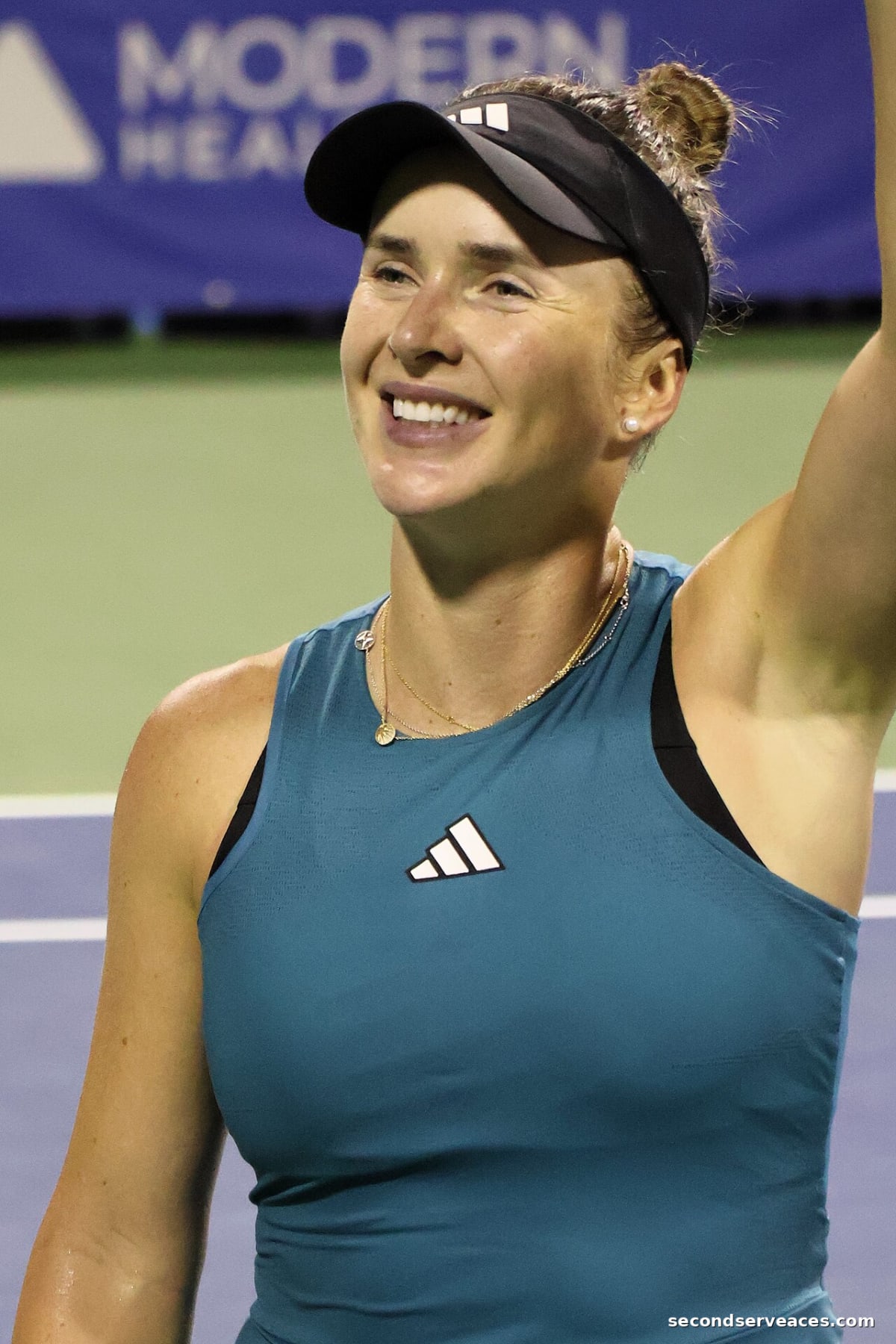
The announcement that 2026 will be his final professional season has sent a ripple through the tennis community. His wife, Elina Svitolina, recently shared a poignant tribute to his enduring commitment to the sport. It is a rare moment of vulnerability for a player who has spent his career masking his tactical intentions behind a smile and a shrug.
This farewell is not merely ceremonial; it is a calculated exit. Monfils has always been a student of the game, and his decision to bow out on the red clay of Paris suggests a desire to conclude where his professional journey truly accelerated. The upcoming 'Gaël & Friends' exhibition on May 21, 2026, serves as the prelude to the main event, a final nod to the peers who have shared the locker room with him throughout his tenure.
Watching Monfils navigate the later stages of his career has been a masterclass in adaptation. Much like the strategic reset we analyzed earlier this season, Monfils has learned when to conserve energy and when to unleash the explosive athleticism that once made him the most feared wildcard in any draw.
Tactical Preparation for the Hugo Gaston Clash
The first-round draw against Hugo Gaston is a fascinating study in contrast. Gaston, a master of the drop shot and the short-angle geometry, will challenge Monfils' lateral movement immediately. This isn't just a farewell match; it is a tactical chess match against a younger player who thrives on disrupting the rhythm that Monfils typically imposes.
Monfils will need to rely on his serve-plus-one execution to prevent Gaston from dictating the point from the transition zone. If he allows Gaston to draw him forward too often, the match will quickly turn into a series of lobs and passing shots that could exhaust his reserves. The key will be maintaining court positioning behind the baseline to keep the court open.
We have seen veterans struggle when they cannot dictate from the center of the court. Monfils' ability to use his heavy topspin to push Gaston deep behind the baseline will be the determining factor in whether he can extend his final French Open run beyond the opening round.
Beyond the Baseline: The Evolution of a Showman
Reflecting on his 13 career titles, it is easy to focus on the flashy winners, but the real story of Monfils lies in his defensive resilience. He forced the game to evolve, compelling opponents to hit one, two, or even three extra balls just to secure a point. This pressure forced a higher standard of shot-making across the entire field.
As he prepares for the final tournament, the tennis world recognizes that we are losing a unique tactical mind. Whether he is serving for the match or scrambling to retrieve a cross-court winner, his presence has always been a barometer for the health of the game's creative side. The courts of Paris will certainly be quieter without his signature energy.
We look forward to seeing how he approaches these final points. It isn't just about the result; it is about the execution of a career-long philosophy—that tennis, at its highest level, should be as much about the spirit of the game as it is about the score on the board.
What Novak Djokovic Plays With
Head Speed Pro
Luxilon ALU Power 125
Head Prime Tour (12-Pack)
Asics Court FF 3 Novak
Analyze Elina Svitolina vs. Gaël Monfils
Predict tactical adjustments, momentum swings, and serve strategy options for this match-up using our AI simulator.
The Aces Tactical Panel
This report was curated and edited by Bhaskar Goel. Tactical analysis and technical insights were provided by our specialized panel of expert correspondents.
Julian Price
Senior Tactical Correspondent
Stuffy, pedantic British academic and historian specializing in match momentum and historical context.
Elena Cruz
Director of Analytical Research
Data scientist specializing in court surface physics and movement patterns.
Bhaskar
The Editor & Fan
Passionate tennis player and site editor bringing everyday amateur insights and relatable fan commentary.
Arthur Vance
Senior Existential Analyst
Deep, eccentric, and DFW-inspired. Models court metaphysics, kinetic beauty, and player psychology.
Leo Sterling
High-Performance Consultant
Hard-nosed ex-trainer from Melbourne with a no-nonsense view on tour fitness.
Related Reports


Quick Answers
When will Gaël Monfils retire from professional tennis?+
Gaël Monfils is set to retire following the conclusion of the 2026 French Open.
Who is Gaël Monfils scheduled to play in the first round of the 2026 French Open?+
Monfils will face Hugo Gaston in the first round of the tournament.
What is the 'Gaël & Friends' exhibition?+
It is a special exhibition event featuring Gaël Monfils, scheduled to stream on May 21, 2026, at 7:30 p.m. CET.