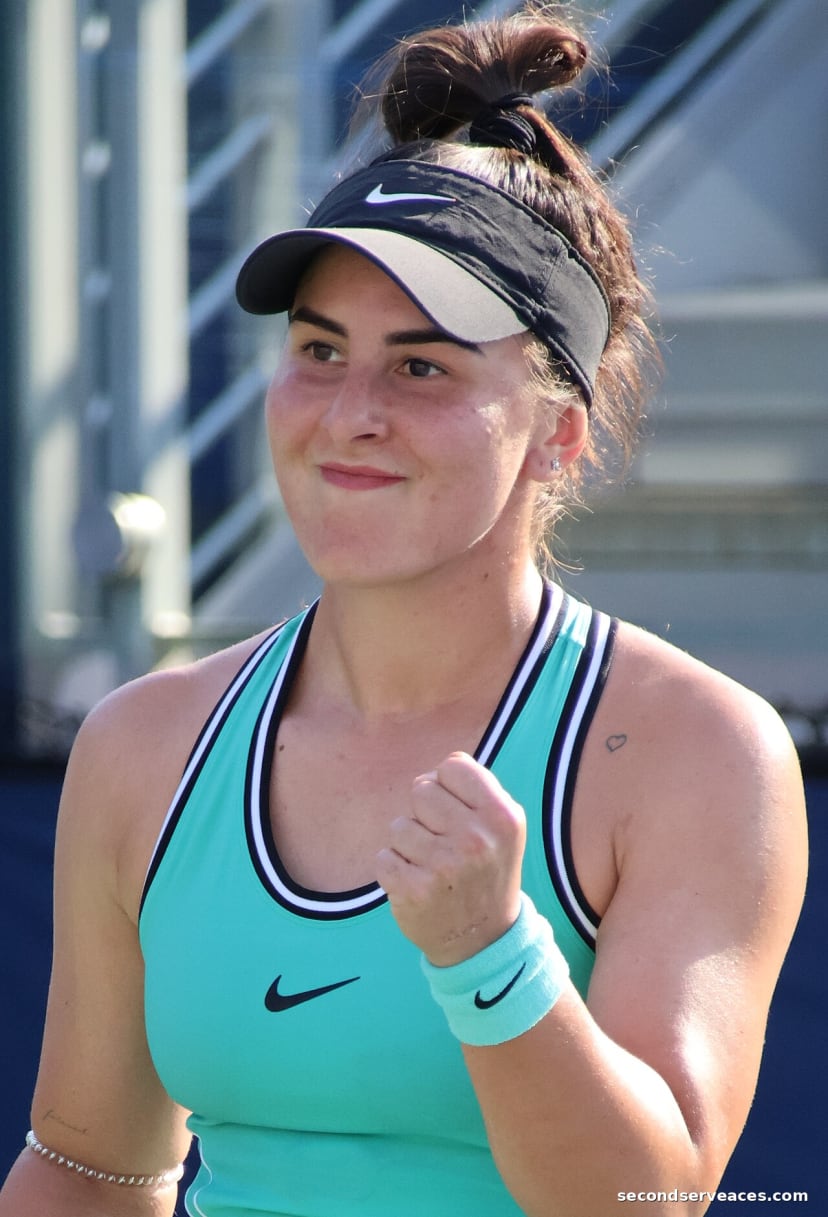
A Red-Clay Reclamation Project
On the storied red dirt of the Stuttgart Open, the narrative of the day belonged to the resilience of Eva Lys. Ranked World No. 72, the German contender clawed her way back from an opening-set deficit to dismantle Paula Badosa, 2-6, 7-5, 6-4. It was a performance that spoke louder than any ranking number, showcasing the poise of a player who has spent more time in a physiotherapist’s office than on a baseline over these last few months.
Listen to the Second Serve Podcast
Get our daily AI-synthesized audio briefings and match reviews on the go.
The match momentum swung on a knife’s edge during the second set. After dropping the opener with uncharacteristic hesitation, Lys managed to stabilize her movement, effectively neutralizing Badosa’s power-hitting by tightening her defensive geometry. The capacity crowd in Stuttgart witnessed a transformation in real-time, as the woman who recently struggled to find her footing in Miami began to dictate play with a rejuvenated ferocity.
For those keeping tabs on the WTA rankings, this win is a vital injection of confidence. Lys has spent the better part of the early season navigating the treacherous waters of professional recovery. Her ability to close out the third set after a grueling two-hour battle signals that the physical ceiling she’s been chasing is finally within reach, despite the psychological toll of a long layoff.
The Anatomy of a Torn Tendon
To understand the depth of this victory, one must look back to the start of the year in Sydney. A hyperextension injury resulted in a completely torn lateral tendon, an affliction that would sideline the most seasoned of veterans. The road back from such an injury is rarely linear, often paved with setbacks that test the fortitude of one’s spirit as much as one’s ligaments.
Following that trauma, Lys faced a turbulent return. Her early departure at the Miami Open, where she fell to Yuliia Starodubtseva in a 1-6, 4-6 contest, served as a stark reminder of the unforgiving nature of the tour. In tennis, the gap between rust and rhythm is a canyon, and crossing it requires more than just medical clearance; it requires the kind of match-toughness that only high-stakes competition can provide.
Her recovery isn't just about the strength of her lateral tendon; it’s about the mental transition from patient to competitor. By securing this win in Stuttgart, she has moved past the shadow of that injury, proving that her movement patterns—once hampered by the hesitation of a tender limb—are beginning to regain the explosive fluidity required to compete at this level.
Reflections on a 'Two-Faced' Ecosystem
Beyond the chalk lines, Lys has become a lightning rod for discussions regarding the intangible culture of the professional tour. Following remarks by players like Sachia Vickery, who famously described the WTA locker room as 'super fake and two-faced,' the conversation around the interpersonal climate of the tour has reached a fever pitch. Lys has not shied away from the reality of these high-pressure environments.
The modern tour is a pressure cooker. Players like Coco Gauff, Marta Kostyuk, and Elina Svitolina all operate within an ecosystem where the line between professional peer and rival is perpetually blurred. Lys's willingness to address the 'super fake' nature of these environments highlights a generational shift in how athletes process their professional existence.
Perhaps it is this very honesty—this refusal to play the polished PR game—that fuels her on the court. Whether dealing with critics following her injury hiatus or navigating the social complexities of the locker room, Lys is forging an identity that is decidedly her own. It is a refreshing departure from the cookie-cutter responses one often encounters in the post-match press room.
The Long Road to Consistency
Looking ahead, the Stuttgart result provides a beacon for a season that was rapidly threatening to spiral. With the memory of losses to players like Katie Volynets or Zhang Shuai still fresh, the focus must remain on the sustained execution of her tactical game plan. The win over Badosa isn't just a tally in the win-loss column; it is a tactical blueprint for how she can survive the grind.
Consistency is the currency of the elite. For Lys, the challenge is no longer about proving her health, but about proving her longevity. If she can continue to marry her aggressive baseline intent with the defensive discipline displayed in the second and third sets here, the world rankings will reflect a steady climb.
We’ve seen players surge and vanish with the tides of the tour, but there is a deliberate quality to Lys’s game that suggests she is here to stay. Whether or not the locker room culture remains 'two-faced' is secondary to the fact that her tennis has finally found its true, singular, and determined face.
What Coco Gauff Plays With
Head Boom MP 2024
Head Lynx Tour 1.25
Analyze Sachia Vickery vs. Eva Lys
Predict tactical adjustments, momentum swings, and serve strategy options for this match-up using our AI simulator.
The Aces Tactical Panel
This report was curated and edited by Bhaskar Goel. Tactical analysis and technical insights were provided by our specialized panel of expert correspondents.
Julian Price
Senior Tactical Correspondent
Stuffy, pedantic British academic and historian specializing in match momentum and historical context.
Elena Cruz
Director of Analytical Research
Data scientist specializing in court surface physics and movement patterns.
Bhaskar
The Editor & Fan
Passionate tennis player and site editor bringing everyday amateur insights and relatable fan commentary.
Arthur Vance
Senior Existential Analyst
Deep, eccentric, and DFW-inspired. Models court metaphysics, kinetic beauty, and player psychology.
Leo Sterling
High-Performance Consultant
Hard-nosed ex-trainer from Melbourne with a no-nonsense view on tour fitness.