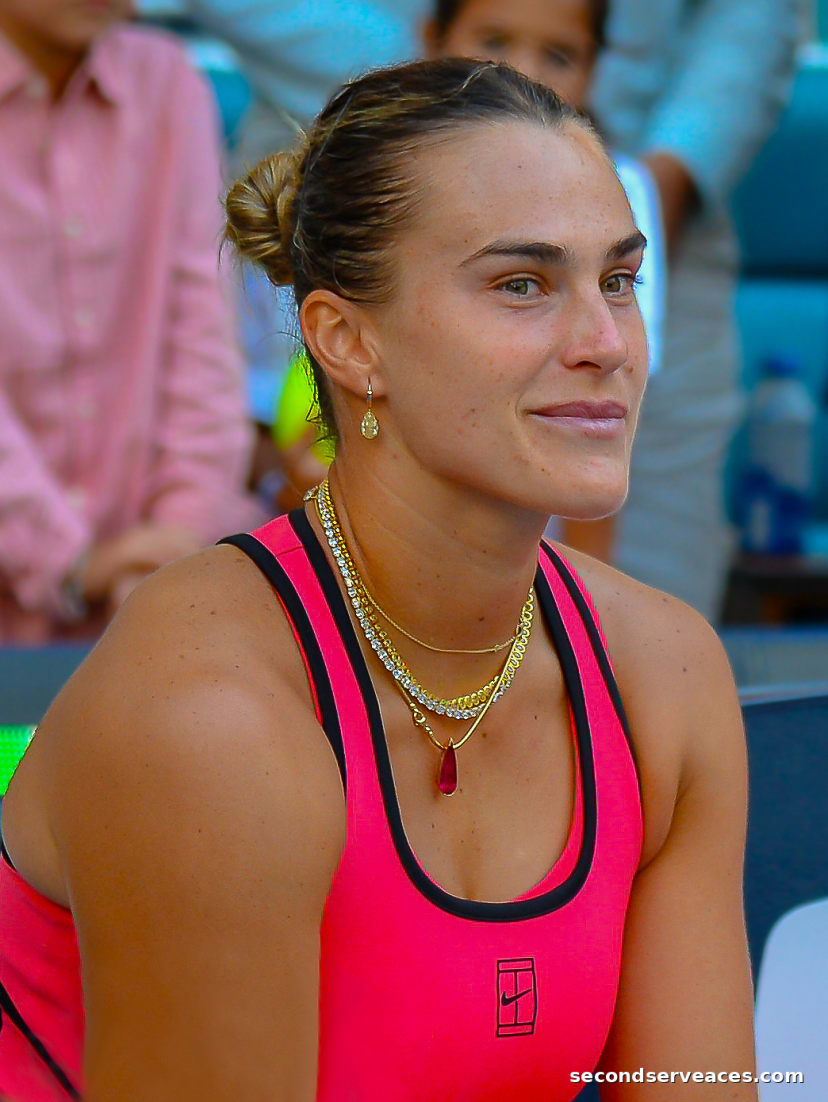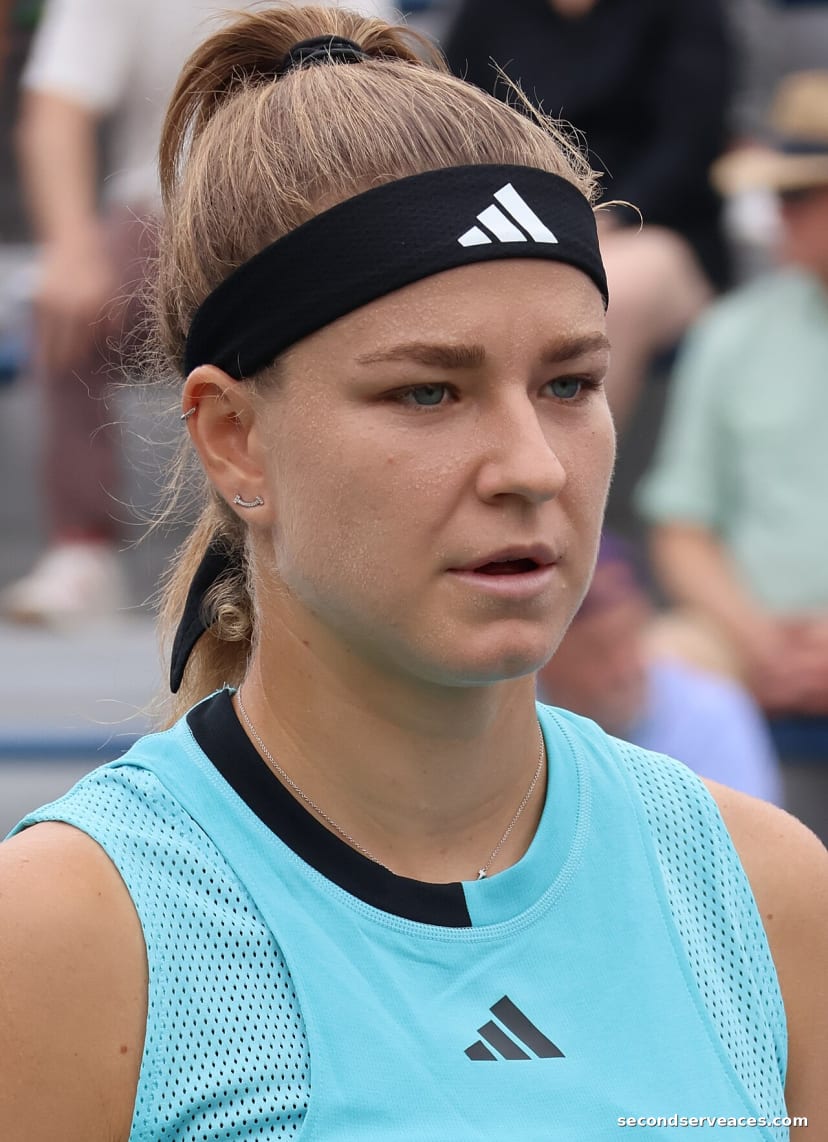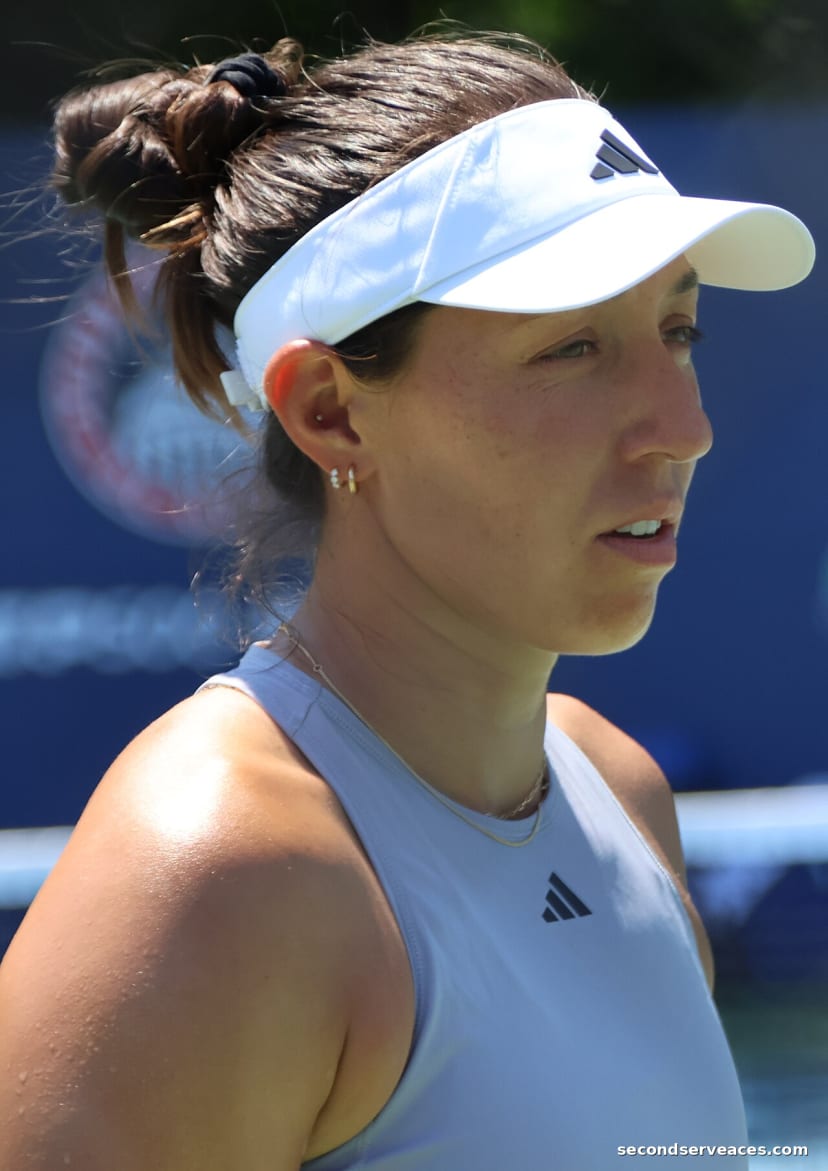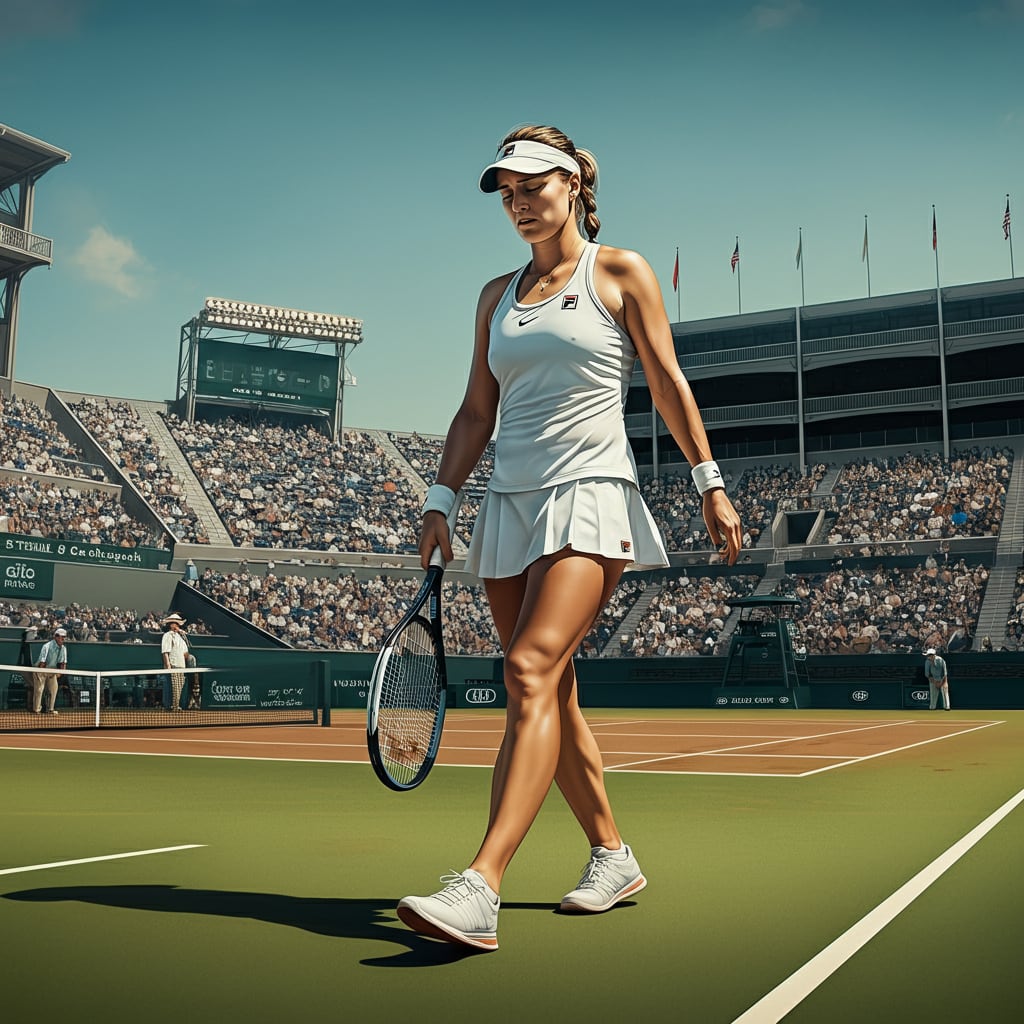
Nobody skips the family barbecue unless the house is literally on fire. Emma Navarro has officially withdrawn from the Charleston Open—a premier WTA clay-court tournament famously owned by her own family. Citing "ongoing health issues," Navarro has abandoned her hometown event, leaving fans, broadcasters, and the rest of the locker room asking the exact same question: How bad is this injury?
Listen to the Second Serve Podcast
Get our daily AI-synthesized audio briefings and match reviews on the go.
This was not a spontaneous decision. The writing has been scrawled aggressively on the wall for weeks. If you look at the grueling timeline leading up to this point, her physical collapse feels entirely predictable. Let's look at the facts. On March 7, she suffered a disappointing Round of 64 exit at Indian Wells. Rather than resting, three days later on March 10, she inexplicably showed up at the Austin WTA 125 Challenger, only to suffer a disastrous first-round defeat.
Following that baffling scheduling choice, she pulled out of the Miami Open entirely for undisclosed reasons. (For context on how chaotic Miami was, Arthur Fils managed to defeat Tommy Paul on the ATP side of that exact same tournament, highlighting the unpredictable attrition of the Sunshine Double). Navarro’s physical battery is completely drained, and the tour respects absolutely no one's hometown narrative.
The Tactical Breakdown
Clay-court tennis is a ruthless interrogator of physical limitations. Historically, players who succeed in Charleston rely on exceptional lateral movement, the ability to violently slide into their groundstrokes, and a sky-high rally tolerance. Navarro’s game is built squarely around court coverage and generating heavy topspin to neutralize incoming pace.
When a player is dealing with an unresolved health issue, their defensive geometry shatters. If Navarro cannot firmly plant and push off the clay, her topspin forehand loses its bite. Opponents would simply pin her behind the baseline, forcing her to hit short, inviting devastating counter-attacks. In professional tennis, match momentum hinges on your ability to defend break points under physical duress. You cannot step onto the green clay of Charleston with a compromised core or lower body. If she had tried to play, top-tier competitors would have systematically isolated her movement limitations, dragging her from corner to corner until the injury inevitably worsened.
The Bigger Picture
Looking at the macro landscape, Navarro’s withdrawal fundamentally alters the Charleston Open's hometown appeal. She leaves behind a brutal draw stacked with the WTA’s absolute elite, including Coco Gauff, Elena Rybakina, and Aryna Sabalenka, alongside legendary wildcards like Venus Williams and Caroline Wozniacki. Surviving that gauntlet requires 100% physical capacity.
Off the court, however, Navarro’s business trajectory remains insulated. She recently locked down a lucrative brand ambassador deal with FP Movement kicking off in 2026, marking a complete transition away from her previous sponsor, FILA. The apparel contracts are secure, but the physical reality of her current season is deeply concerning.
The Warning Signs Were Flashing
- March 7: Round of 64 elimination at Indian Wells.
- March 10: First-round defeat at the Austin WTA 125 Challenger.
- Late March: Miami Open withdrawal (undisclosed reasons).
- Current: Charleston Open withdrawal (ongoing health issues).
Chasing points at a Challenger event mere days after Indian Wells is exactly the kind of desperate scheduling that breaks players down. Navarro and her team need to step back, re-evaluate their tournament calendar, and prioritize long-term recovery over short-term ranking points. The clay season is unforgiving, and the French Open is looming. If she doesn't get this sorted immediately, Paris is going to be a miserable experience.
What Coco Gauff Plays With
Head Boom MP 2024
Head Lynx Tour 1.25
Head Prime Tour (12-Pack)
Analyze Emma Navarro vs. Coco Gauff
Predict tactical adjustments, momentum swings, and serve strategy options for this match-up using our AI simulator.
The Aces Tactical Panel
This report was curated and edited by Bhaskar Goel. Tactical analysis and technical insights were provided by our specialized panel of expert correspondents.
Julian Price
Senior Tactical Correspondent
Stuffy, pedantic British academic and historian specializing in match momentum and historical context.
Elena Cruz
Director of Analytical Research
Data scientist specializing in court surface physics and movement patterns.
Bhaskar
The Editor & Fan
Passionate tennis player and site editor bringing everyday amateur insights and relatable fan commentary.
Arthur Vance
Senior Existential Analyst
Deep, eccentric, and DFW-inspired. Models court metaphysics, kinetic beauty, and player psychology.
Leo Sterling
High-Performance Consultant
Hard-nosed ex-trainer from Melbourne with a no-nonsense view on tour fitness.