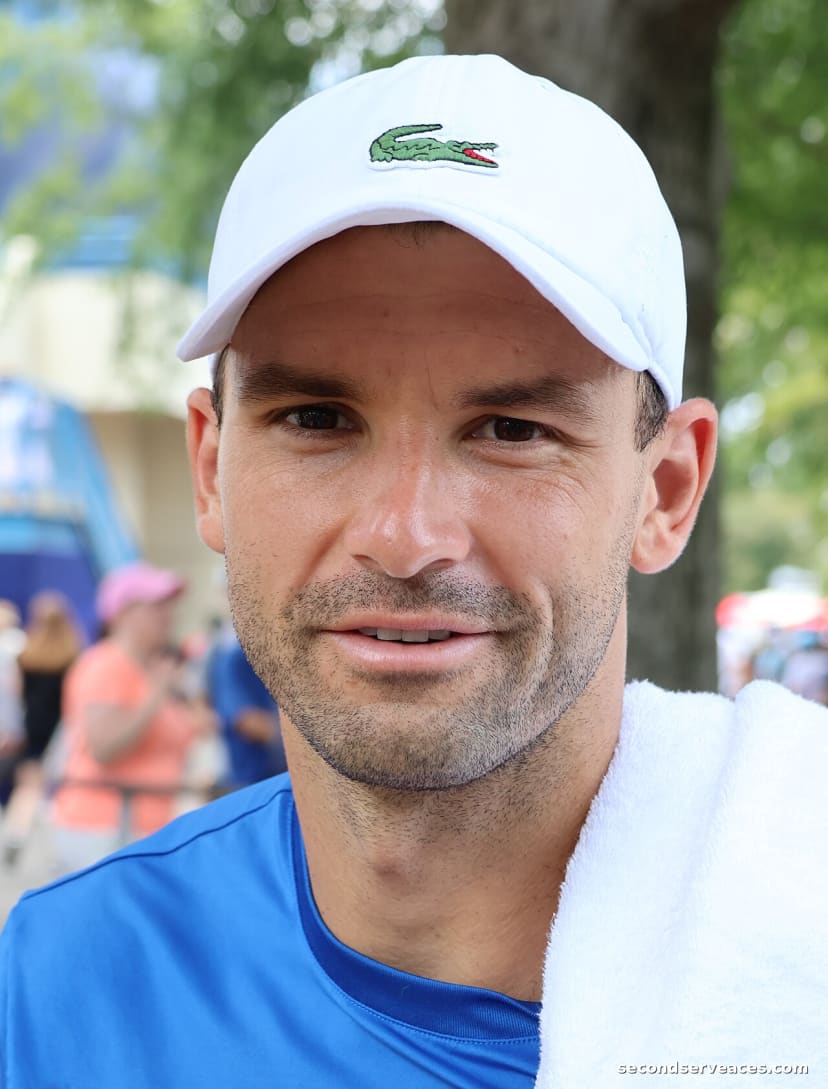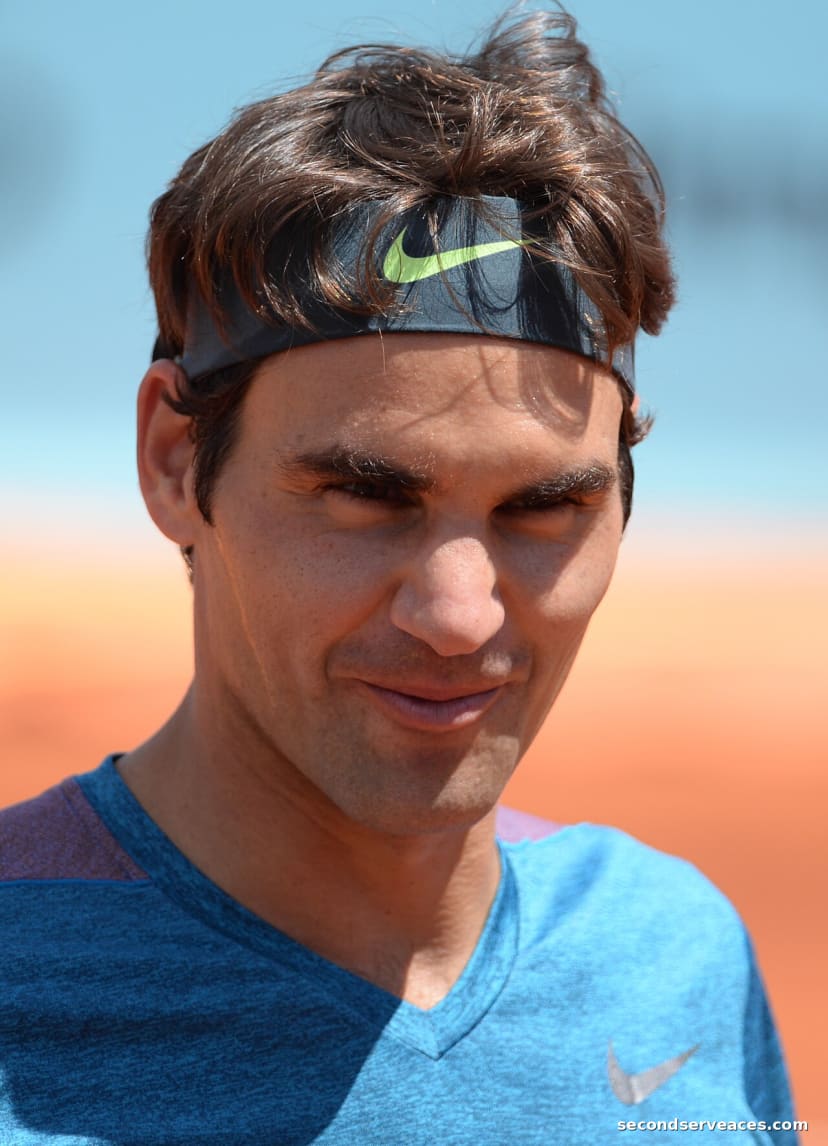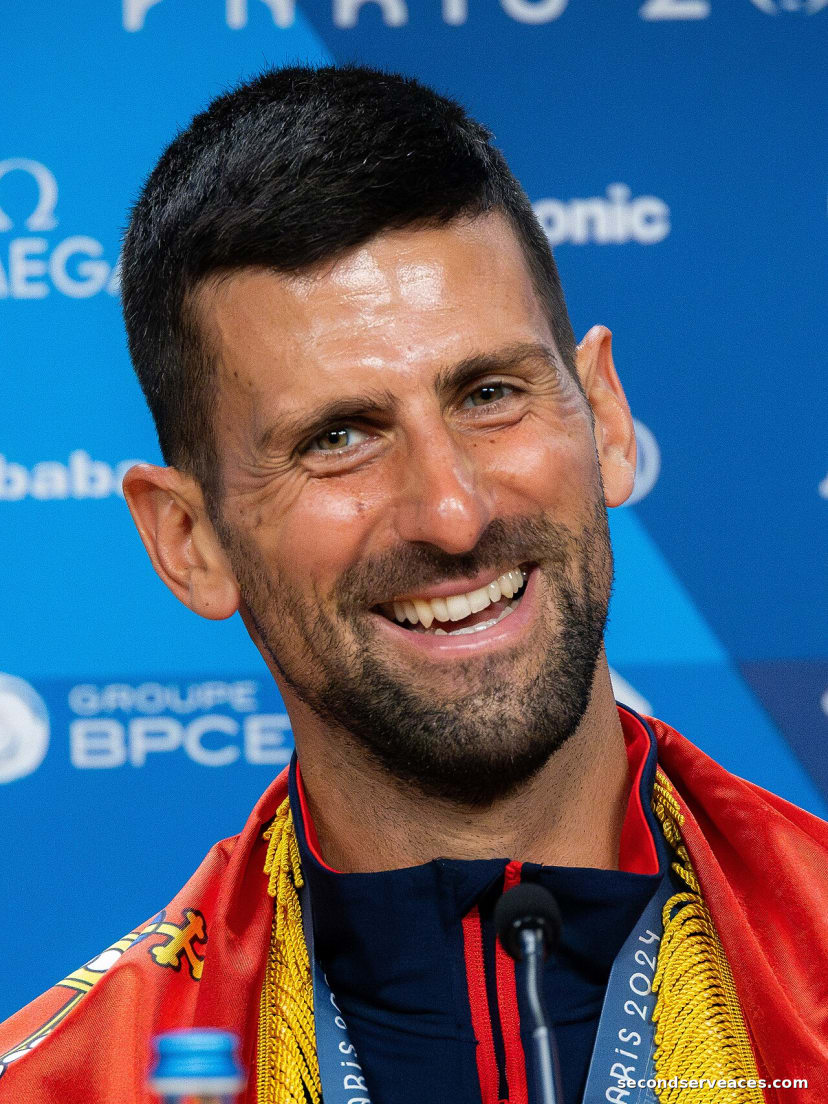
Enough is enough. After a grueling career battling both baseline giants and his own deteriorating body, David Goffin is officially hanging up his rackets at the end of the current season. The immediate culprit? A lingering knee injury that simply refuses to cooperate with the brutal demands of the modern ATP calendar. When your entire livelihood depends on explosive, split-second lateral movement, a compromised joint is a career death sentence.
Listen to the Second Serve Podcast
Get our daily AI-synthesized audio briefings and match reviews on the go.
The physical breakdown is a tragic but inevitable conclusion for a guy who squeezed every ounce of potential out of his frame. Goffin wasn’t gifted with the sheer physical dominance of a Novak Djokovic or the supernatural torque of a Carlos Alcaraz. Instead, he engineered his success through sheer tactical willpower, ultimately peaking at No. 7 in the world and etching his name in the history books as the very first Belgian man to crack the world’s top 10.
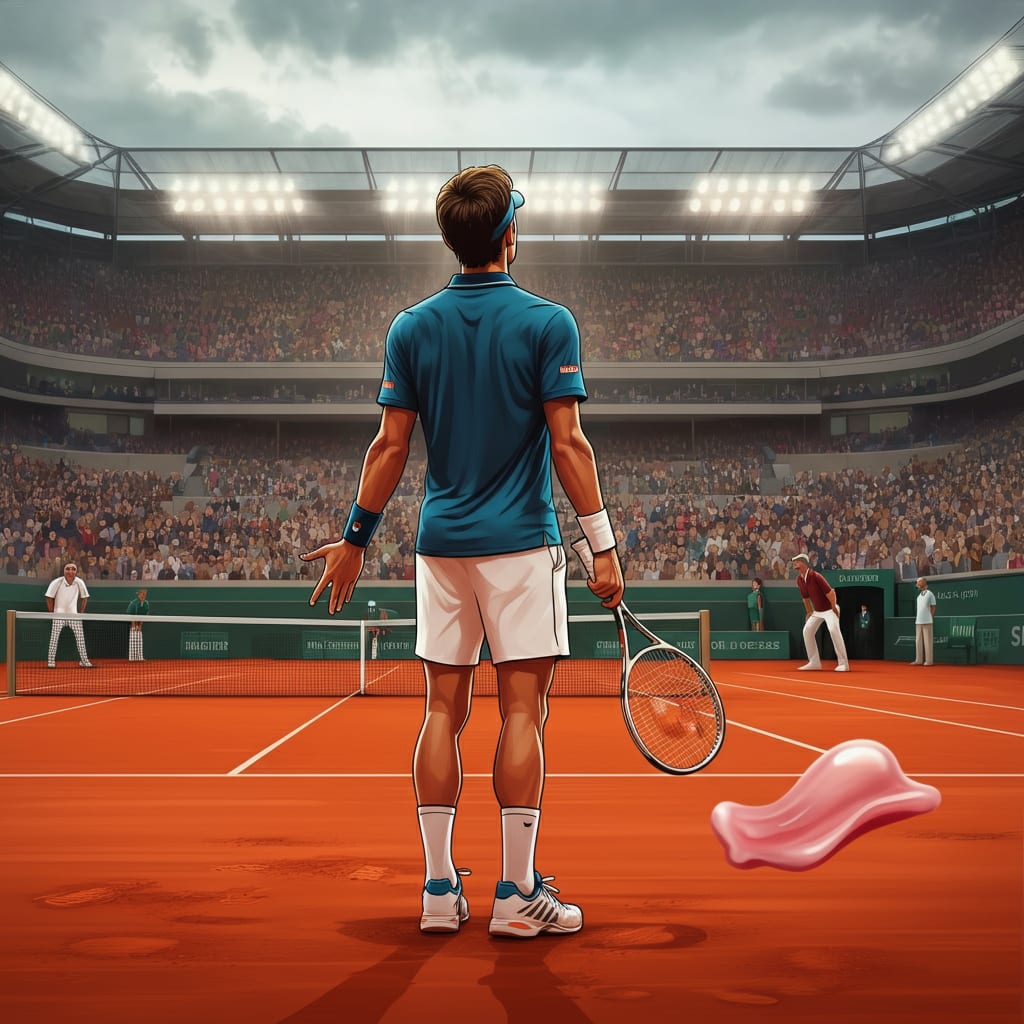
Let’s talk about Paris, because you simply cannot discuss the twilight of Goffin’s career without addressing the absolute circus that unfolded at the 2024 French Open. During his grueling five-set victory over the towering Giovanni Mpetshi Perricard, the Parisian crowd crossed the line from passionately partisan to outright toxic. We aren't talking about loud cheering during serves. We are talking about total, unadulterated disrespect, culminating in a spectator literally spitting chewing gum at the Belgian veteran.
Are you kidding me? A player bleeds on the red clay for five sets, and he gets assaulted with discarded candy? Naturally, a Roland-Garros spokesperson scurried to the nearest microphone to publicly respond, issuing a thoroughly sterilized reminder for fans to "respect players and adhere to the values of tennis." Give me a break. A polite press release doesn't stop a hostile mob, and it certainly didn't erase the bitter taste of that afternoon for Goffin.
The Tactical Breakdown
If you want to understand why Goffin's knees finally gave out, you have to look at the mechanics of his success. The Belgian didn't retreat to the fences to buy time like a typical clay-court grinder. His entire tactical identity was anchored in baseline proximity. He took the ball absurdly early, absorbing the opponent's pace and redirecting it into the open court before they had time to recover their footing.
Look at how he dismantled Mpetshi Perricard in that hostile Paris environment. The Frenchman possesses a terrifyingly heavy serve, a weapon designed to push returners onto their heels. Goffin countered this by refusing to yield ground. He utilized short, compact backswings and world-class eye-hand coordination to block the ball deep. By constantly playing inside the baseline, he robbed bigger hitters of their most precious resource: time.
- Early Ball Striking: Goffin neutralized power by hitting the ball on the rise, effectively using the server's own velocity against them.
- Court Geometry: His lateral angles forced heavier, taller opponents into side-to-side sprints, draining their legs in extended five-set formats.
- Physical Cost: This hyper-aggressive positioning requires flawless footwork. Every sudden stop and explosive change of direction placed immense torque on his knees, directly contributing to the injury that forced his retirement.
You simply cannot play that brand of high-wire, split-step tennis indefinitely. The bill eventually comes due, and for Goffin, the currency was cartilage.
The Bigger Picture
Goffin’s exit marks the fading of a very specific era of professional tennis. He cut his teeth and achieved his greatest heights during the absolute zenith of the "Big Three." While Roger Federer, Rafael Nadal, and Novak Djokovic were monopolizing the Grand Slam hardware, players like Goffin were left to scrap for the remaining oxygen in the room. Achieving a No. 7 ranking during that specific decade required an extraordinary level of week-in, week-out consistency.
Today's tour is shifting violently toward overwhelming, raw power. We are watching the likes of Jannik Sinner and Alcaraz bludgeon the ball with unprecedented spin rates, while WTA stars like Aryna Sabalenka and Coco Gauff redefine the physical parameters of the women's game. In this rapidly accelerating landscape, the nuanced, timing-based precision of a David Goffin is becoming a lost art.
Ultimately, his retirement should also force a serious reckoning regarding stadium environments. The incident at Roland-Garros wasn't an isolated anomaly; it was a symptom of an escalating problem across the sport. If the ATP and tournament organizers don't start aggressively policing crowd behavior, the inmates are going to completely take over the asylum. Goffin deserved a victory lap devoid of flying chewing gum, but he leaves behind a legacy of brilliant, uncompromising tennis that outshines the ugliness of his final Parisian chapter.
What Jannik Sinner Plays With
Head Speed MP 2024
Head Hawk Touch 1.25
Head Prime Tour (12-Pack)
Nike GP Challenge 1
Analyze David Goffin vs. Giovanni Mpetshi Perricard
Predict tactical adjustments, momentum swings, and serve strategy options for this match-up using our AI simulator.
The Aces Tactical Panel
This report was curated and edited by Bhaskar Goel. Tactical analysis and technical insights were provided by our specialized panel of expert correspondents.
Julian Price
Senior Tactical Correspondent
Stuffy, pedantic British academic and historian specializing in match momentum and historical context.
Elena Cruz
Director of Analytical Research
Data scientist specializing in court surface physics and movement patterns.
Bhaskar
The Editor & Fan
Passionate tennis player and site editor bringing everyday amateur insights and relatable fan commentary.
Arthur Vance
Senior Existential Analyst
Deep, eccentric, and DFW-inspired. Models court metaphysics, kinetic beauty, and player psychology.
Leo Sterling
High-Performance Consultant
Hard-nosed ex-trainer from Melbourne with a no-nonsense view on tour fitness.