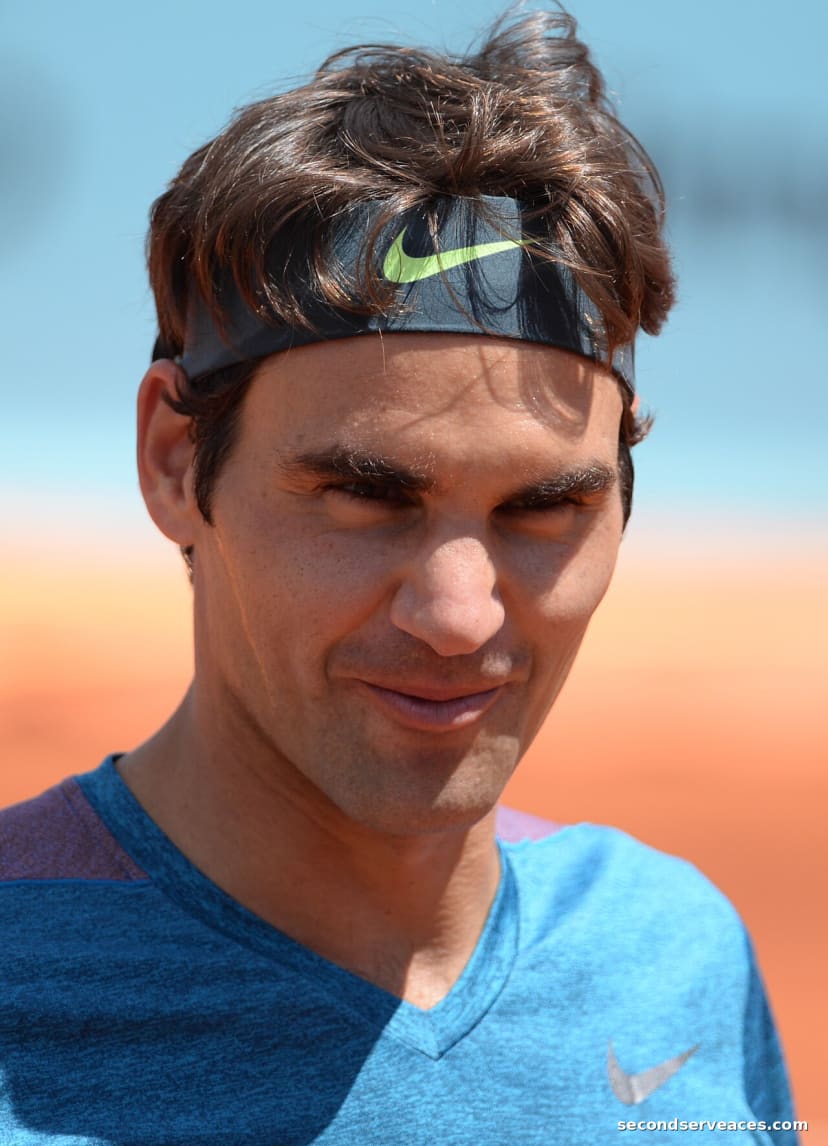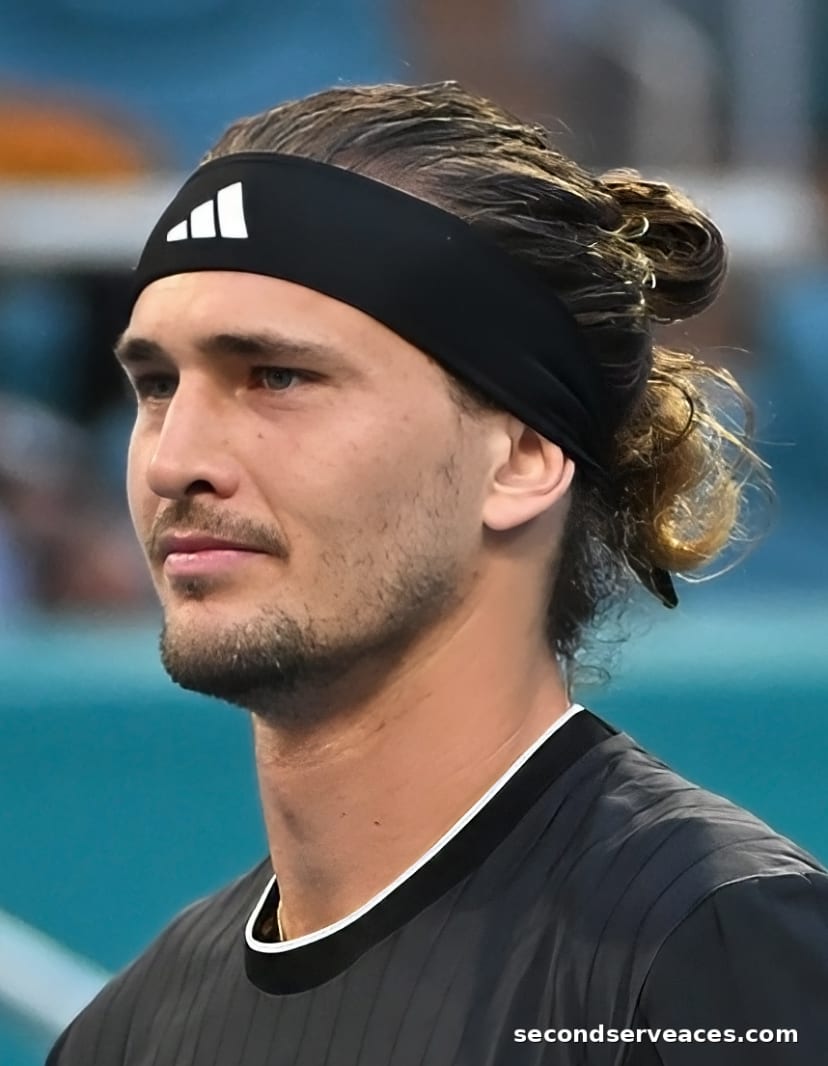
Tennis is a brutal mirror. Long before the mind is ready to surrender, the body starts keeping a meticulous tally of the miles, the hard stops, and the sheer torque required to survive on the professional circuit. For 17 years, David Goffin has stared into that mirror and willed himself into the absolute elite. Now, the Belgian veteran has decided to stop the clock.
Listen to the Second Serve Podcast
Get our daily AI-synthesized audio briefings and match reviews on the go.
Through a deeply personal video message, Goffin officially announced his impending retirement, confirming that this current campaign will be his final season on the ATP Tour. He will walk away with a resume that commands absolute respect in the locker room, concluding a career defined not by overwhelming physical force, but by a relentless, punishing intellect.
The Weight of 17 Years
Surviving nearly two decades on the professional tour is an exercise in pain management and tactical evolution. Goffin didn't just survive; he thrived in the most challenging era the sport has ever seen. Reaching a career-high ranking of world No. 7, he accumulated six ATP titles and carved out a reputation as a giant-killer.
To understand the caliber of Goffin's peak, you only need to look at his hit list. He amassed 21 career victories over top-ten opponents. This isn't a padded statistic; he actively dismantled the pillars of the sport, securing wins over Roger Federer, Rafael Nadal, and Novak Djokovic. Beating the Big 3 requires more than a hot hand—it requires a profound belief in your own geometric mastery of the court.
The Tactical Breakdown
When analyzing Goffin's game, the first thing that jumps out is his baseline positioning. Historically, players who lack the raw, overwhelming power of a Del Potro or the towering serve of a Zverev have to find other ways to steal time. Goffin achieved this by taking the ball excruciatingly early.
Instead of retreating to absorb heavy topspin, Goffin hugged the baseline. He functioned as a human backboard, utilizing exceptional hand-eye coordination to redirect pace. By stepping into the court, he consistently rushed his opponents, cutting their recovery time in half. This early ball-striking was his primary engine for generating match momentum. You could see the frustration build in his opponents when their heaviest shots came back at them with a flatter, sharper trajectory before they had even finished their follow-through.
Carlos Alcaraz experienced this suffocation firsthand. After losing to the Belgian in Miami last year, the young Spaniard candidly named Goffin as one of his toughest opponents. Against Alcaraz, Goffin refused to let the dynamic prodigy dictate the terms of engagement. He attacked the geometry of the court, consistently finding sharp angles that forced Alcaraz into awkward, defensive postures, particularly on crucial points. Whenever a vital break point materialized, Goffin didn't rely on a massive serve; he relied on tactical clarity and an unyielding rally tolerance, daring his opponent to pull the trigger too early.
The Bigger Picture
Goffin’s departure marks the twilight of a specific archetype in modern tennis. We are witnessing the fading of the pure counter-punching tactician who survived the era of the Big 3. To carve out a No. 7 ranking and six titles when Federer, Nadal, Djokovic, and Murray were hoarding almost all available hardware is a monumental feat of endurance.
- Adaptability across eras: Goffin's career spanned the absolute peak of the Big 3 and the violent emergence of the Alcaraz/Sinner generation.
- The physical toll: Playing a style entirely reliant on footwork, anticipation, and early timing guarantees physical deterioration. His retirement is a natural conclusion to a body pushed to its absolute kinetic limits.
- The legacy: He leaves behind a blueprint for smaller, less physically imposing players on how to dismantle titans through court positioning and sheer grit.
As the Belgian navigates this final lap around the globe, the focus shifts from chasing ranking points to a well-earned farewell. The locker room knows exactly what it is losing: a consummate professional, a brilliant tactician, and a player who turned the geometry of a tennis court into a weapon of mass disruption. The grind is almost over, but the respect he engineered will linger long after his final swing.
What Carlos Alcaraz Plays With
Babolat Pure Aero 98
Babolat RPM Blast 1.30
Babolat VS Original (12-Pack)
Nike Vapor Pro 2
Analyze David Goffin vs. Roger Federer
Predict tactical adjustments, momentum swings, and serve strategy options for this match-up using our AI simulator.
The Aces Tactical Panel
This report was curated and edited by Bhaskar Goel. Tactical analysis and technical insights were provided by our specialized panel of expert correspondents.
Julian Price
Senior Tactical Correspondent
Stuffy, pedantic British academic and historian specializing in match momentum and historical context.
Elena Cruz
Director of Analytical Research
Data scientist specializing in court surface physics and movement patterns.
Bhaskar
The Editor & Fan
Passionate tennis player and site editor bringing everyday amateur insights and relatable fan commentary.
Arthur Vance
Senior Existential Analyst
Deep, eccentric, and DFW-inspired. Models court metaphysics, kinetic beauty, and player psychology.
Leo Sterling
High-Performance Consultant
Hard-nosed ex-trainer from Melbourne with a no-nonsense view on tour fitness.