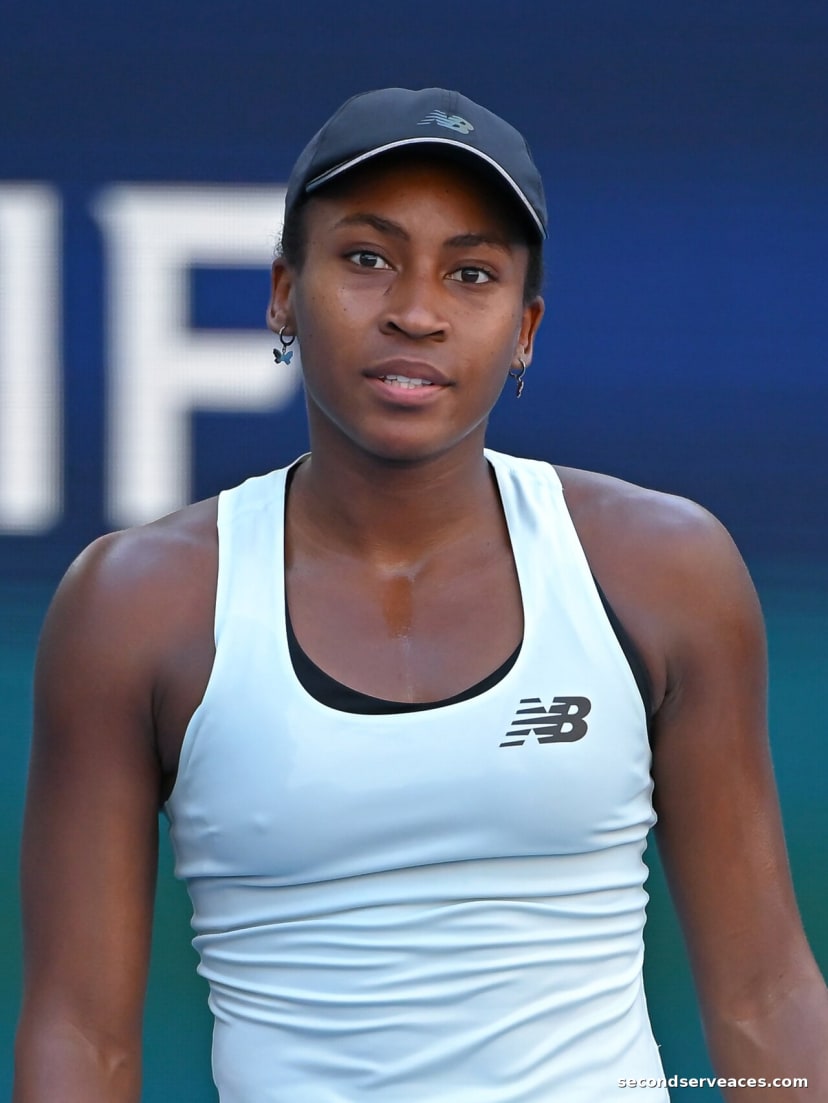
Let’s get one thing straight—you cannot fake the kind of baseline authority we just witnessed in South Florida. Coco Gauff didn't just beat Karolina Muchova; she dismantled her, straight sets, no chaser. Dropping a staggering total of two games across the entire match, the American booked her ticket to the Miami Open final with a terrifying level of efficiency.
Listen to the Second Serve Podcast
Get our daily AI-synthesized audio briefings and match reviews on the go.
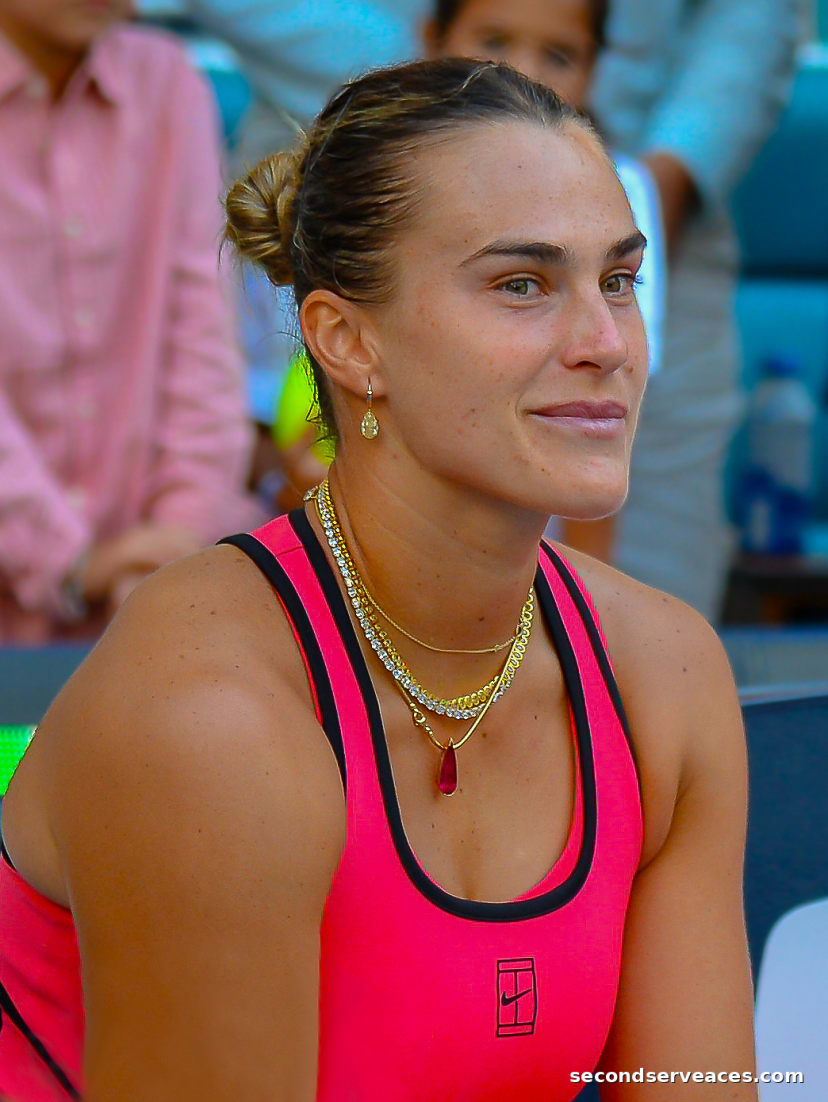
You want high-stakes drama? We have it. By reaching the championship match, Gauff is now competing for her very first WTA title of the 2026 calendar year. Waiting for her on the other side of the net? Aryna Sabalenka. If you aren't already clearing your schedule for this final, you simply don't understand professional tennis.
The Ranking Shakeup: By The Numbers
The sheer math behind this semifinal victory fundamentally alters the WTA landscape. Gauff didn’t just win a tennis match; she executed a ranking coup. Here is exactly what the hard-court carnage in Miami produced:
- 530 WTA Tour Points: The exact haul Gauff collected by advancing to the final.
- Ascending to No. 3: The points injection catapulted Gauff up the ladder, brutally dropping Iga Swiatek down two places in the process.
- Razor-Thin Margins: Currently, a microscopic 15 WTA Tour ranking points separate Coco Gauff and Iga Swiatek. You read that correctly—15 points.
- The Summit is in Sight: If Gauff hoists the Miami Open trophy, she will leapfrog Paula Badosa to seize the World No. 1 ranking.
The Tactical Breakdown
Seven consecutive victories against a single opponent isn't a fluke; it's a structural matchup nightmare. Gauff has now beaten the Czech star seven straight times, and tactically, it is entirely rooted in court geometry and lateral quickness.
Karolina Muchova is one of the most brilliant all-court players on the tour. She relies on variety, utilizing heavy slice, sharp angles, and perfectly timed net approaches to disrupt baseline rhythm. But how do you disrupt a player who tracks down every single extra ball? Gauff’s world-class athleticism completely neutralizes Muchova's drop shots and slice approaches. When Muchova tries to pull the American forward, Gauff arrives with enough time to dictate the passing shot, often relying on her lethal backhand down the line.
Furthermore, Gauff’s heavy topspin off the forehand wing pushed Muchova deep behind the baseline, entirely taking away the Czech player's ability to dictate play from the center of the court. You cannot slice your way through a brick wall, and right now, Gauff’s baseline defense is impenetrable.
The Bigger Picture
Now we look to the championship round against Aryna Sabalenka, and the stylistic contrast couldn't be more compelling. We are looking at the classic battle of immovable object versus unstoppable force.
Sabalenka wants to end points in three shots or fewer. She hits through the hard court with blistering flat power, aiming to overwhelm opponents before they can establish their defensive footing. Gauff, conversely, extends the rallies, forcing big hitters to play one or two extra balls per point. Historically, this dynamic demands absolute perfection from the aggressive player; if Sabalenka's unforced error count ticks up even slightly, Gauff will ruthlessly exploit the dip in form.
Beyond the tactics, the pressure cooker of the WTA rankings is boiling over. Leapfrogging Swiatek is an accomplishment in itself, but the ultimate prize remains the crown currently held by Paula Badosa. Gauff has spent years refining her serve, trusting her forehand, and building a tactical identity that holds up under pressure. Sunday’s final isn't just about a trophy in Miami. It is a battle for the absolute pinnacle of the sport. The officiating better be sharp, the lines better be accurate, and the crowd better be ready, because this is exactly the kind of match that defines a season.
What Coco Gauff Plays With
Head Boom MP 2024
Head Lynx Tour 1.25
Head Prime Tour (12-Pack)
Analyze Coco Gauff vs. Iga Swiatek
Predict tactical adjustments, momentum swings, and serve strategy options for this match-up using our AI simulator.
The Aces Tactical Panel
This report was curated and edited by Bhaskar Goel. Tactical analysis and technical insights were provided by our specialized panel of expert correspondents.
Julian Price
Senior Tactical Correspondent
Stuffy, pedantic British academic and historian specializing in match momentum and historical context.
Elena Cruz
Director of Analytical Research
Data scientist specializing in court surface physics and movement patterns.
Bhaskar
The Editor & Fan
Passionate tennis player and site editor bringing everyday amateur insights and relatable fan commentary.
Arthur Vance
Senior Existential Analyst
Deep, eccentric, and DFW-inspired. Models court metaphysics, kinetic beauty, and player psychology.
Leo Sterling
High-Performance Consultant
Hard-nosed ex-trainer from Melbourne with a no-nonsense view on tour fitness.