Technical Inconsistencies Emerge on the Dirt
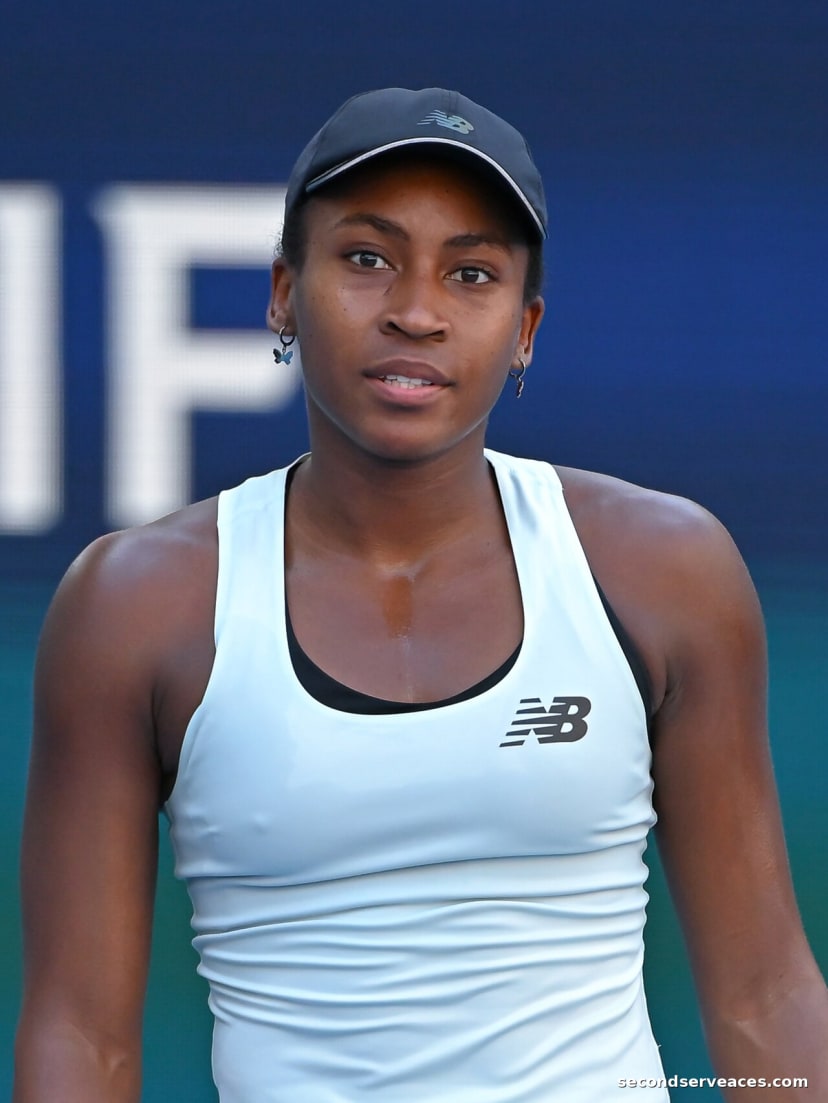
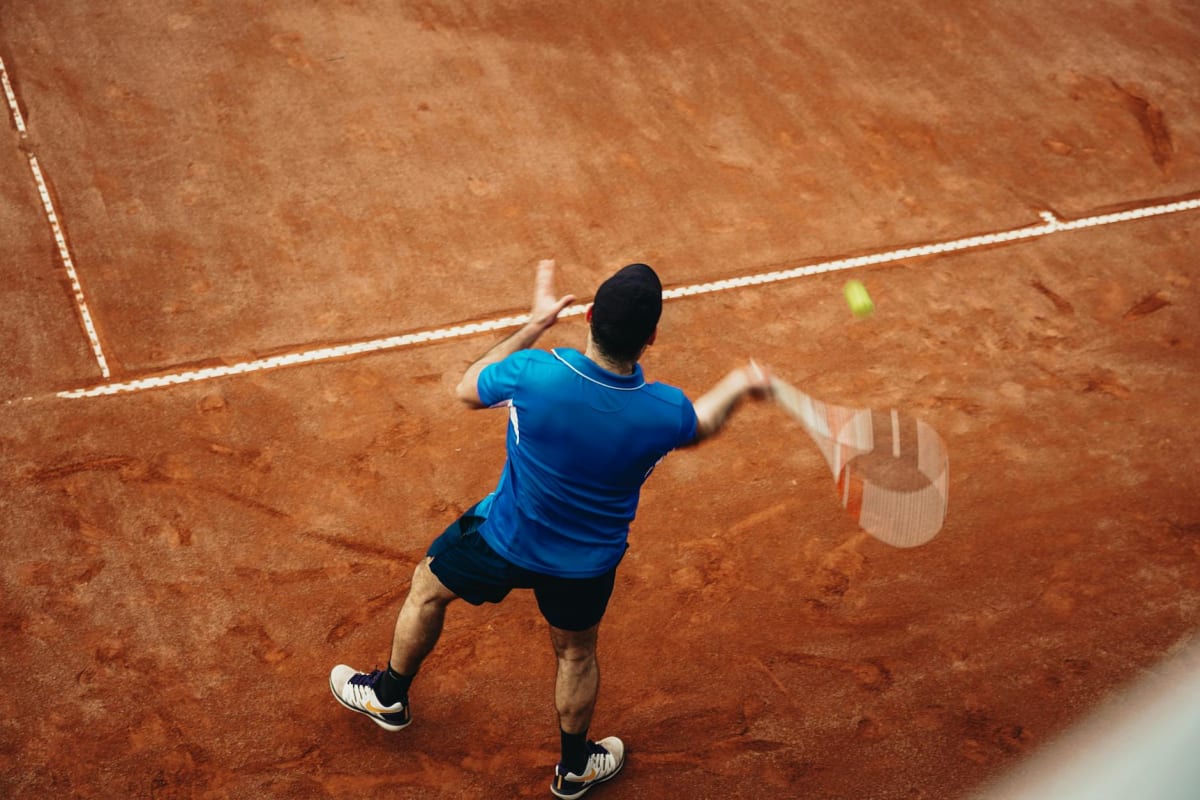
After a labor-intensive three-set outing against Solana Sierra at the Italian Open, the spotlight on Coco Gauff has shifted from the win column to the biomechanical. As the current world number four, Gauff’s movement patterns on the red clay are being dissected by fans and analysts alike, with social media discourse heavily zeroing in on her footwork stability during defensive transitions. The surface-specific demand of the clay requires a more sophisticated sliding technique and refined recovery steps, elements that appeared disjointed during her most recent engagement.
Listen to the Second Serve Podcast
Get our daily AI-synthesized audio briefings and match reviews on the go.
The stakes in Rome are more than just about advancing through the bracket. With the defense of her French Open title looming, the pressure to calibrate her technical floor is immense. Gauff currently sits in a position where she must replicate the Jessica Pegula advancement trajectory just to safeguard her current standing in the WTA rankings. This creates a high-pressure environment where every point won off a shaky second serve or a rushed backhand adds fuel to the narrative that her technical ceiling has not yet reached its apex.
The Path Ahead: Navigating the Jovic Challenge
Looking toward the fourth round, the draw presents an intriguing tactical test against Iva Jovic. Gauff cannot afford the same lack of rhythm she exhibited against Sierra if she intends to stay clear of the baseline-centric pressure that her younger opponent will likely apply. Success at the French Open is predicated on the ability to dominate center court, but that dominance begins with the precision of her split-step and the efficacy of her cross-court topspin loops.
The criticism regarding her consistency is not merely noise; it reflects the elite standard expected of a Grand Slam champion. To quiet the skepticism, Gauff must focus on shortening the transition between her serve and the first groundstroke, ensuring that her footwork facilitates a stable hitting base rather than forcing her to adjust mid-swing. With the field as deep as it is, the margin for error is razor-thin.
What Coco Gauff Plays With
Head Boom MP 2024
Head Lynx Tour 1.25
Head Prime Tour (12-Pack)
Analyze Coco Gauff vs. Solana Sierra
Predict tactical adjustments, momentum swings, and serve strategy options for this match-up using our AI simulator.
The Aces Tactical Panel
This report was curated and edited by Bhaskar Goel. Tactical analysis and technical insights were provided by our specialized panel of expert correspondents.
Julian Price
Senior Tactical Correspondent
Stuffy, pedantic British academic and historian specializing in match momentum and historical context.
Elena Cruz
Director of Analytical Research
Data scientist specializing in court surface physics and movement patterns.
Bhaskar
The Editor & Fan
Passionate tennis player and site editor bringing everyday amateur insights and relatable fan commentary.
Arthur Vance
Senior Existential Analyst
Deep, eccentric, and DFW-inspired. Models court metaphysics, kinetic beauty, and player psychology.
Leo Sterling
High-Performance Consultant
Hard-nosed ex-trainer from Melbourne with a no-nonsense view on tour fitness.