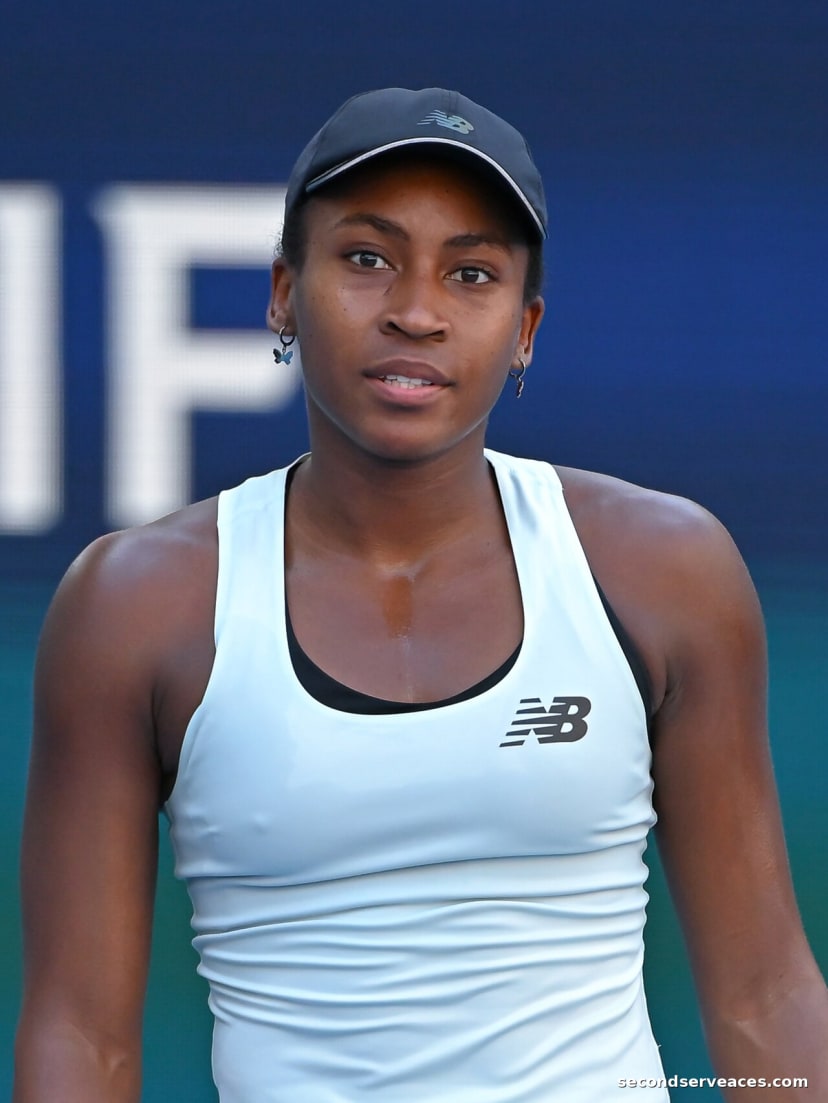
When the medical team advises you to pack your bags, the standard operating procedure is to listen. Coco Gauff opted for a vastly different route. Ignoring the initial advice from her camp following a left arm nerve injury—the exact ailment that forced her mid-match retirement against Alexandra Eala at Indian Wells—the American phenom steamrolled Karolina Muchova 6-1, 6-1 to book her first Miami Open final ticket.
Listen to the Second Serve Podcast
Get our daily AI-synthesized audio briefings and match reviews on the go.
This wasn't merely a victory; it was a surgical dissection of an opponent. Gauff shredded Muchova’s service games, converting six crucial break points in a match that felt over before the crowd had fully settled. She backed up that lethal return pressure by winning 77 percent of her own first-serve points, completely smothering any chance for the Czech player to build match momentum. With the win, Gauff stretches her flawless head-to-head record against Muchova to an intimidating 6-0.
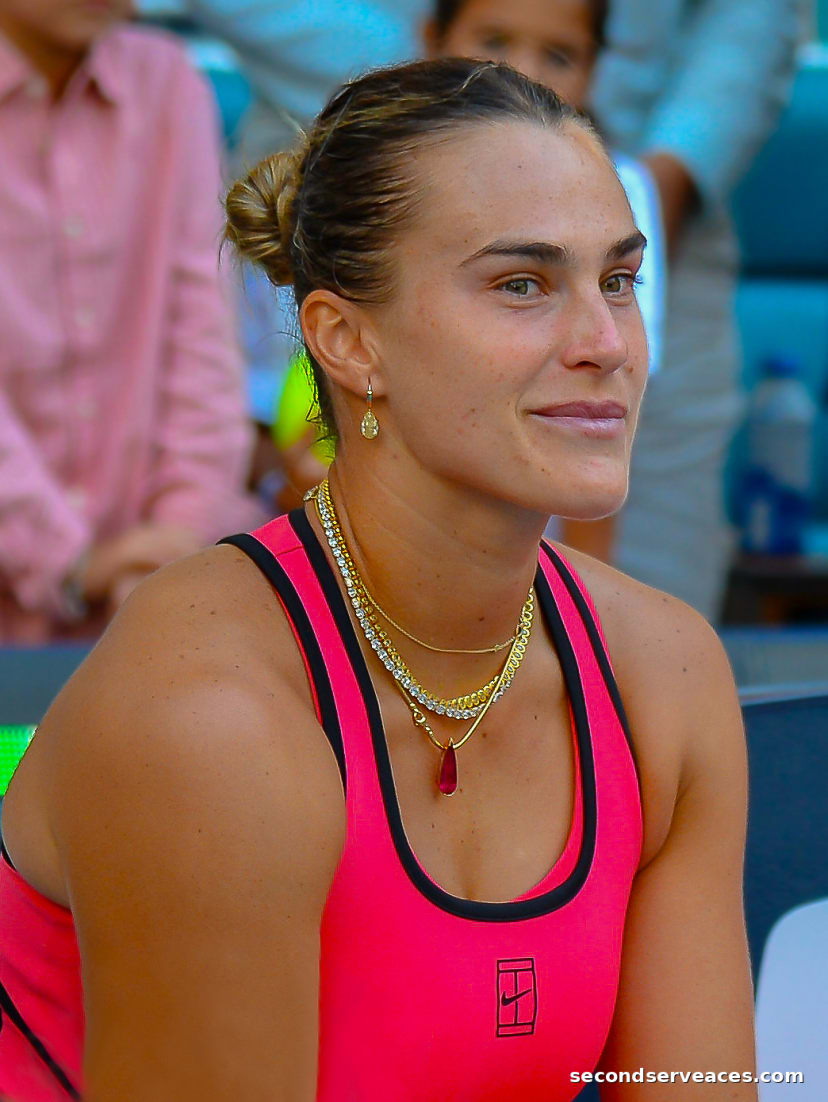
Now, the stage is set for a heavyweight title clash. Gauff awaits the survivor of the other semifinal, where defending champion Aryna Sabalenka squares off against Elena Rybakina.
The Tactical Breakdown
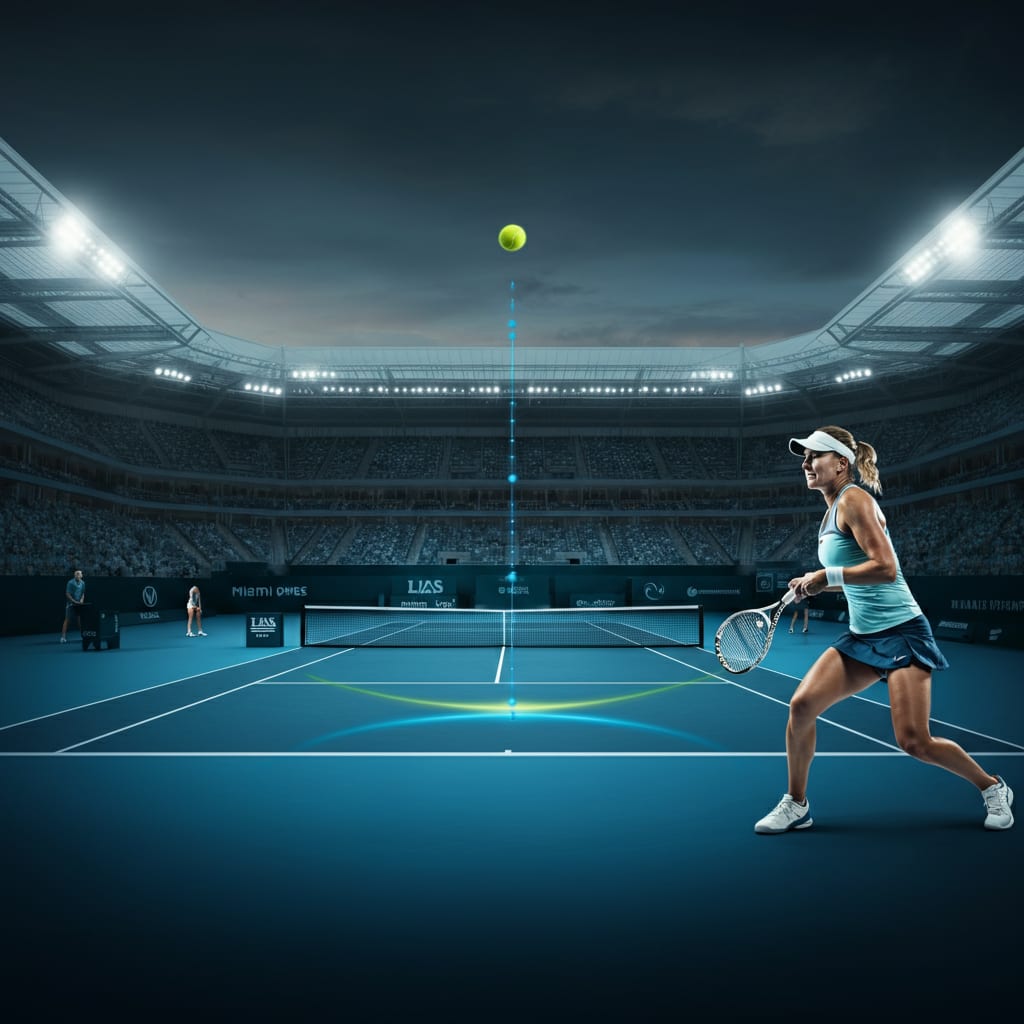
How exactly does a player nursing a compromised left arm dictate play so ruthlessly? It all comes down to court geometry and the aggressive neutralization of the opponent's strongest assets. Muchova is inherently a shot-maker. She thrives on variety, utilizing biting slices, calculated net approaches, and off-pace angles to disrupt her opponent's rhythm.
To counter this, Gauff employed a suffocating baseline strategy. Rather than allowing Muchova the time to construct points, Gauff consistently drove heavy topspin deep into the corners, pinning the Czech firmly behind the baseline. By maximizing the depth on her returns, Gauff effectively eliminated Muchova’s transitional game. You simply cannot chip-and-charge when the ball is landing an inch inside the baseline.
- First-Serve Efficiency: Gauff's 77 percent success rate on her first serve indicates highly calculated placement patterns. Rather than chasing pure velocity—which could agitate her nerve injury—she relied on precision.
- Return Pressure: Breaking a tour-level opponent six times in a two-set match requires elite anticipation. Gauff repeatedly stepped inside the baseline on second serves, rushing Muchova's split-step and forcing immediate defensive replies.
- Rally Tolerance: Gauff maintained supreme discipline during cross-court exchanges, refusing to pull the trigger early and forcing Muchova into low-percentage defensive errors.
Sliding the ball out wide on the deuce court and jamming the body on the ad side kept Muchova off-balance all afternoon. It was a clinic in playing the percentages while applying unrelenting physical pressure.
The Bigger Picture
Looking beyond the confines of the Hard Rock Stadium, this result underscores a crucial maturation in Gauff's career trajectory. Historically, young phenoms struggle with injury management. The temptation to overplay or, conversely, the failure to adapt one's game when physically compromised, can derail entire seasons. Gauff’s ability to pivot from a distressing retirement in Indian Wells to a dominant final in Miami speaks volumes about her physical resilience and the strategic adaptability of her coaching team.
Her arrival in this final also carries historical weight, echoing the deep Miami tournament runs of American legend Serena Williams. Gauff is now positioned to secure a marquee title in front of an adoring home crowd, stepping firmly into the spotlight Williams occupied for so long on these very hard courts.
Then there is the psychological weight of that 6-0 head-to-head record. In professional tennis, matchups dictate outcomes as much as raw rankings. Owning an opponent across multiple surfaces and conditions provides a massive psychological buffer before the coin toss even happens. Muchova stepped onto the court knowing she had never solved the Gauff puzzle, and the American exploited that underlying hesitation instantly.
Looking ahead to the championship match against either Sabalenka or Rybakina, the tactical paradigm will shift completely. Both potential opponents are pure baseline ball-strikers who look to end points early with sheer velocity. Gauff will need to transition from the role of the outright aggressor—which she played beautifully today—back to her elite counter-punching roots. If her left arm holds up to the heavy artillery of the WTA's biggest hitters, we are about to witness a highly strategic battle for the Miami crown.
What Coco Gauff Plays With
Head Boom MP 2024
Head Lynx Tour 1.25
Head Prime Tour (12-Pack)
Analyze Coco Gauff vs. Karolina Muchova
Predict tactical adjustments, momentum swings, and serve strategy options for this match-up using our AI simulator.
The Aces Tactical Panel
This report was curated and edited by Bhaskar Goel. Tactical analysis and technical insights were provided by our specialized panel of expert correspondents.
Julian Price
Senior Tactical Correspondent
Stuffy, pedantic British academic and historian specializing in match momentum and historical context.
Elena Cruz
Director of Analytical Research
Data scientist specializing in court surface physics and movement patterns.
Bhaskar
The Editor & Fan
Passionate tennis player and site editor bringing everyday amateur insights and relatable fan commentary.
Arthur Vance
Senior Existential Analyst
Deep, eccentric, and DFW-inspired. Models court metaphysics, kinetic beauty, and player psychology.
Leo Sterling
High-Performance Consultant
Hard-nosed ex-trainer from Melbourne with a no-nonsense view on tour fitness.