The Mathematics of Discontent: Prize Pool versus Player Equity
The French Open is entering a period of significant labor volatility as we look toward the 2026 edition in Paris. While tournament organizers tout a total prize pool of €61.7 million—a 10 percent headline increase from the previous cycle—the optics on the tour are rapidly souring. The friction point isn't the absolute number; it is the percentage of total tournament revenue allocated to the athletes.
Listen to the Second Serve Podcast
Get our daily AI-synthesized audio briefings and match reviews on the go.
Data indicates that the players' share of Roland-Garros income is trending in the wrong direction. Projections suggest a decline from 15.5 percent in 2024 to 14.9 percent in 2026. For top-tier professionals, this represents a structural pivot where their earnings growth is being decoupled from the tournament's broader commercial expansion.
This isn't merely about baseline compensation; it is about the long-term governance of the sport. Players argue that if the tournament's commercial intake is expanding, the athlete's slice of that pie should remain stable or grow in tandem, not face a regression. When the math doesn't align with the labor reality, the collective bargaining power of the field becomes the only remaining lever to pull.
The Strategic Collective: Why Sabalenka and Sinner are Aligning
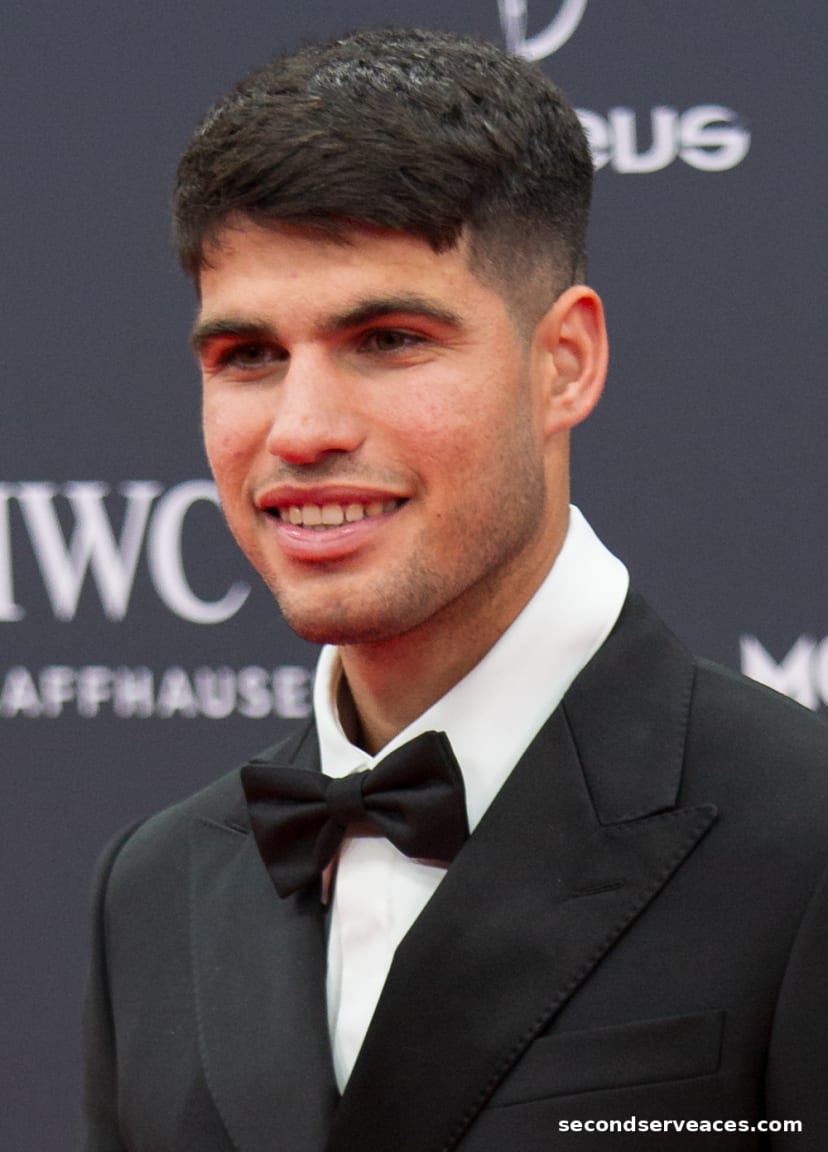
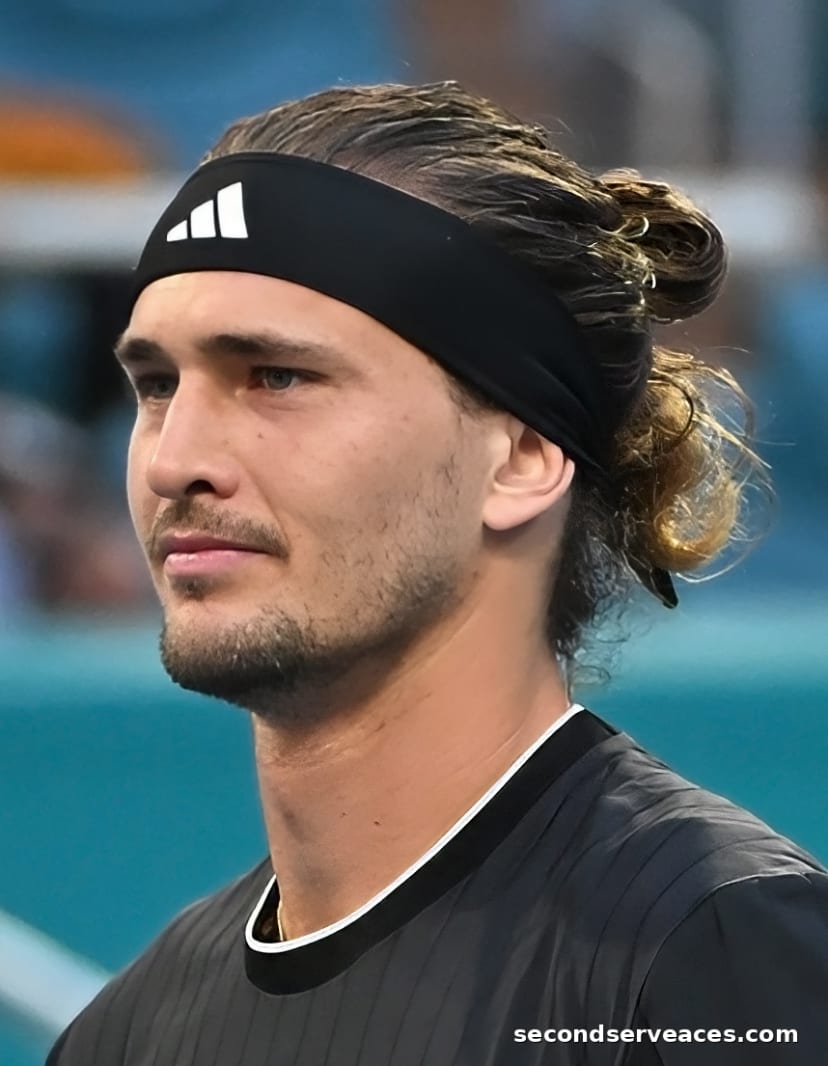
The coalition forming around this issue is unprecedented in its reach across both the WTA and ATP Tour. The involvement of Aryna Sabalenka, Jannik Sinner, Coco Gauff, and Iga Swiatek signals a shift from passive frustration to active demand for a seat at the table. These are not just names on a draw sheet; they are the primary draw for the tournament's television contracts and sponsorship deals.
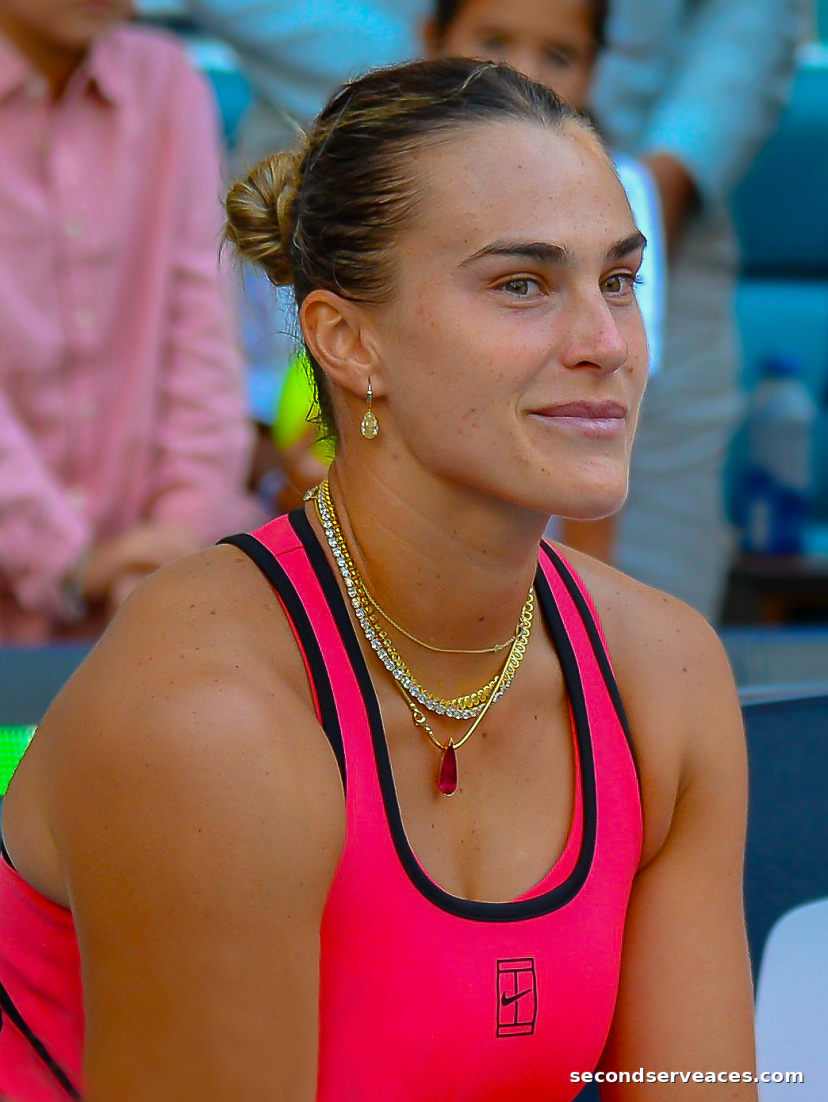
Sabalenka has been clear regarding the stakes, stating publicly that a player boycott will occur at some point if prize money percentages are not adjusted. Her stance highlights a growing impatience with the traditional governance model that has long relied on the assumption that stars will simply show up and compete regardless of the internal fiscal discord.
With names like Elena Rybakina and Jasmine Paolini also part of the discourse, the demographic range of this dissent covers almost every corner of the game’s elite tier. This isn't a localized issue; it is a fundamental challenge to the current financial structure of Grand Slam events.
The Calendar Constraints: Planning for a Paris Shutdown
The 2026 French Open is slated to occupy the window from May 24 through June 7. While this period is traditionally a cornerstone of the tennis calendar, the prospect of a labor action turns these dates into a high-stakes deadline. The administrative bodies now have a compressed timeframe to address the discrepancy between the 10 percent prize pool increase and the projected 0.6 percent decrease in revenue distribution.
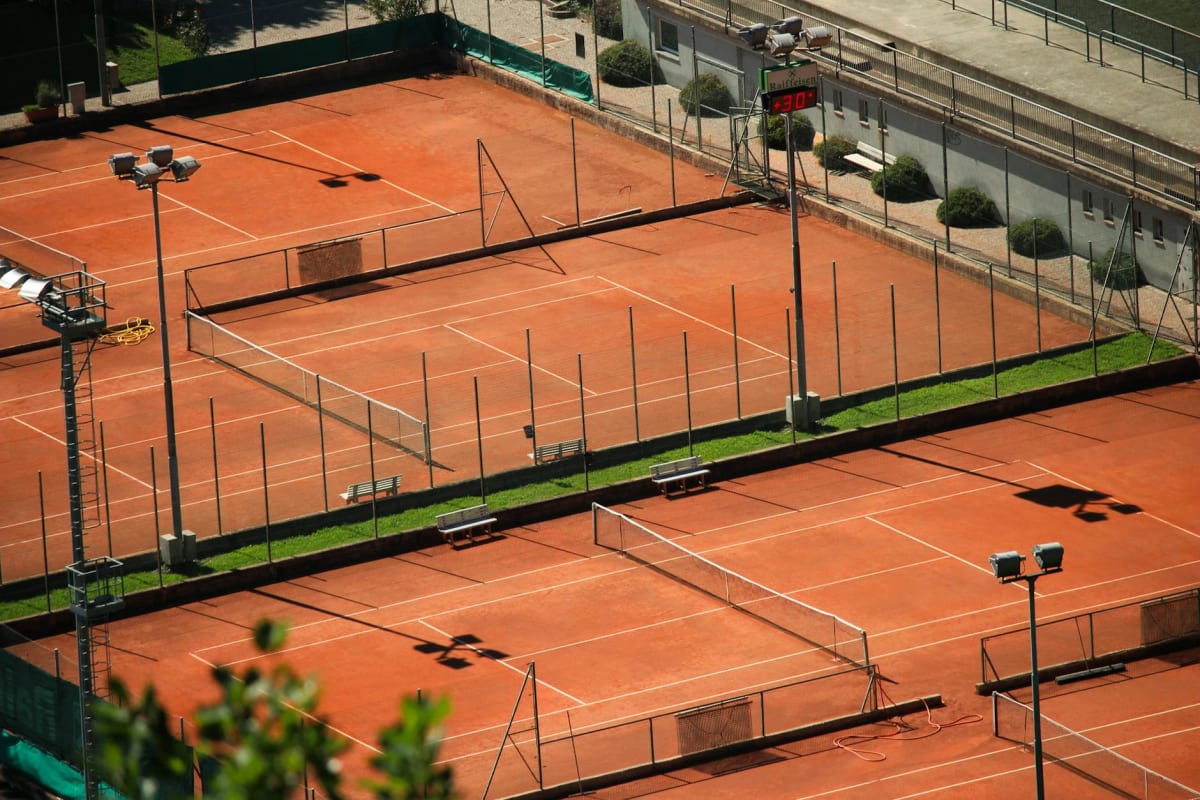
When athletes begin explicitly naming a boycott as the logical next step, it forces a change in the management's posture. Organizers can no longer rely on the prestige of the terre battue to suppress these conversations. The technical reality of clay-court play is grueling enough; adding the pressure of labor unrest to a two-week major creates a volatile environment for everyone involved.
Historical precedent shows that athlete organizations are rarely as coordinated as they are right now. The unified front presented by current top players suggests that this is not an idle threat. It is a calculated, strategic response to perceived inequities in how the sport's massive success is trickling down to those who sustain the product.
Defining the Future of Tournament Governance
The core demand here is transparency and equitable participation in the commercial growth of the sport. The players’ frustration stems from being the product—the engine of the match momentum that fans come to see—while feeling increasingly marginalized during budget negotiations. This is not just about the money; it is about the right to influence how the professional game functions.
If the 2026 French Open moves forward without addressing these underlying concerns, the sport risks a reputational hit that will echo far beyond the confines of the Parisian stadium. The ability to manage these relationships, and to ensure that prize money metrics align with the commercial reality, is now the most critical task for tournament directors.
As we monitor the situation, the question remains: will the sport's governing bodies pivot toward a more collaborative revenue model, or will they test the resolve of the players when the first ball is scheduled to be struck in May? The answer will dictate the competitive landscape for years to come.
What Aryna Sabalenka Plays With
Wilson Blade 98 v9 (16x19)
Luxilon ALU Power 125
Analyze Aryna Sabalenka vs. Jannik Sinner
Predict tactical adjustments, momentum swings, and serve strategy options for this match-up using our AI simulator.
The Aces Tactical Panel
This report was curated and edited by Bhaskar Goel. Tactical analysis and technical insights were provided by our specialized panel of expert correspondents.
Julian Price
Senior Tactical Correspondent
Stuffy, pedantic British academic and historian specializing in match momentum and historical context.
Elena Cruz
Director of Analytical Research
Data scientist specializing in court surface physics and movement patterns.
Bhaskar
The Editor & Fan
Passionate tennis player and site editor bringing everyday amateur insights and relatable fan commentary.
Arthur Vance
Senior Existential Analyst
Deep, eccentric, and DFW-inspired. Models court metaphysics, kinetic beauty, and player psychology.
Leo Sterling
High-Performance Consultant
Hard-nosed ex-trainer from Melbourne with a no-nonsense view on tour fitness.