The baseline isn't just painted white; it is currently a line in the sand. With the French Open looming on May 18, 2026, the rhetoric coming from the locker room has shifted from court speed and match tactics to the cold, hard mechanics of revenue distribution. We are witnessing a fundamental recalibration of player rights, led by heavy hitters who are finally turning their tactical intensity toward the boardroom.
Listen to the Second Serve Podcast
Get our daily AI-synthesized audio briefings and match reviews on the go.
The Shrinking Share of Revenue at Roland-Garros
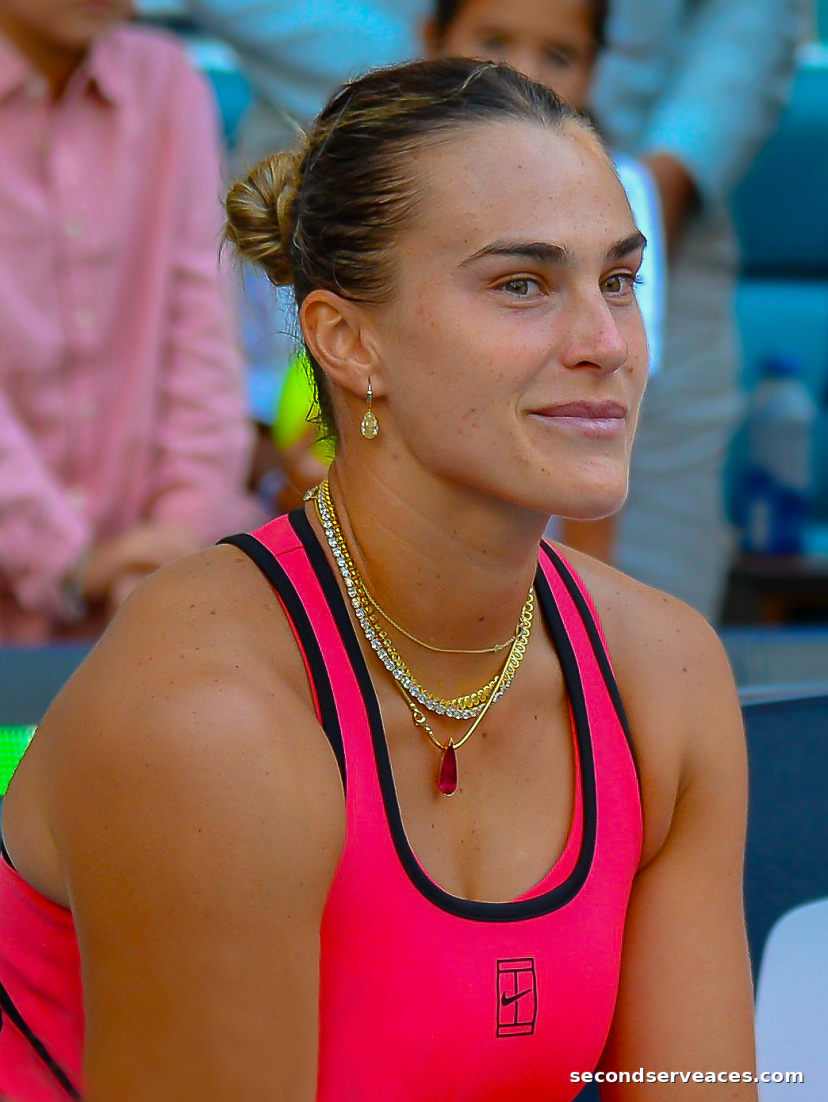
The numbers provided by Aryna Sabalenka serve as a sobering reality check for the sport’s economic trajectory. In 2024, the distribution of revenue for players at the Paris Grand Slam stood at 15.5%. Projections for the 2026 tournament indicate a regression, with that figure set to drop to 14.9%.
This isn't merely about accounting; it's about the sustainability of the professional ecosystem. When players of the caliber of Elena Rybakina, the reigning Australian Open champion, signal their support for a potential boycott, it confirms that the dissatisfaction has permeated the very top of the WTA Tour rankings. This is a strategic pivot to force an immediate re-evaluation of how the sport’s biggest entities value their primary product: the players.
For those watching from the stands, the tactical focus often remains on the serve-and-volley or the heavy topspin groundstrokes that define success on clay. However, the current dialogue reveals that the same grit required to navigate a three-set match in Paris is now being applied to the administrative structure of the game. The players are effectively calling for a new match strategy, one that addresses long-term financial health and parity.
Collective Bargaining and the Call for Unionization
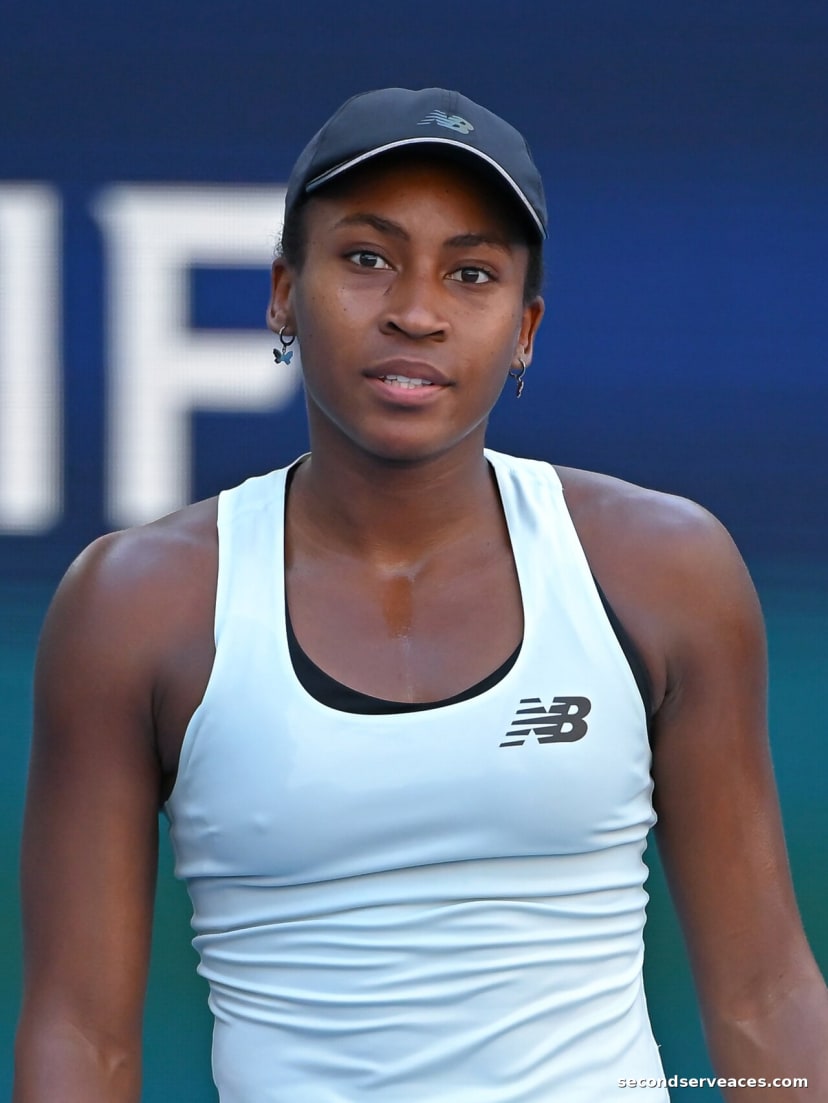
Coco Gauff has been vocal in advocating for the WTA to transition toward a fully unionized structure. By establishing a formal collective bargaining apparatus, players aim to secure more than just a seat at the table; they seek a codified influence over pensions, health options, and tournament representation that is currently fragmented.
The move toward a formal union is a tactical maneuver designed to remove the ambiguity from current player-tournament negotiations. Without a collective front, players are often left to negotiate as individuals, which dilutes their leverage in disputes regarding revenue share and competition terms. Gauff’s push is essentially an attempt to create a unified 'defensive baseline' against institutional overreach.
This shift reflects an evolution in player consciousness. They are no longer content with simply playing the schedule; they are examining the infrastructure that dictates their professional longevity. If the WTA Tour fails to integrate these requests, the prospect of a strike could fundamentally alter the landscape of the 2026 Grand Slam season.
A Tactical Stand on Player Welfare
Beyond the percentages and the revenue sheets, the core of this conflict lies in player welfare. Representation, pension security, and specialized health options are the pillars of the argument. In a sport where physical burnout is a constant threat, the demand for improved health provisions is as critical as the need for equitable financial returns.
The risk of a boycott is significant, but for many of these athletes, it is seen as a necessary tactical shift to protect the future of the sport. If the leading players decide to unify, the pressure on the Grand Slam organizers to adjust their revenue allocations will become difficult to ignore. The game is no longer just about who can execute the better tactical plan on court; it is about who can command the most influence off of it.
As we monitor the situation ahead of the French Open, the focus remains on whether the governing bodies will meet these demands. The sport relies on the stars to drive interest, and for the first time in years, those same stars are signaling that the current model is no longer sustainable. Whether this leads to a new era of equity or a season of disruption remains to be seen.
What Aryna Sabalenka Plays With
Wilson Blade 98 v9 (16x19)
Luxilon ALU Power 125
Analyze Aryna Sabalenka vs. Coco Gauff
Predict tactical adjustments, momentum swings, and serve strategy options for this match-up using our AI simulator.
The Aces Tactical Panel
This report was curated and edited by Bhaskar Goel. Tactical analysis and technical insights were provided by our specialized panel of expert correspondents.
Julian Price
Senior Tactical Correspondent
Stuffy, pedantic British academic and historian specializing in match momentum and historical context.
Elena Cruz
Director of Analytical Research
Data scientist specializing in court surface physics and movement patterns.
Bhaskar
The Editor & Fan
Passionate tennis player and site editor bringing everyday amateur insights and relatable fan commentary.
Arthur Vance
Senior Existential Analyst
Deep, eccentric, and DFW-inspired. Models court metaphysics, kinetic beauty, and player psychology.
Leo Sterling
High-Performance Consultant
Hard-nosed ex-trainer from Melbourne with a no-nonsense view on tour fitness.