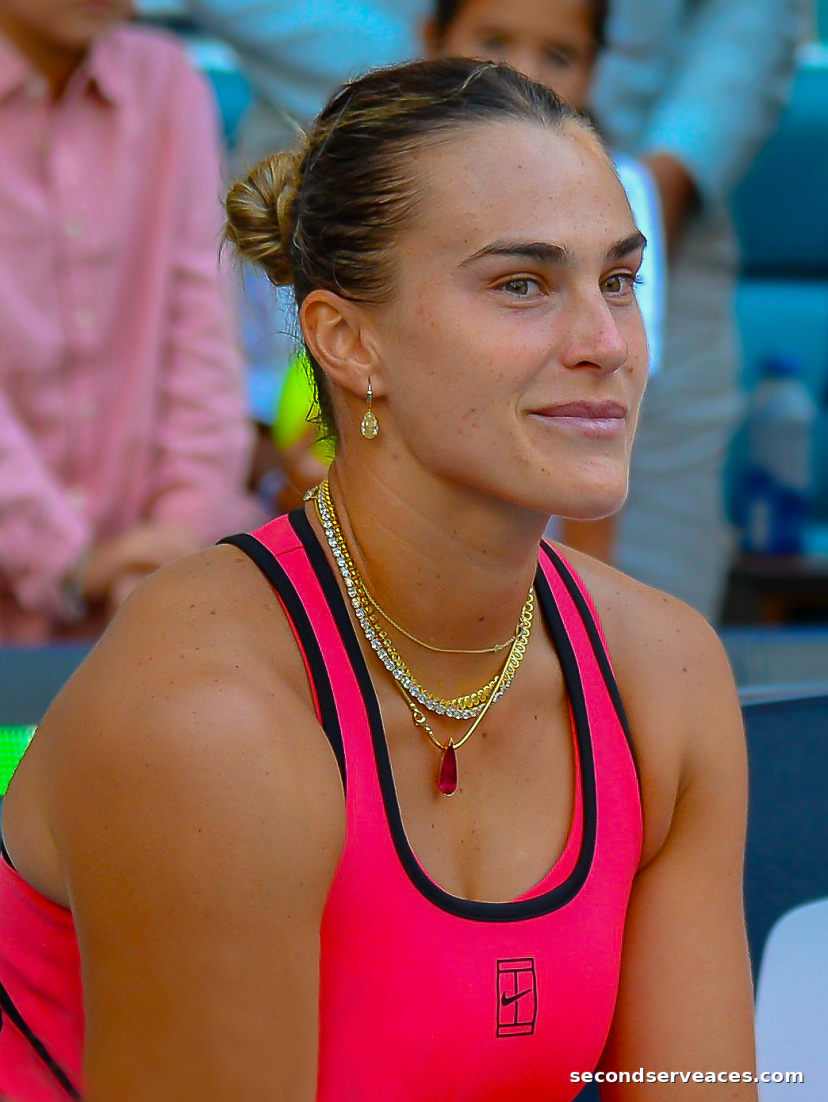
In the unforgiving engine room of the WTA Tour, momentum is a double-edged sword. For Aryna Sabalenka, the relentless pursuit of points last season became a physical liability. As she prepares for the French Open, her performance coach, Jason Stacy, is taking an uncompromising look at the scheduling logs that led to a wall of exhaustion in previous years.
Listen to the Second Serve Podcast
Get our daily AI-synthesized audio briefings and match reviews on the go.
The Cost of a Heavy Schedule
The numbers don't lie: when you chase deep runs in Brisbane, the Australian Open, Indian Wells, and Miami, the tank eventually runs dry. Stacy’s primary diagnostic concern is the recurring trend of Sabalenka arriving in Paris feeling physically compromised. It is a recurring narrative—notably, she has felt unwell during her arrival at Roland-Garros for three consecutive years.
This isn't merely about hydration or recovery protocols; it is a tactical decision to preserve her baseline explosion. When a player moves with the power Sabalenka brings to the dirt, the mechanical strain is amplified. If her recovery cycles are interrupted by back-to-back deep tournament runs, that heavy topspin game loses its bite on the slower surface.
Reframing the Narrative Post-Gauff
Last year’s final in Paris, where she fell to Coco Gauff, was the ultimate litmus test for her conditioning. Yet, the resilience she displayed afterward was the real marker of her elite status. Reaching three additional major finals and securing a US Open title post-Roland-Garros suggests the issue wasn't talent, but the temporal distribution of her energy.
Refining her schedule isn't about avoiding competition; it's about optimizing her presence for the major events that define the season. As observers like Tracy Austin and Patrick McEnroe often highlight, the ability to manage one's internal clock is just as critical as a reliable second serve.
By prioritizing a strategic recalibration now, Sabalenka’s team is betting that a fresher version of the world's most aggressive hitter can navigate the nuances of red clay far more effectively than the version that struggled with illness in past seasons. The goal is simple: ensure that when she steps onto the surface in Paris, the only thing she has to contend with is her opponent across the net—not her own physiology.
What Aryna Sabalenka Plays With
Wilson Blade 98 v9 (16x19)
Luxilon ALU Power 125
Analyze Aryna Sabalenka vs. Coco Gauff
Predict tactical adjustments, momentum swings, and serve strategy options for this match-up using our AI simulator.
The Aces Tactical Panel
This report was curated and edited by Bhaskar Goel. Tactical analysis and technical insights were provided by our specialized panel of expert correspondents.
Julian Price
Senior Tactical Correspondent
Stuffy, pedantic British academic and historian specializing in match momentum and historical context.
Elena Cruz
Director of Analytical Research
Data scientist specializing in court surface physics and movement patterns.
Bhaskar
The Editor & Fan
Passionate tennis player and site editor bringing everyday amateur insights and relatable fan commentary.
Arthur Vance
Senior Existential Analyst
Deep, eccentric, and DFW-inspired. Models court metaphysics, kinetic beauty, and player psychology.
Leo Sterling
High-Performance Consultant
Hard-nosed ex-trainer from Melbourne with a no-nonsense view on tour fitness.