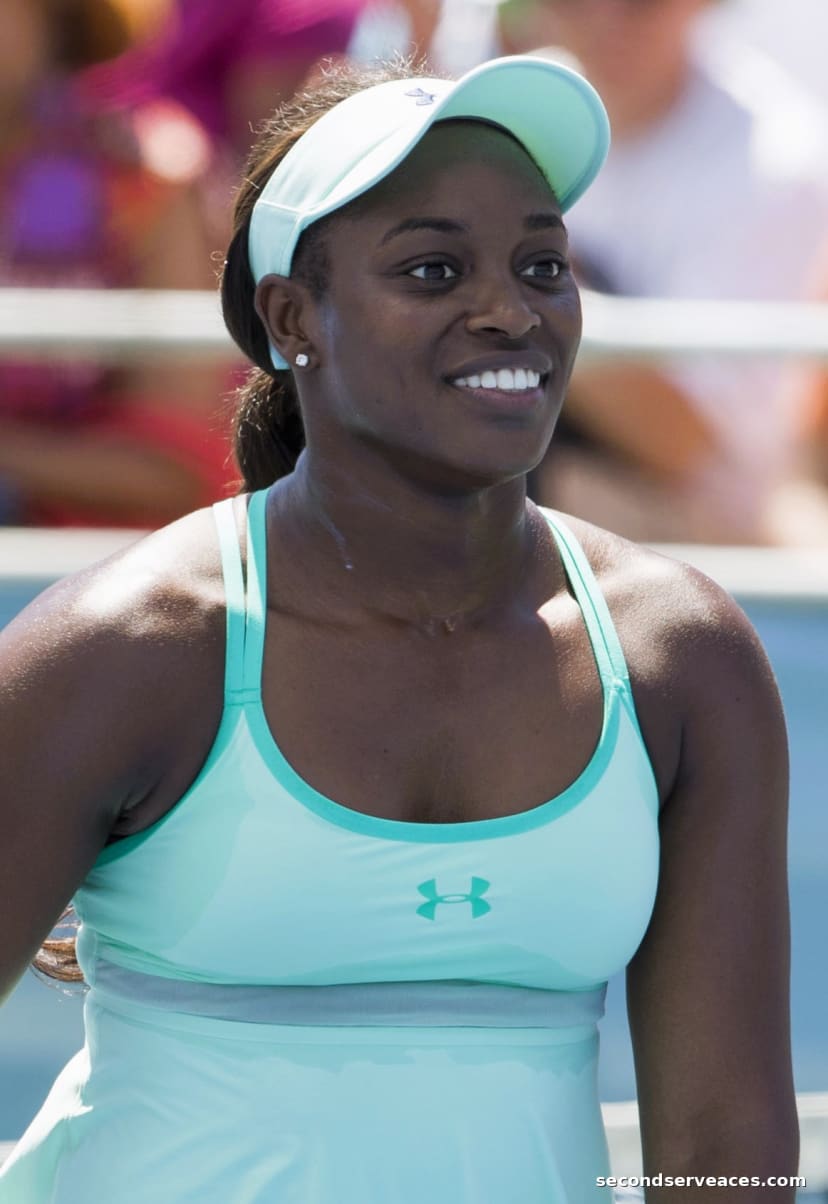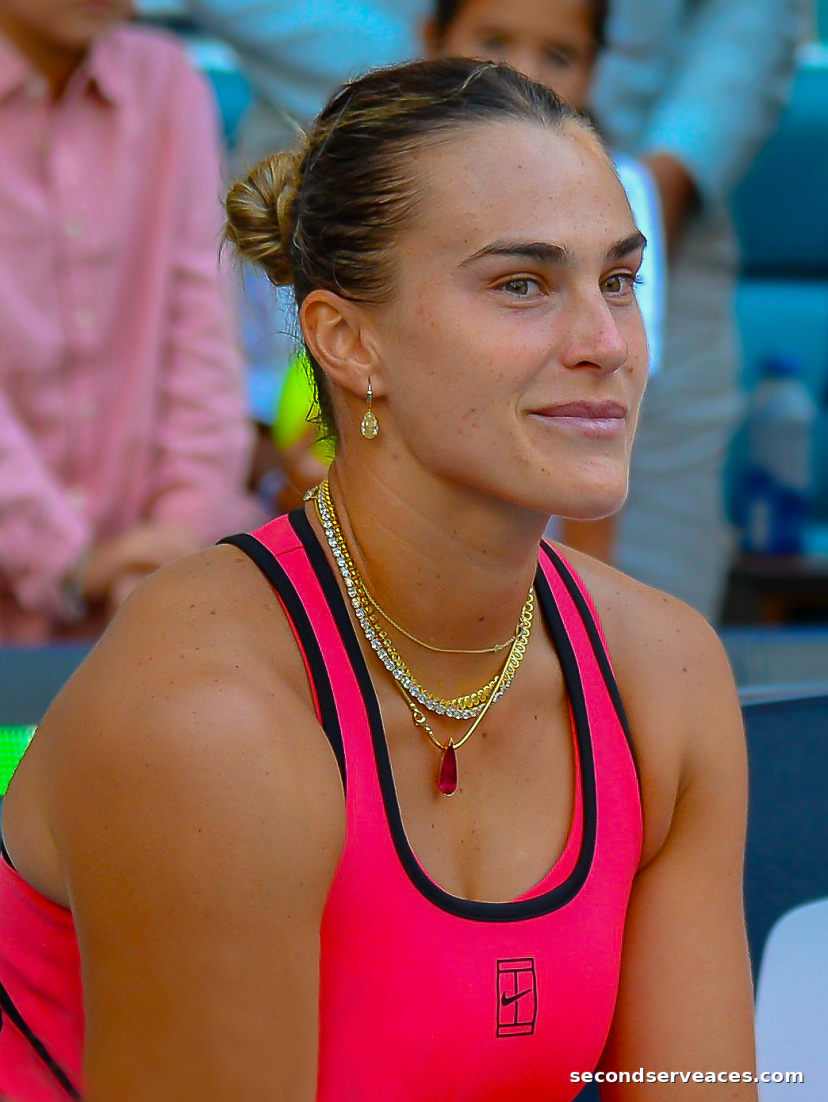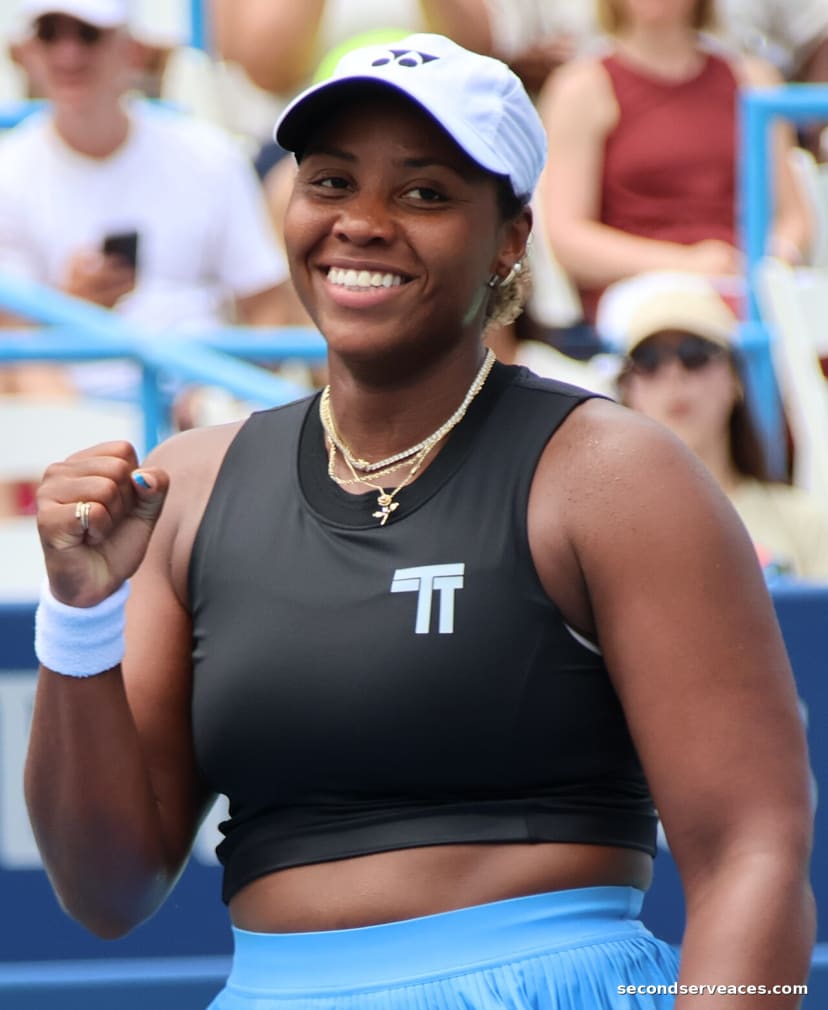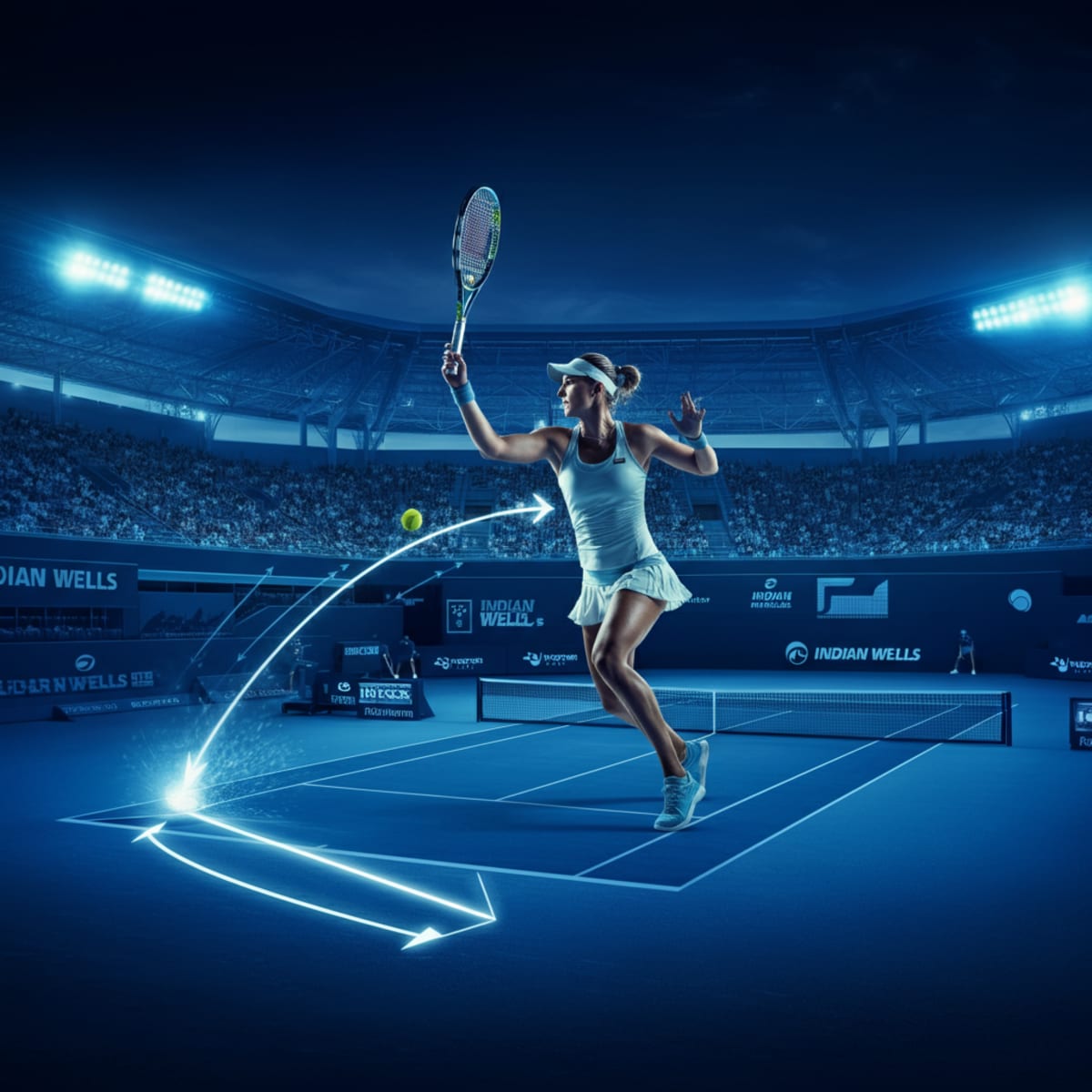
Welcome to Tennis Paradise, where the air is thin, the ball flies off the strings, but the court surface acts like sandpaper. Indian Wells isn’t your traditional hard-court tournament. It’s a gritty, high-bouncing sandbox that demands immense rally tolerance, heavy topspin, and a tactical mind sharp enough to cut through the desert winds. As we head into the WTA quarterfinals, we are treated to a tactician’s dream: a clash of contrasting styles, heavyweights finding their form, and match momentum hanging on a knife's edge.
Listen to the Second Serve Podcast
Get our daily AI-synthesized audio briefings and match reviews on the go.
Let’s cut right to the chase. The business end of this tournament is bringing us two popcorn matchups that will test everything from court geometry to raw, unadulterated firepower: Iga Swiatek against Elina Svitolina, and Elena Rybakina locking horns with Jessica Pegula. Here is how the draw has unfolded, and more importantly, how these matches will be won and lost.
The First Quarterfinal: The Topspin Juggernaut Meets the Wall
World No. 1 Iga Swiatek has been utterly ruthless in the Coachella Valley. She has surged into the quarterfinals without dropping a single set, dismantling Kayla Day, Maria Sakkari, and Karolina Muchova with clinical precision. Swiatek in the desert is a terrifying proposition. The slow, gritty nature of the Indian Wells hard courts perfectly complements her extreme Western grip, allowing her topspin to bite aggressively and kick up above her opponents' strike zones.
Waiting for her is the ever-resilient Elina Svitolina. Svitolina’s brand of tennis relies on world-class defensive court positioning and an innate ability to absorb pace. But history is heavily skewed here. Swiatek leads their head-to-head record 4-1, and crucially, all four of those victories have come in straight sets. Svitolina will need to find a way to step inside the baseline and take the ball early, or she risks being pushed into the back fence by Swiatek’s relentless depth.
The Second Quarterfinal: First-Strike Tennis vs. Elite Redirection
On the other side of the marquee, we have an absolute blockbuster: Elena Rybakina versus Jessica Pegula. This is a battle of first-strike artillery against elite flat-ball redirection. Rybakina holds a slender 4-3 head-to-head advantage over the American, but the momentum is entirely in her corner—she has claimed victory in their last three encounters.
Rybakina’s path to the quarters has been a test of her serve and her stamina, securing wins over Hailey Baptiste, Marta Kostyuk, and advancing via a retirement win against Sonay Kartal. Pegula, meanwhile, arrives at this stage following a highly impressive 6-3, 7-6 victory over the dangerous Belinda Bencic. Pegula loves pace, and Rybakina provides it in spades. The question is whether Pegula can time her returns to neutralize the Rybakina delivery.
The Tactical Breakdown
If you want to understand these matchups, you have to look past the baseline power and focus on the tactical mechanics of court positioning and serve placement patterns.
- Swiatek's Forehand Geometry: Swiatek’s offensive engine is built around the heavy crosscourt forehand. On a court like Indian Wells, that ball jumps. Svitolina’s counter-punching typically relies on a waist-high strike zone. Swiatek will systematically target Svitolina’s backhand, forcing the Ukrainian to hit defensive slices or high topspin loops, which Swiatek will then step in and punish with inside-out forehands. If Svitolina cannot generate depth on her defensive replies, the match momentum will permanently shift to Swiatek.
- Rybakina's Serve vs. Pegula's Timing: This match will be decided on Rybakina's racquet, specifically on break point opportunities. Rybakina’s serve is a biomechanical marvel—fluid, disguised, and lethal. She utilizes the slice serve out wide on the Deuce court brilliantly. Pegula’s counter-tactic? She stands hugging the baseline, looking to take the ball on the rise. Because Pegula hits so flat, she doesn’t need time to generate topspin. If Pegula can guess right and cut off the angles, she can rush Rybakina’s secondary shots. However, if Rybakina dictates the first strike, her baseline artillery will simply overwhelm Pegula's defensive structure.
In both matches, net approach frequency will be a secondary but vital stat. Indian Wells doesn't reward reckless charging, but finishing points at the net to avoid 20-shot rallies in the dry heat is essential for conserving energy.
The Bigger Picture
These quarterfinals aren't just about surviving the week; they carry massive implications for the spring hard-court swing. The "Sunshine Double" (winning Indian Wells and Miami back-to-back) is one of the toughest feats in tennis, specifically because the surface speed changes so drastically between the two events.
For Swiatek, deep runs at Indian Wells are becoming par for the course. Her game translates beautifully here, proving that her Roland Garros-style clay-court mechanics can dominate on slow hard courts. A title here cements her dominance heading into the European clay season.
For Rybakina and Pegula, this is about asserting hierarchy. Rybakina has proven she can win on fast grass (Wimbledon) and medium hard courts, but lifting trophies on the grittiest hard courts requires a physical resilience she is eager to prove she possesses. Pegula, consistently excellent at the WTA 1000 level, is hunting for that signature win against top-tier power players that can push her over the edge in Grand Slam conversations.
The desert is unforgiving. It strips away technical flaws and demands peak physical conditioning. Grab your notepads, because the tennis we are about to witness will be a masterclass in tactical execution.
What Iga Swiatek Plays With
Tecnifibre Tempo 298 Iga
Tecnifibre Razor Code 1.25
Analyze Iga Swiatek vs. Elina Svitolina
Predict tactical adjustments, momentum swings, and serve strategy options for this match-up using our AI simulator.
The Aces Tactical Panel
This report was curated and edited by Bhaskar Goel. Tactical analysis and technical insights were provided by our specialized panel of expert correspondents.
Julian Price
Senior Tactical Correspondent
Stuffy, pedantic British academic and historian specializing in match momentum and historical context.
Elena Cruz
Director of Analytical Research
Data scientist specializing in court surface physics and movement patterns.
Bhaskar
The Editor & Fan
Passionate tennis player and site editor bringing everyday amateur insights and relatable fan commentary.
Arthur Vance
Senior Existential Analyst
Deep, eccentric, and DFW-inspired. Models court metaphysics, kinetic beauty, and player psychology.
Leo Sterling
High-Performance Consultant
Hard-nosed ex-trainer from Melbourne with a no-nonsense view on tour fitness.