A Disproportionate Cut of the Red Clay
Tennis is a game of margins, but on the surface, the numbers coming out of the French Open are beginning to look like a lopsided baseline rally. While the tournament recently announced a total prize pool of $72.6 million—a 9.5% bump that, on the surface, looks like progress—the players are reading the fine print. They aren't looking at the total pot; they are looking at the slice of the pie that never hits their plate.
Listen to the Second Serve Podcast
Get our daily AI-synthesized audio briefings and match reviews on the go.
Last year, Roland Garros raked in a staggering $463 million in revenue, a 14% leap from the previous cycle. Yet, when you stack that against the current payout structure, the math reveals a jarring reality: players are receiving only 14.3% of the tournament’s haul. In a sport that demands an uncompromising toll on the body and the mind, that percentage is being viewed by top talent not as a standard business split, but as a systematic undervaluation of the very labor that drives the spectacle.
The frustration is reaching a boiling point because the elite of the WTA and the ATP are no longer content to just chase the carrot. They are looking at the industry standards and demanding a shift toward a 22% revenue share, a number that would bring the Grand Slams in line with what is widely considered equitable within the broader professional tour ecosystem. It isn't just about the check; it's about the acknowledgment of the grind.
The Rising Voices of the Rebellion
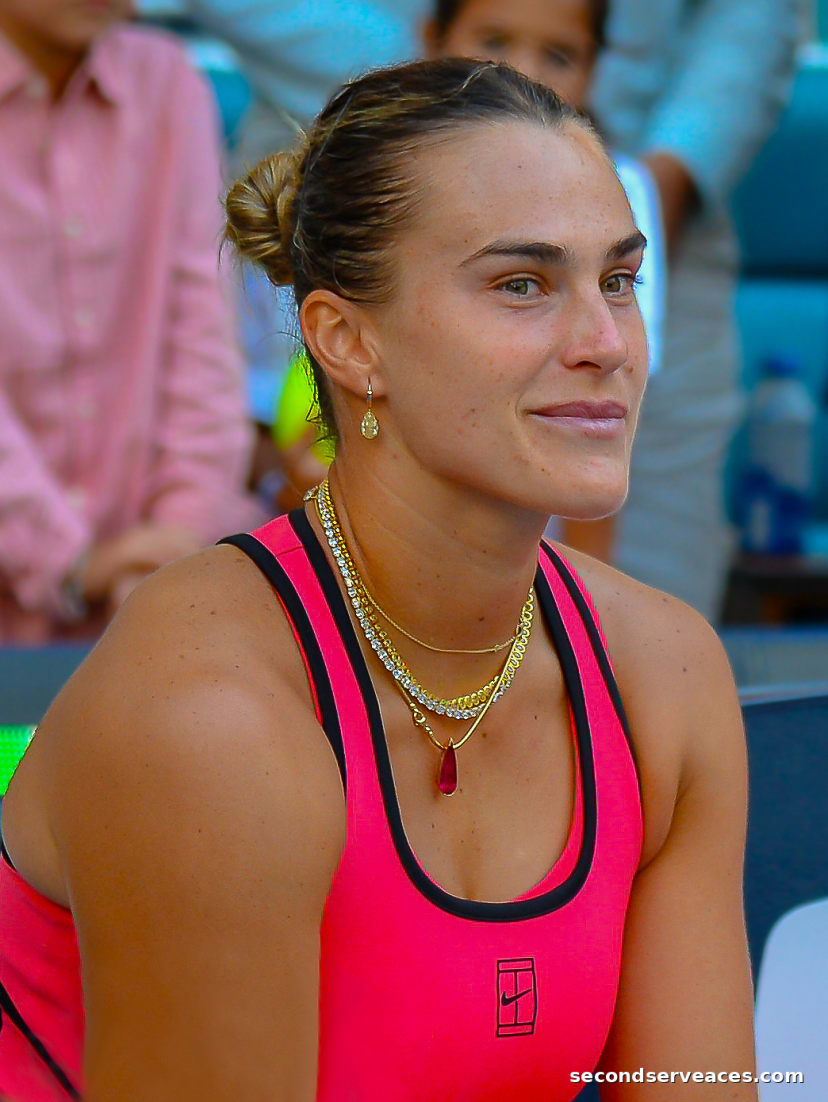
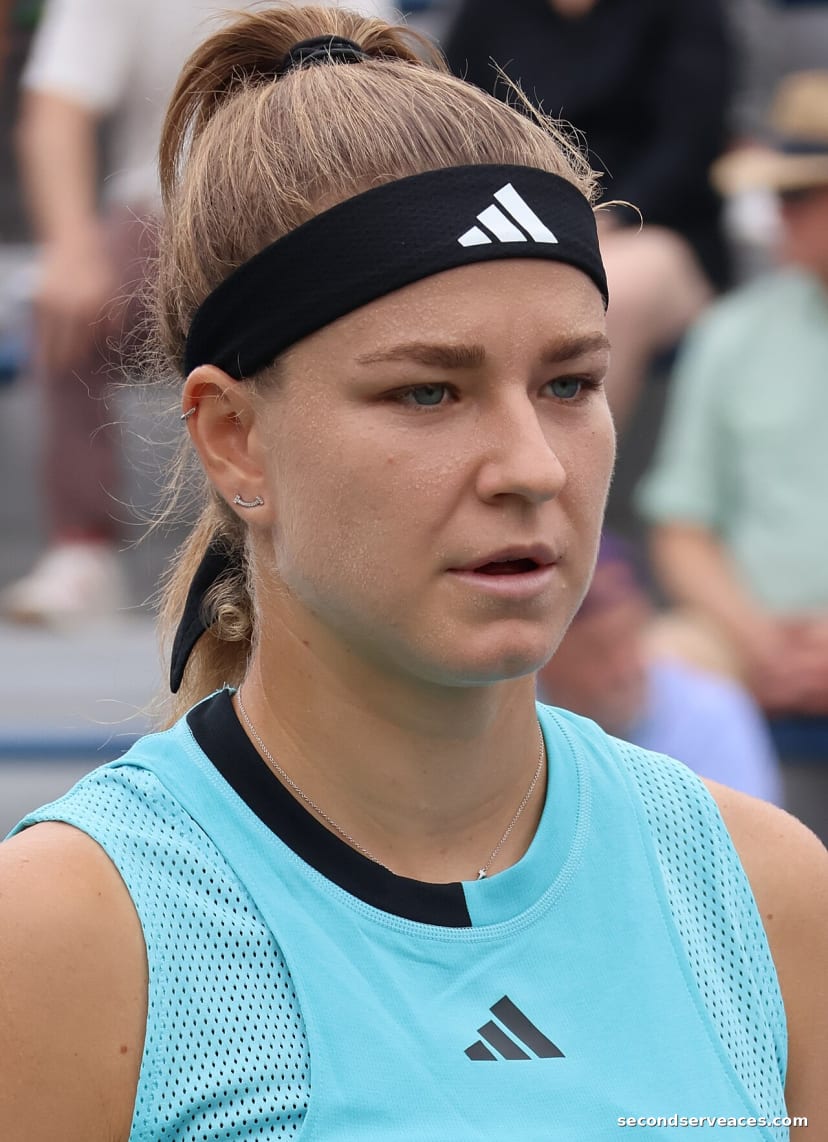
This isn't a grassroots movement bubbling up from the qualifiers; it is being driven by the marquee names who carry the sport’s marketability. Athletes like Jasmine Paolini and Aryna Sabalenka have moved from whispered locker-room grumbling to the front pages, publicly flagging the possibility of a boycott. When stars of that magnitude put their tournament participation on the line, the entire power structure of professional tennis shifts.
The players are framing this as a survival imperative. Between the travel, the coaching staffs, and the sheer physical toll required to maintain a presence at the highest level—a legacy pioneered by titans like Serena Williams, Venus Williams, and Naomi Osaka—the current welfare schemes are perceived as insufficient. The demand is for a structural overhaul that supports the human element, not just the brand.
For a sport built on the intensity of the individual, there is a newfound collective focus. Whether it is a rising talent like Carlos Alcaraz or the established veterans, the sentiment is uniform: the Grand Slams cannot continue to operate as entities unto themselves while ignoring the financial realities of those who compete on their courts.
The Economics of the Mental Grind
We often talk about the pressure of the third set or the tension of a break point, but the pressure to be paid for the totality of one’s career is the most corrosive kind. The sport is high-risk, high-reward, but for the vast majority, the reward is shrinking relative to the skyrocketing revenue of the host venues. The French Open is not just a stage for legends; it is a business that relies on the sweat and sacrifice of the workforce.
The threat of a boycott acts as a pressure valve for players who feel their welfare is being sacrificed for institutional gain. When the players collectively demand a 22% revenue share, they aren't asking for charity; they are making a claim on the value they generate. If the organizers refuse to recognize that the game is the players, they risk the unthinkable: an empty draw at the most prestigious events on the calendar.
The industry is at a crossroads. As the revenue continues to climb at a double-digit pace, the gap between the tournament’s bottom line and the player’s paycheck has become an untenable friction point. The players have the cards, and for the first time in years, they seem ready to play them.
The High Cost of Maintaining the Status Quo
If a walkout were to happen, the fallout would be catastrophic for the sport's image and commercial stability. But the status quo is currently maintained by the silence of the participants, and that silence has been broken. When players like Paolini and Sabalenka link the issue of prize money to welfare benefits, they are changing the narrative from a simple salary dispute to a fundamental question of what it means to be a professional athlete.
The demands are clear, specific, and backed by the hard data of the tournament's own success. A 22% share isn't just a number; it's a statement. It represents a pivot away from an era where players were grateful just to be invited, toward a future where the athletes demand their seat at the table of the billion-dollar business they built.
As the clay season reaches its crescendo, the real match isn't taking place on Court Philippe-Chatrier. It is taking place in boardrooms and locker rooms, where the pressure is rising, and the consequences of a stalemate are growing more dire with every passing dollar. The question for the powers that be is simple: are they willing to pay the cost to keep the show going, or are they waiting for the lights to go out?
What Aryna Sabalenka Plays With
Wilson Blade 98 v9 (16x19)
Luxilon ALU Power 125
Wilson Pro Overgrip (12-Pack)
Analyze Jasmine Paolini vs. Aryna Sabalenka
Predict tactical adjustments, momentum swings, and serve strategy options for this match-up using our AI simulator.
The Aces Tactical Panel
This report was curated and edited by Bhaskar Goel. Tactical analysis and technical insights were provided by our specialized panel of expert correspondents.
Julian Price
Senior Tactical Correspondent
Stuffy, pedantic British academic and historian specializing in match momentum and historical context.
Elena Cruz
Director of Analytical Research
Data scientist specializing in court surface physics and movement patterns.
Bhaskar
The Editor & Fan
Passionate tennis player and site editor bringing everyday amateur insights and relatable fan commentary.
Arthur Vance
Senior Existential Analyst
Deep, eccentric, and DFW-inspired. Models court metaphysics, kinetic beauty, and player psychology.
Leo Sterling
High-Performance Consultant
Hard-nosed ex-trainer from Melbourne with a no-nonsense view on tour fitness.