When you stand on the crushed red brick of Roland Garros, you aren't just playing a match; you’re feeding a machine. The history, the prestige, the relentless grind of the clay season—it all commands immense commercial weight. Yet, for the athletes who sweat through their shirts to build that brand, the financial reality remains increasingly disconnected from the tournament's bottom line. World number ones Jannik Sinner and Aryna Sabalenka have signaled they’ve had enough, spearheading a collective movement to force structural change at the game’s highest level.
Listen to the Second Serve Podcast
Get our daily AI-synthesized audio briefings and match reviews on the go.
A Demand for Equity in the Revenue Split
On April 16, 2026, tournament officials announced a 9.5 percent prize money increase. To the casual observer, it sounds like progress. To the players, it feels like a slap in the face. The core of this friction is a push for a 22-percent share of tournament revenue, a benchmark intended to align the French Open with the financial structures already established at ATP and WTA 1000-level events.
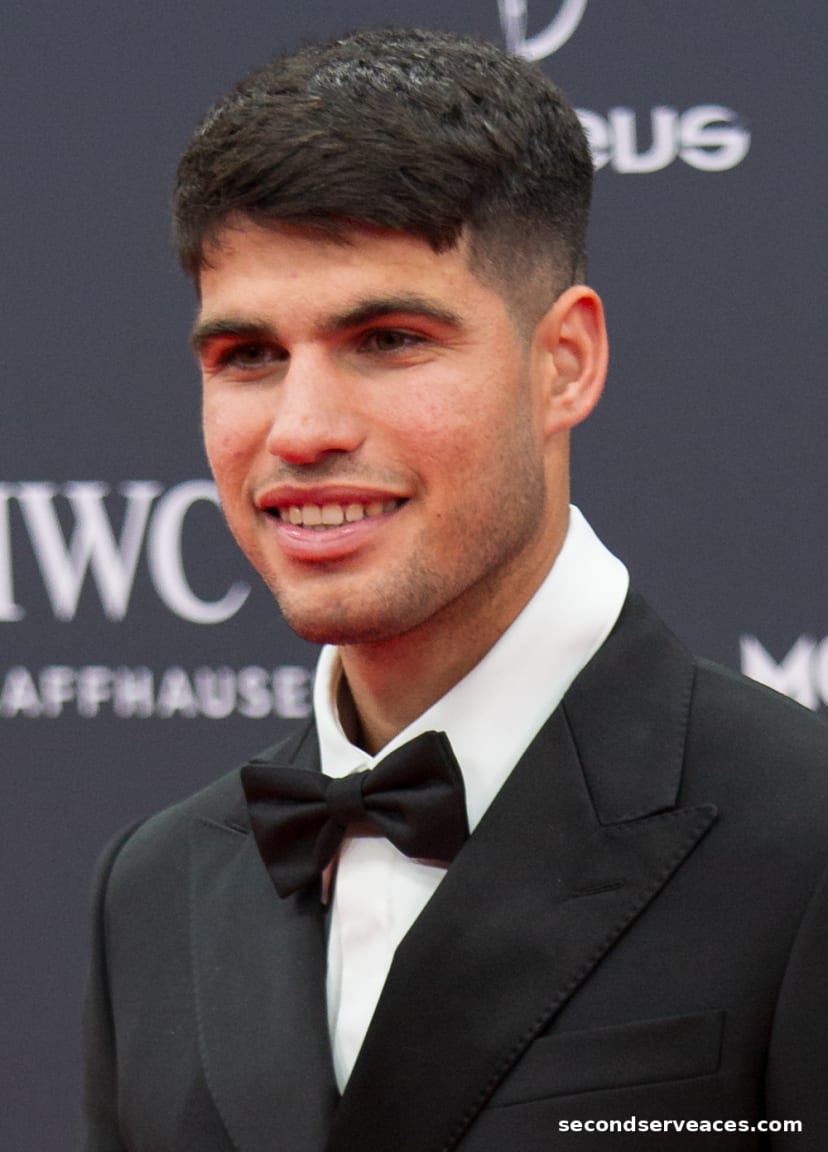
The numbers tell a story of an lopsided ecosystem. Last year, the tournament generated 395 million euros in revenue, yet players walked away with a mere 14.3 percent of that haul. In a sport where your body is your only asset, players like Carlos Alcaraz and Iga Swiatek are acutely aware that their competitive longevity is finite, while the tournament's institutional profits remain indefinite.
This isn't just about the top stars wanting a bigger piece of the pie; it’s about the economic health of the professional tour. When you look at the disparity between player compensation and commercial success, the argument for a 22-percent share becomes a matter of professional survival. Without these structural reforms, the gap between the tournament’s income and the players' livelihood will only continue to widen, creating a toxic atmosphere beneath the surface of the game's greatest stages.
The Notable Silence of a Legend
The movement has sent shockwaves through the locker room, but the list of signatories is as telling as the list of those who chose to abstain. Notably, Novak Djokovic did not sign the latest letter to tournament officials. His silence speaks volumes in a game where alliances are often fragile and political positioning is a chess match of its own.
In the world of tennis, Novak has always walked his own path, balancing the interests of the collective with his own legacy-building mandates. His absence from this specific push creates a fascinating layer of internal tension. Whether it is a strategic maneuver or a genuine disagreement on the method of approach, the absence of the sport’s most decorated champion weakens the united front these players are attempting to build.
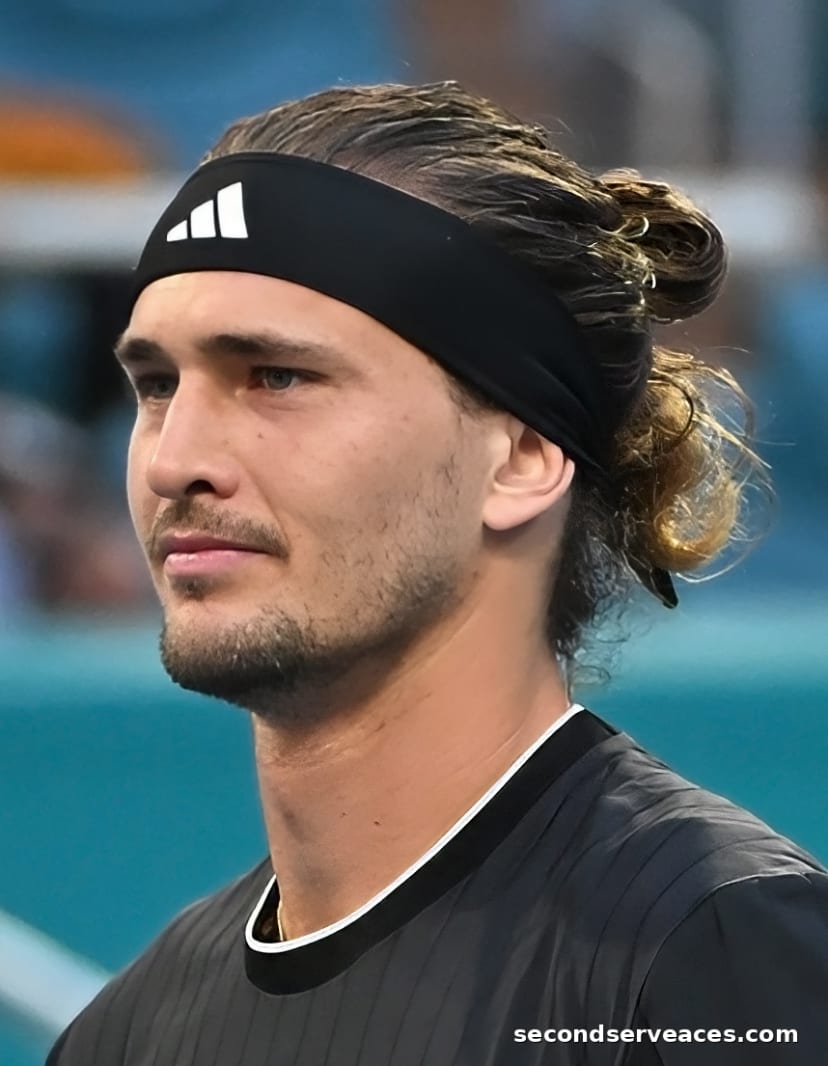
This isn't the first time the politics of the tour have collided with the legends of the game. For players like Alexander Zverev, who are also navigating these turbulent waters, the question remains: is the collective voice strong enough to move an establishment as rigid as the French Federation? When the biggest names in the game are divided, the tournament holds all the cards.
Comparing the Business of the Slams
The frustration is compounded by the transparency—or lack thereof—in how tournaments account for their successes. While Roland Garros sits in the hot seat, other events offer stark reminders of what is possible. For instance, the US Open recently reported a staggering 12.8 million dollars in revenue from 'Honey Deuce' cocktail sales alone during their 2024 edition. When that kind of money flows through a tournament's coffers, players look at their own stagnant earnings and ask where the line is drawn.
If a single cocktail can generate millions in revenue, the argument that there isn't enough to satisfy the 22-percent request holds very little water in the players' corner. It highlights a massive disparity in how the game is being monetized versus how that wealth is distributed to the people providing the entertainment. The players aren't asking for handouts; they are asking for a fair business partnership.
This is the cold, hard reality of the professional tour. While we focus on topspin, court speed, and break points, the real matches are increasingly being fought in the boardrooms. If the governing bodies fail to bridge this gap, they risk alienating the very stars who make the tournament a spectacle worth watching in the first place.
The Road Ahead for Tour Governance
We are standing at a critical juncture for the sport. The dissatisfaction shared by top-tier players isn't going to evaporate with a small, cosmetic prize money adjustment. The appetite for reform is growing, fueled by a generation of players who understand the business of their sport far better than any generation before them.
Governance in tennis has always been a messy, decentralized business. But as the sport continues to grow, the current model is straining under the weight of its own success. The players are now leveraging their influence, pushing for a seat at the table where the decisions—and the money—are actually made. This is no longer just about the next match; it’s about the fundamental sustainability of the professional tour.
The French Open may hold the court, but the players hold the power. If they continue to organize and demand transparency, the 9.5 percent increase announced in April will look like nothing more than a failed attempt to buy peace. The pressure is on, and for once, the spotlight isn't on a backhand winner—it's on the ledger.
What Jannik Sinner Plays With
Head Speed MP 2024
Head Hawk Touch 1.25
Nike GP Challenge 1
Analyze Jannik Sinner vs. Aryna Sabalenka
Predict tactical adjustments, momentum swings, and serve strategy options for this match-up using our AI simulator.
The Aces Tactical Panel
This report was curated and edited by Bhaskar Goel. Tactical analysis and technical insights were provided by our specialized panel of expert correspondents.
Julian Price
Senior Tactical Correspondent
Stuffy, pedantic British academic and historian specializing in match momentum and historical context.
Elena Cruz
Director of Analytical Research
Data scientist specializing in court surface physics and movement patterns.
Bhaskar
The Editor & Fan
Passionate tennis player and site editor bringing everyday amateur insights and relatable fan commentary.
Arthur Vance
Senior Existential Analyst
Deep, eccentric, and DFW-inspired. Models court metaphysics, kinetic beauty, and player psychology.
Leo Sterling
High-Performance Consultant
Hard-nosed ex-trainer from Melbourne with a no-nonsense view on tour fitness.