Tennis is a lonely sport, a sensory deprivation chamber where the only voice in your head is the one telling you to quit. For Emma Raducanu, finding a voice she actually trusts has been an ongoing odyssey. This summer, she made the calculated decision to rehire coach Andrew Richardson, the very man who sat in her box when she shocked the world to claim the US Open title in 2021. It is a reunion born of necessity, an attempt to reconstruct the mental sanctuary required to compete at the absolute limit of her physical capabilities.
Listen to the Second Serve Podcast
Get our daily AI-synthesized audio briefings and match reviews on the go.
The Familiar Corner and the Mental Sandbox
Richardson's return represents more than a tactical adjustment; it is an emotional anchor. In the hyper-accelerated world of professional tennis, players often discard coaches like used grip tape, searching for a magic bullet that does not exist. By bringing Richardson back into the fold, Raducanu is choosing stability over novelty. She knows that to survive the weekly grind of the tour, you need someone who knows how your mind operates when the pressure suffocates you at break point.
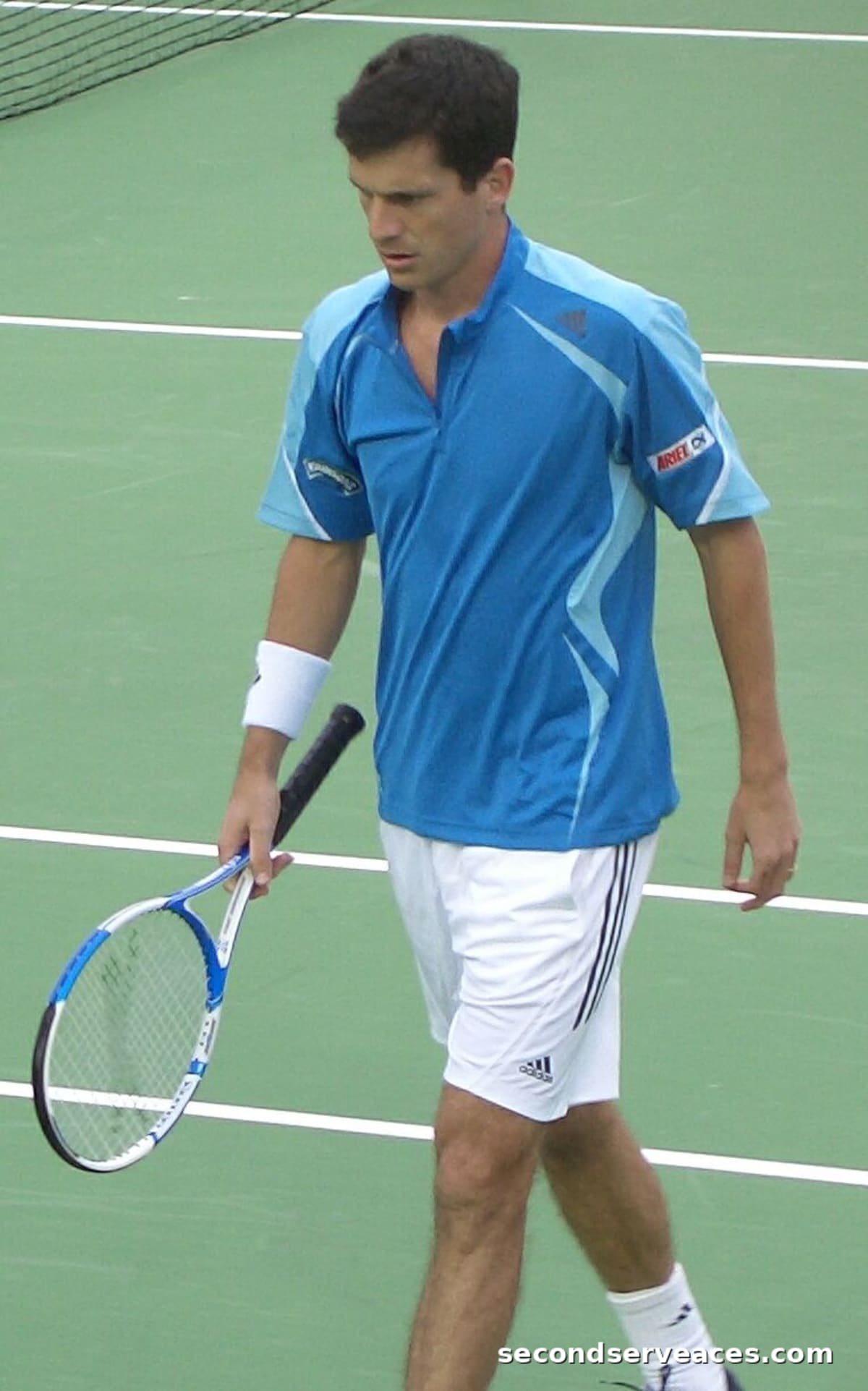
Former world No. 4 Tim Henman, a man who knows a thing or two about carrying the crushing weight of British expectations, has vocally backed this decision. Henman understands that the player-coach dynamic is an open book, and having Richardson in her corner allows Raducanu to skip the awkward introductory phase and get straight to the grueling work. With young talents like Jack Draper also commanding attention on the grass, Raducanu's strategic move signals a desire to block out the noise and focus entirely on her tennis.
The mental sandbox of a Grand Slam champion is fragile. When Raducanu burst onto the scene, her fearless baseline aggression was her trademark. Under Richardson's guidance, she played with a structural clarity that has occasionally been lacking during her subsequent coaching transitions. Re-establishing that foundation is not about looking backward; it is about reclaiming the tactical identity that made her a force on the global stage.
The Brutal Lesson of the Queen's Club Final
The grass courts of West London always demand a unique tax from those who tread upon them. During her run at the Queen's Club Championships, Raducanu showed flashes of the brilliant, aggressive ball-striking that made her a teenage sensation. She navigated the slick, low-bouncing terrain with a renewed sense of purpose, dictating play with her flat, piercing groundstrokes and utilizing her backhand down the line to shift the match momentum in her favor.
Yet, the final proved to be a stark reminder of how unforgiving this sport can be. Facing lucky loser Donna Vekic, Raducanu found herself locked in a physical war of attrition. Vekic, playing with the freedom of someone who had nothing to lose, constantly tested Raducanu's lateral movement, forcing the British star into deep, defensive positions that sapped her energy reserves. The loss was a bitter pill to swallow, but it provided invaluable data for Richardson to dissect.
To survive on grass, you cannot rely solely on raw talent; you must master the subtle nuances of footwork and low-slice recovery. Raducanu's movement was occasionally compromised as Vekic cleverly targeted her forehand wing with deep, skidding balls. This final was not a failure, but rather a diagnostic test, exposing the exact areas where Richardson must intervene to rebuild her baseline resilience before the next major challenge.
Henman's Verdict on the Demanding Modern Calendar
Tim Henman's perspective on the modern game is forged in the fires of his own historic battles. Having contested six Grand Slam semifinals—including four legendary runs on the lawns of Wimbledon—Henman knows the precise physical toll required to reach the pinnacle of the sport. His career-high ranking of world No. 4 was achieved through relentless physical conditioning and a serve-and-volley style that demanded explosive, repetitive movements.
When Henman speaks about the current state of the tour, his words carry the weight of experience. He has openly expressed deep concern over the relentless scheduling that leaves modern players battered and bruised. The transition from clay to grass is notoriously treacherous, requiring an immediate adjustment in knee bend and muscle recruitment. For Henman, the epidemic of injuries sweeping through the locker room is not a coincidence, but a direct consequence of a calendar that refuses to breathe.
Henman's backing of the Raducanu-Richardson partnership is rooted in this understanding of the tour's physical and mental demands. He believes that having a trusted team is the first line of defense against the burnout that destroys promising careers. In an era where the ball is hit harder than ever, a player's support system must act as both a tactical think-tank and a protective shield against the external pressures of the modern sports machine.
The Physical Toll of the Redline Game
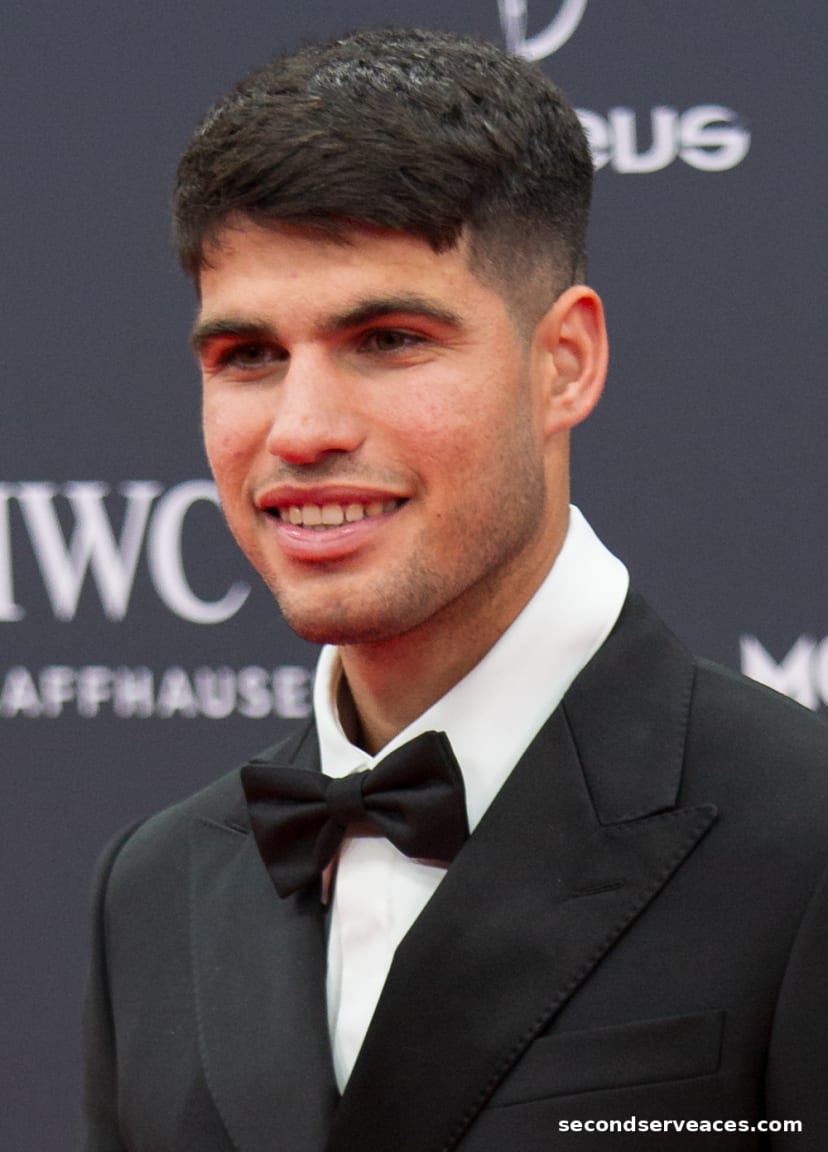
You do not have to look far to see the casualties of this high-octane era. Carlos Alcaraz, a force of nature whose explosive movement defines the modern baseline standard, was forced to withdraw from both the French Open and Wimbledon due to a debilitating injury. When a player of Alcaraz's physical caliber is sidelined, it sends a chilling message through the locker room: no one is invincible. The redline style of play, while breathtaking to watch, leaves absolutely zero margin for error.
Then there is Jannik Sinner, whose recent collapse in Paris serves as a psychological horror story. Sinner, currently battling at the top of the ATP rankings, seemed to have his second-round match completely under control against Juan Manuel Cerúndolo, leading 6-3, 6-2, 5-1. What followed was a catastrophic loss of physical and mental momentum, as Cerúndolo staged a stunning comeback to exploit Sinner's sudden lethargy. It was a vivid demonstration of how quickly the body can shut down when pushed past its limits.
This is the reality that Emma Raducanu and Andrew Richardson must navigate. The modern game does not care about your past triumphs or your potential; it only cares about your ability to endure. As Raducanu targets a return to the top tier, her coaching adjustment is a vital step toward building the physical and mental stamina required to survive this brutal landscape.
What Jannik Sinner Plays With
Head Speed MP 2024
Head Hawk Touch 1.25
Nike GP Challenge 1
Analyze Tim Henman vs. Emma Raducanu
Predict tactical adjustments, momentum swings, and serve strategy options for this match-up using our AI simulator.
The Aces Tactical Panel
This report was curated and edited by Bhaskar Goel. Tactical analysis and technical insights were provided by our specialized panel of expert correspondents.
Julian Price
Senior Tactical Correspondent
Stuffy, pedantic British academic and historian specializing in match momentum and historical context.
Elena Cruz
Director of Analytical Research
Data scientist specializing in court surface physics and movement patterns.
Bhaskar
The Editor & Fan
Passionate tennis player and site editor bringing everyday amateur insights and relatable fan commentary.
Arthur Vance
Senior Existential Analyst
Deep, eccentric, and DFW-inspired. Models court metaphysics, kinetic beauty, and player psychology.
Leo Sterling
High-Performance Consultant
Hard-nosed ex-trainer from Melbourne with a no-nonsense view on tour fitness.
Related Reports

Quick Answers
Why did Emma Raducanu rehire coach Andrew Richardson?+
Raducanu rehired Richardson, who guided her to the 2021 US Open title, to bring stability and psychological trust back to her coaching team.
Who did Emma Raducanu lose to in the Queen's Club Championships final?+
Raducanu reached the final of the Queen's Club Championships but was defeated by lucky loser Donna Vekic.
What did Tim Henman say about the modern tennis calendar?+
Henman expressed concern over the demanding schedule, pointing to recent physical struggles and injuries suffered by stars like Carlos Alcaraz and Jannik Sinner.