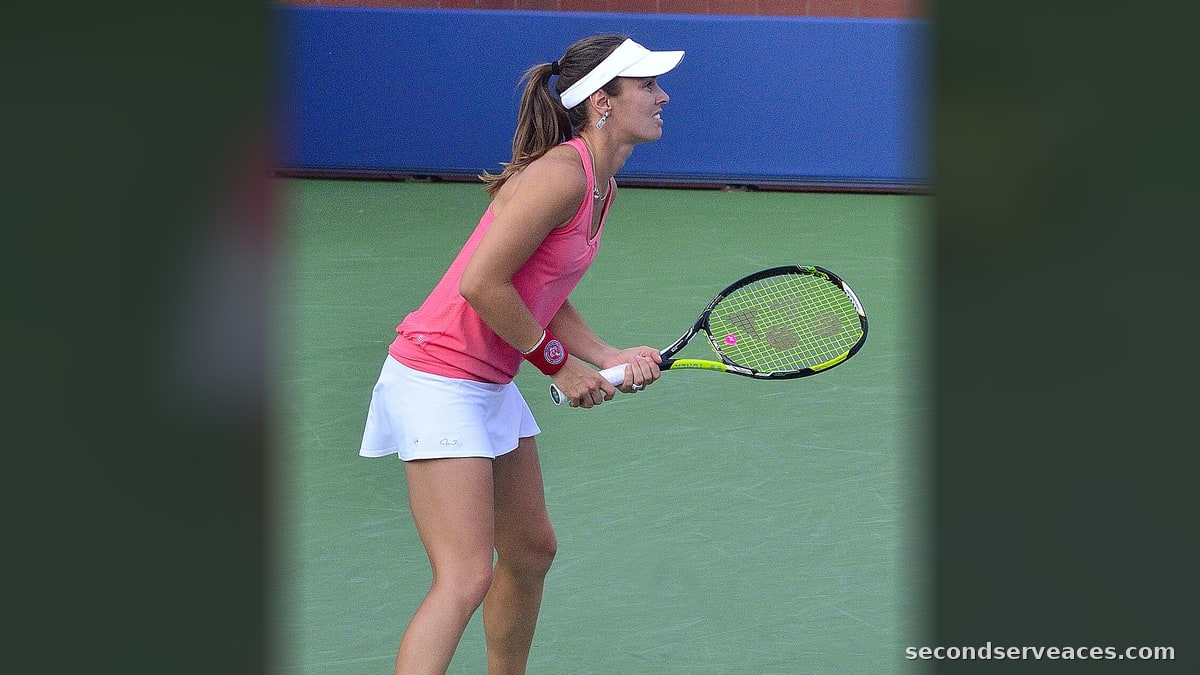
The Roland Garros Cauldron: Tennis's Ultimate Villain
Are you kidding me? If you still think tennis is a polite, hushed, country-club affair, you’ve clearly never stepped onto Court Philippe-Chatrier. The crowd at Roland-Garros doesn't just watch the match. They insert themselves into the very fabric of the drama. They are judge, jury, and, more often than not, executioner.
In London, they clap politely. In New York, they drink honey deuces and make a lot of noise. But in Paris? In Paris, they treat tennis like a blood sport. The French crowd is the most hostile, theatrical, and unforgiving audience in all of sports—and frankly, I love it. But if you don't have the stomach for it, they will eat you alive.
The Whistle, the Boo, and the Clay Mark
Let’s talk about the officiating, because this is where the real circus begins. Unlike the hard courts of the US Open or the lawns of Wimbledon, clay-court tennis still relies on the archaic, highly dramatic ritual of checking the mark. There is no automated electronic line calling here. When a ball is close, the chair umpire has to climb down from their high chair like a king descending from a throne, walk over to the red dirt, and point at a smudge.
Listen to the Second Serve Podcast
Get our daily AI-synthesized audio briefings and match reviews on the go.
And that’s when the crowd strikes. If you dare to argue that mark, if you dare to challenge the umpire's vision, the whistle starts. It’s not a boo—it’s that high-pitched, piercing European whistle that cuts right through your soul. It’s a collective declaration that you, the player, are being arrogant.
"If you fight the French crowd, you are fighting a losing battle. You have to learn to embrace the villain role, or it will break you."
As we analyzed in The Algorithmic Court, modern analytics have tried to sanitize tennis, turning it into a game of percentages and heat maps. But you can't run a simulation on a crowd that is actively trying to break your spirit. When 15,000 Parisians decide they want you to lose, your tactical game plan goes right out the window. It becomes a raw, primal test of survival.
Historical Hostility: The Hingis Meltdown
To understand the sheer power of the French crowd, you only have to look back at the legendary 1999 women’s final. Martina Hingis, one of the most brilliant tactical minds the WTA Tour has ever seen, was up a set and a break against Steffi Graf. Hingis questioned a line call, walked over to Graf's side of the net to point out the mark—a massive taboo in clay-court etiquette—and the crowd absolutely revolted.
They didn't just cheer for Graf; they actively booed Hingis’s mistakes, whistled during her serves, and mocked her. Hingis cracked under the pressure, served underhand in desperation, and eventually lost the match, leaving the court in tears. We’ve seen intense psychological battles before, like the ones we detailed in our analysis of Steffi Graf vs Monica Seles, but those were player-versus-player. In Paris, it’s player-versus-stadium.
The Myth of the French Savior
The flip side of this hostility is the desperate, almost suffocating desire for a home champion. Ever since Yannick Noah lifted the Coupe des Mousquetaires in 1983, French tennis has been searching for its next savior. This intense longing creates a unique pressure cooker. When a French player is on court, the crowd's passion climbs to a fever pitch. But god forbid that player starts to choke. The same crowd that was singing "La Marseillaise" ten minutes ago will turn on their own with brutal efficiency if they sense weakness.
That’s the beauty and the terror of Roland Garros. It’s not just about sliding on clay or hitting heavy topspin. It’s about navigating an emotional minefield. You have to respect the court, respect the umpire, and above all, respect the crowd. If you fight them, you will lose. You have to learn to ride the wave, absorb the boos, and somehow use that negative energy to fuel your fire. It takes a special kind of ego to survive it. And if you can't handle the heat? Get out of the kitchen.
Essential Matchday Add-Ons
Tournament-tested accessories and high-frequency consumables every competitive player keeps in their bag.
Tourna Grip Original Dry Feel Overgrip (10-Pack)
4.8 ★ (12,000+ reviews)
The gold standard for sweaty hands. Proprietary dry feel absorbs moisture better as play intensifies.
Luxilon ALU Power 125 Silver String Set
4.9 ★ (3,500+ reviews)
Unrivaled control and spin potential used by over 50% of the ATP Top 100 players.
Babolat Custom Damp Vibration Dampener (2-Pack)
4.7 ★ (4,200+ reviews)
Customizable dampening with removable central O-ring for fine-tuning court feedback and sound.
Penn Championship Extra Duty Tennis Balls (4-Can Pack)
4.7 ★ (8,900+ reviews)
Official ball of USTA League Tennis with extra-duty felt designed for abrasive hard courts.
Analyze Martina Hingis vs. Steffi Graf
Predict tactical adjustments, momentum swings, and serve strategy options for this match-up using our AI simulator.
The Aces Tactical Panel
This report was curated and edited by Bhaskar Goel. Tactical analysis and technical insights were provided by our specialized panel of expert correspondents.
Julian Price
Senior Tactical Correspondent
Stuffy, pedantic British academic and historian specializing in match momentum and historical context.
Elena Cruz
Director of Analytical Research
Data scientist specializing in court surface physics and movement patterns.
Bhaskar
The Editor & Fan
Passionate tennis player and site editor bringing everyday amateur insights and relatable fan commentary.
Arthur Vance
Senior Existential Analyst
Deep, eccentric, and DFW-inspired. Models court metaphysics, kinetic beauty, and player psychology.
Leo Sterling
High-Performance Consultant
Hard-nosed ex-trainer from Melbourne with a no-nonsense view on tour fitness.
Related Reports

Quick Answers
Why does the Roland Garros crowd whistle at players?+
Whistling is the European equivalent of booing, used by the Parisian crowd to express disapproval, particularly when players argue line calls or show perceived arrogance.
What happened to Martina Hingis at the 1999 French Open?+
Martina Hingis suffered a psychological breakdown and lost the final to Steffi Graf after the hostile French crowd turned on her for crossing the net to contest a line call.
Why are there no electronic line-calling systems at Roland Garros?+
Roland Garros relies on physical ball marks left on the clay surface, which are manually inspected by chair umpires, rather than automated tracking systems.