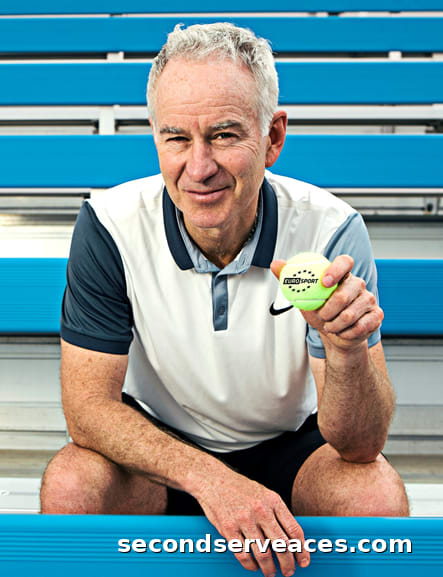
In the grand, sun-drenched theater of the French Open, where the red dust kicks up a storm of history, the conversation has drifted from the baseline to the boardroom. Sam Querrey, a man who knows the grind of the tour from the inside out, recently threw a wet blanket on the burgeoning talk of player-led strikes. His assessment? Without absolute solidarity from the top of the rankings to the bottom—the entire field, seeds 1 through 200—any talk of walking off court is merely whistling in the wind.
Listen to the Second Serve Podcast
Get our daily AI-synthesized audio briefings and match reviews on the go.
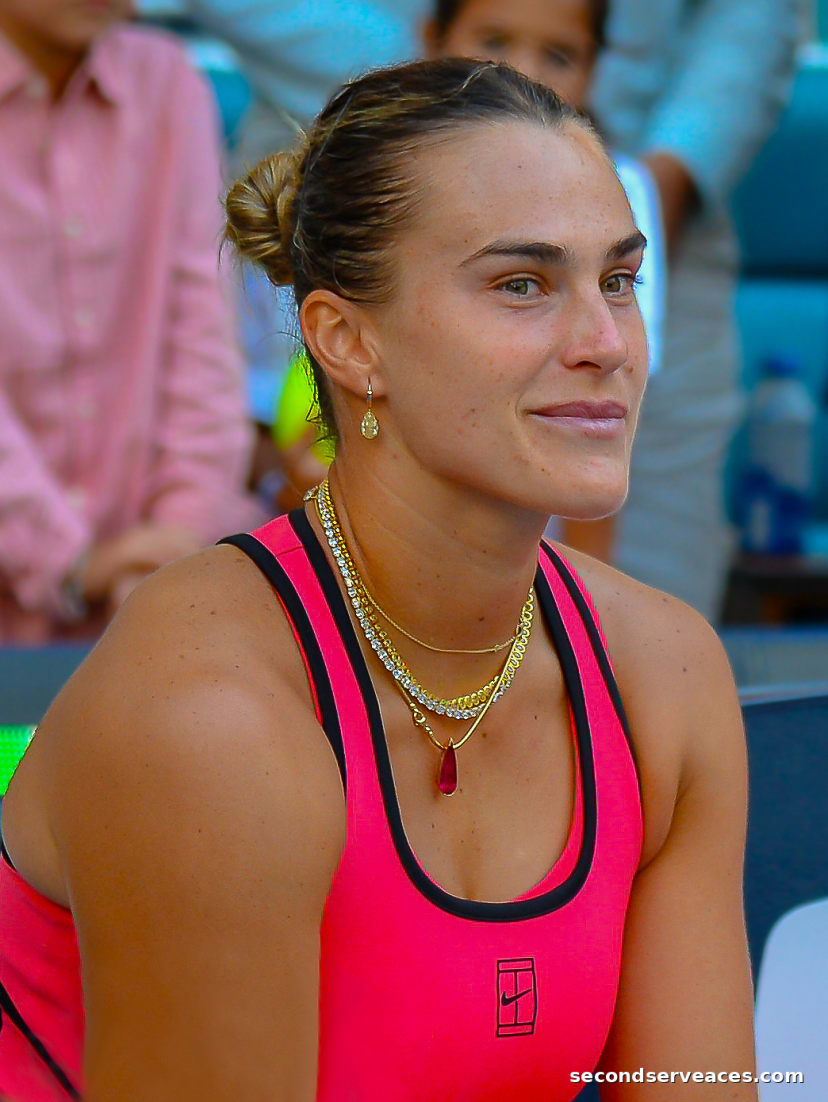
It is a stark reality check for stars like Aryna Sabalenka and Elena Rybakina, both of whom have voiced support for a potential boycott regarding revenue distribution. The numbers, however, present a formidable foe. Querrey asserts that the Grand Slams currently allocate a paltry 14.9% of their total revenue toward player compensation. For athletes who risk their livelihoods on the clay, those figures are a sour note in an otherwise harmonious symphony of sport.
To look back at the history of tennis politics is to see a pendulum constantly swinging between the interests of the establishment and the individual. We often romanticize the era of Andy Roddick or the early grit of Rafael Nadal, yet the structural inequity has remained a stubborn baseline fault. While the 2025 US Open recently pushed its purse to $90 million—a 20% jump—and the 2026 French Open followed suit with a 9.8% hike to €61.7 million, Querrey suggests these incremental gains are mere tokens compared to the true financial windfall the Slams enjoy.
The Myth of Unity in a Meritocratic Wilderness
The core of the struggle, according to Querrey, lies in the fundamental nature of tennis: it is a lonely, individualized pursuit. Getting 200 athletes, each with their own sponsorship obligations, ranking points to defend, and unique career clocks, to march in lockstep is a logistical Herculean task. In the world of team sports, unions possess the leverage of collective bargaining; here, the player is often an island, wary of the ATP or WTA infrastructure that holds the keys to their professional kingdom.
One must wonder, as the likes of Coco Gauff and the precocious Mirra Andreeva ascend the rankings, whether they view the prize money structure as an obstacle or a distant secondary concern. History tells us that labor movements in sport usually coalesce around a common grievance, yet the "14.9% problem" is a quiet crisis rather than a loud one. It is easier to fight for equity when the public is watching, but far harder when the boardroom doors are firmly shut.
Querrey’s perspective serves as a bracing tonic for the idealism of the locker room. The dream of a unified front is noble, but in the brutal calculus of a Grand Slam tournament, where every point represents a paycheck, the cost of protest is paid in blood, sweat, and ranking points. Until the incentives for the lower-ranked field match the high-stakes ambitions of the champions, the status quo is likely to remain firmly lodged at the baseline.
What Aryna Sabalenka Plays With
Wilson Blade 98 v9 (16x19)
Luxilon ALU Power 125
Wilson Pro Overgrip (12-Pack)
Analyze Aryna Sabalenka vs. Elena Rybakina
Predict tactical adjustments, momentum swings, and serve strategy options for this match-up using our AI simulator.
The Aces Tactical Panel
This report was curated and edited by Bhaskar Goel. Tactical analysis and technical insights were provided by our specialized panel of expert correspondents.
Julian Price
Senior Tactical Correspondent
Stuffy, pedantic British academic and historian specializing in match momentum and historical context.
Elena Cruz
Director of Analytical Research
Data scientist specializing in court surface physics and movement patterns.
Bhaskar
The Editor & Fan
Passionate tennis player and site editor bringing everyday amateur insights and relatable fan commentary.
Arthur Vance
Senior Existential Analyst
Deep, eccentric, and DFW-inspired. Models court metaphysics, kinetic beauty, and player psychology.
Leo Sterling
High-Performance Consultant
Hard-nosed ex-trainer from Melbourne with a no-nonsense view on tour fitness.