The Economic Geometry of the Court
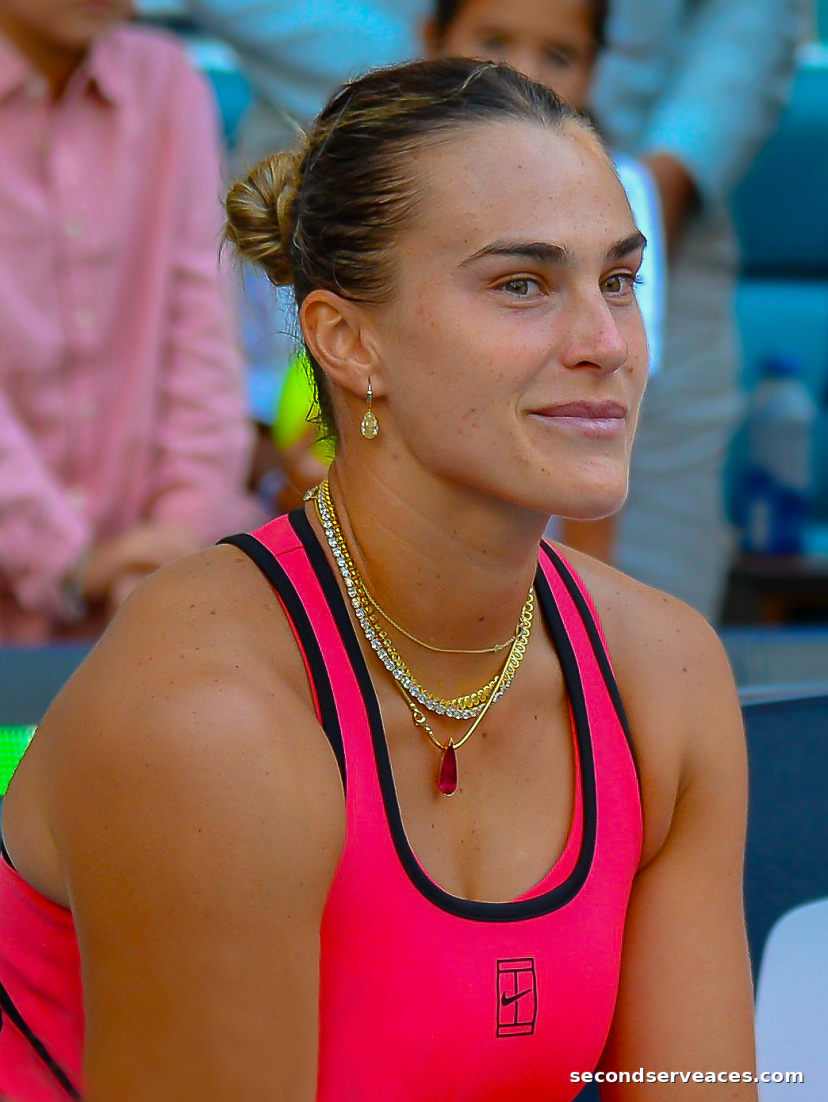
There exists a specific, quiet tension between the aesthetic beauty of a pristine clay court at the French Open and the blunt, numerical reality of the sport’s infrastructure. Aryna Sabalenka has recently vocalized a perspective that threatens to interrupt the seamless choreography of the tour: the possibility of a player-led boycott of a Grand Slam tournament. This is not merely a complaint; it is a fundamental challenge to the current financial physics of the game, rooted in the demand for a 22% share of total tournament revenue.
Listen to the Second Serve Podcast
Get our daily AI-synthesized audio briefings and match reviews on the go.
While the French Open has announced a 9.5% increase in its total prize money fund for this season, the delta between that incremental adjustment and the requested 22% share remains vast. The game is played within lines, but the business of the game is pushing against boundaries that have been static for decades. For players like Sabalenka, the redistribution of capital is as much a part of their professional rights as the mechanics of the serve or the weight of the ball on the red dust.
The philosophical friction here is unavoidable. The Grand Slams function as the sport’s cathedrals, yet they are also high-revenue corporate entities. When a star of Sabalenka’s caliber—as tracked by the WTA rankings—suggests that withholding labor might be the only lever left to pull, it signifies that the traditional channels of negotiation are perceived as effectively exhausted.
The Divergent Perspectives of the Top Tier
The reaction to such a drastic potentiality reveals the fractured nature of the consensus at the peak of the sport. Iga Swiatek, who often embodies the calculated, measured approach that her game demands, has signaled a preference for continued discourse, describing the notion of a boycott as "a bit extreme." Her stance suggests a belief that incremental progress, however agonizingly slow, remains preferable to the total rupture that a strike would necessitate.
Conversely, others find the logic of a collective stand more compelling. Elena Rybakina has stated that she would offer her support to a boycott, provided the majority of her peers were aligned in the endeavor. This conditional solidarity highlights a key tactical challenge: individual grievances rarely lead to systemic change, but a collective, synchronized refusal to play acts as a nuclear option that no governing body could comfortably ignore.
This dialogue is occurring against a backdrop of increasing scrutiny regarding how revenue is parsed between organizers and the athletes who act as the primary engines of the event. While Jessica Pegula and her contemporaries navigate the daily grind of the WTA Tour, the shadow of a potential strike looms as a reminder that the sport’s stability is built on a series of tacit agreements—agreements that, for many, no longer hold sufficient weight.
The Physics of Power and Leverage
In tennis, we are trained to look at the geometry of the shot: the angle of the racket face, the spin on the ball, the placement. But labor relations, much like a grueling baseline rally, require a different kind of stamina. The leverage currently possessed by the players is derived from their status as the sole purveyors of the "product" that millions watch. Without the player, the stadium is merely a beautiful, empty bowl.
The 9.5% prize money increase at Roland-Garros is a concession, certainly, but it is one that seems to underscore the very point Sabalenka is making: that the stakeholders are listening, but perhaps not hearing. If the divide between the top players and the administrative entities continues to widen, the conversation may well shift from revenue distribution to a fundamental rethink of how the tour is governed.
We are watching a slow-motion collision between the historic legacy of the Grand Slams and the modern, market-driven expectations of the athletes. Whether this culminates in a total stoppage or a renegotiated compact will depend on the degree of unity among the players. For now, the game continues, but the underlying tension is as palpable as the pressure on a string at the moment of impact.
What Aryna Sabalenka Plays With
Wilson Blade 98 v9 (16x19)
Luxilon ALU Power 125
Analyze Aryna Sabalenka vs. Iga Swiatek
Predict tactical adjustments, momentum swings, and serve strategy options for this match-up using our AI simulator.
The Aces Tactical Panel
This report was curated and edited by Bhaskar Goel. Tactical analysis and technical insights were provided by our specialized panel of expert correspondents.
Julian Price
Senior Tactical Correspondent
Stuffy, pedantic British academic and historian specializing in match momentum and historical context.
Elena Cruz
Director of Analytical Research
Data scientist specializing in court surface physics and movement patterns.
Bhaskar
The Editor & Fan
Passionate tennis player and site editor bringing everyday amateur insights and relatable fan commentary.
Arthur Vance
Senior Existential Analyst
Deep, eccentric, and DFW-inspired. Models court metaphysics, kinetic beauty, and player psychology.
Leo Sterling
High-Performance Consultant
Hard-nosed ex-trainer from Melbourne with a no-nonsense view on tour fitness.