A Technical Benchmark Set in Stone
In the quiet corners of coaching circles, there are certain truths that transcend generational debates. Rick Macci, a man who has witnessed the evolution of ball-striking for decades, recently distilled the modern game down to a single, defining asset: Novak Djokovic’s two-handed backhand. It isn't just a shot; it is a blueprint for efficiency, a mechanical marvel that remains the primary weapon in the Serb's arsenal as he prepares for the Italian Open.
Listen to the Second Serve Podcast
Get our daily AI-synthesized audio briefings and match reviews on the go.
For those of us who have spent years tracking the tour, Macci’s assessment rings with the clarity of a clean strike from the baseline. This is a backhand built on perfect kinetic sequencing, where the coil of the torso and the stable base allow for both defensive stability and aggressive redirection. It is the anchor that has held steady through the chaos of a sport that is constantly searching for a younger, faster heir apparent.
As the third seed for the event in Rome, the question isn't whether the mechanics hold up, but whether the match rhythm can return. The game demands a relentless pace, and Djokovic’s ability to rely on that fundamental stroke will be the bedrock upon which his entire tournament hinges, particularly after a disjointed schedule that saw him pull back from marquee events in Miami, Monte Carlo, and Madrid.
The Weight of the Recent Gap
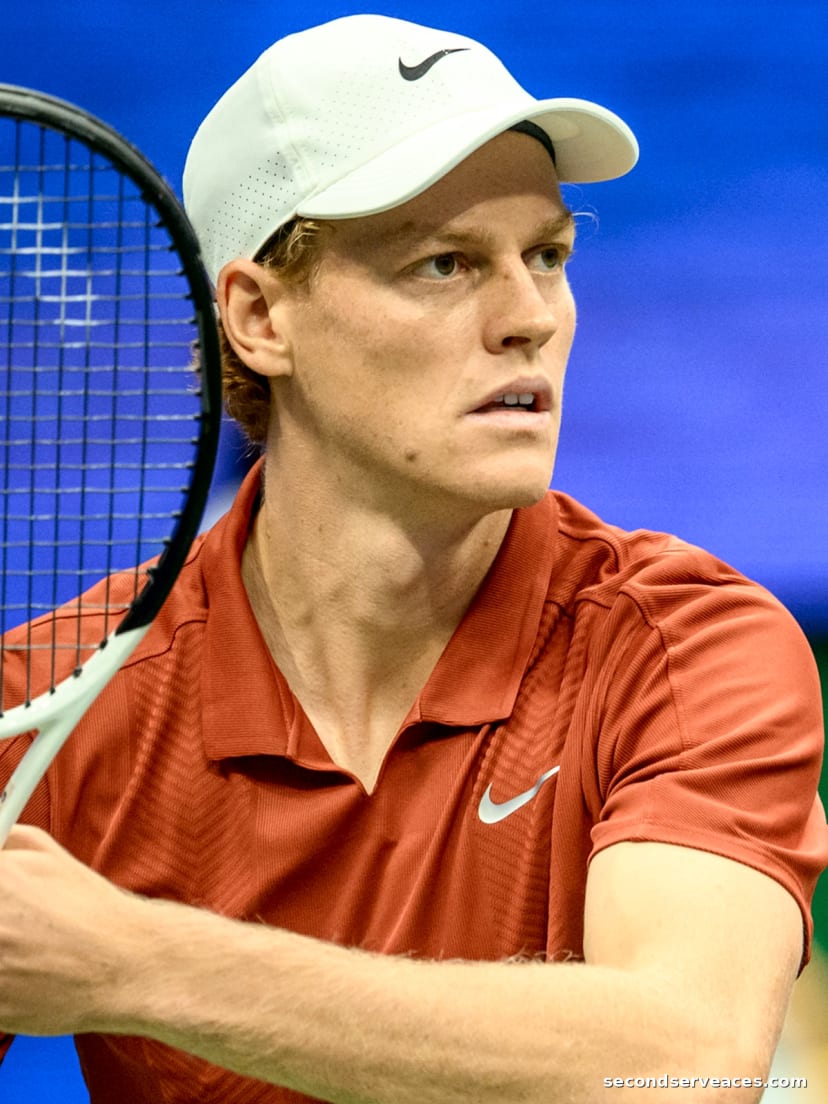
The road to Rome has been anything but conventional. The stinging fourth-round exit to Jack Draper at Indian Wells was an anomaly that forced a tactical reset. Watching from the sidelines while competitors like Jannik Sinner accelerated, adding four Masters 1000 titles to his rapidly expanding trophy case, the landscape has shifted underneath Djokovic’s feet.
Elite tennis is a game of friction and repetition. When you remove yourself from the tour, you aren't just losing match sharpness; you are losing the psychological edge that comes with the weekly grind of best-of-three-set battles. The mental toll of these absences is the invisible weight that every veteran carries, a constant balancing act between physical preservation and the necessity of competition.
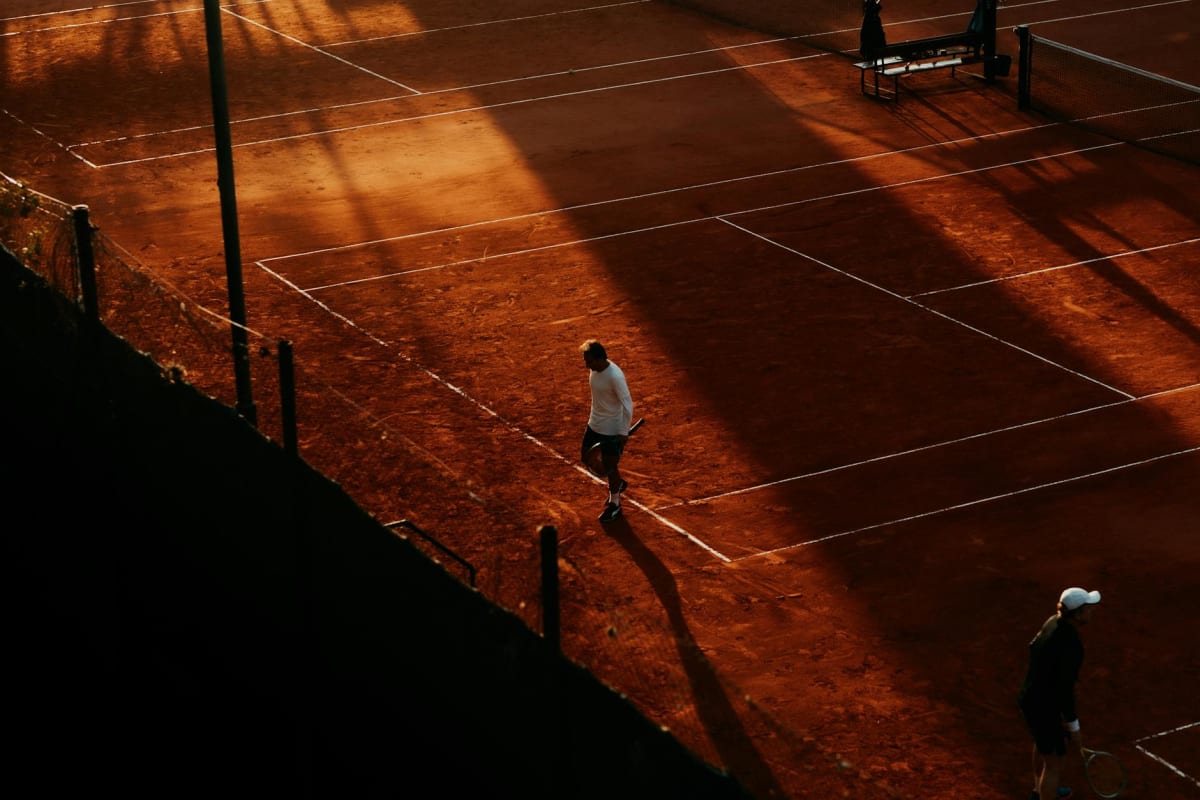
His return to the red clay of Rome serves as the ultimate test of preparation versus performance. The surface demands a different kind of movement, a sliding grace that complements the heavy spin and deep contact point required to dismantle the modern field. It is here where the experience of a champion often compensates for the lack of recent mileage, provided the muscle memory of that legendary backhand remains intact.
Aligning the Competitive Compass
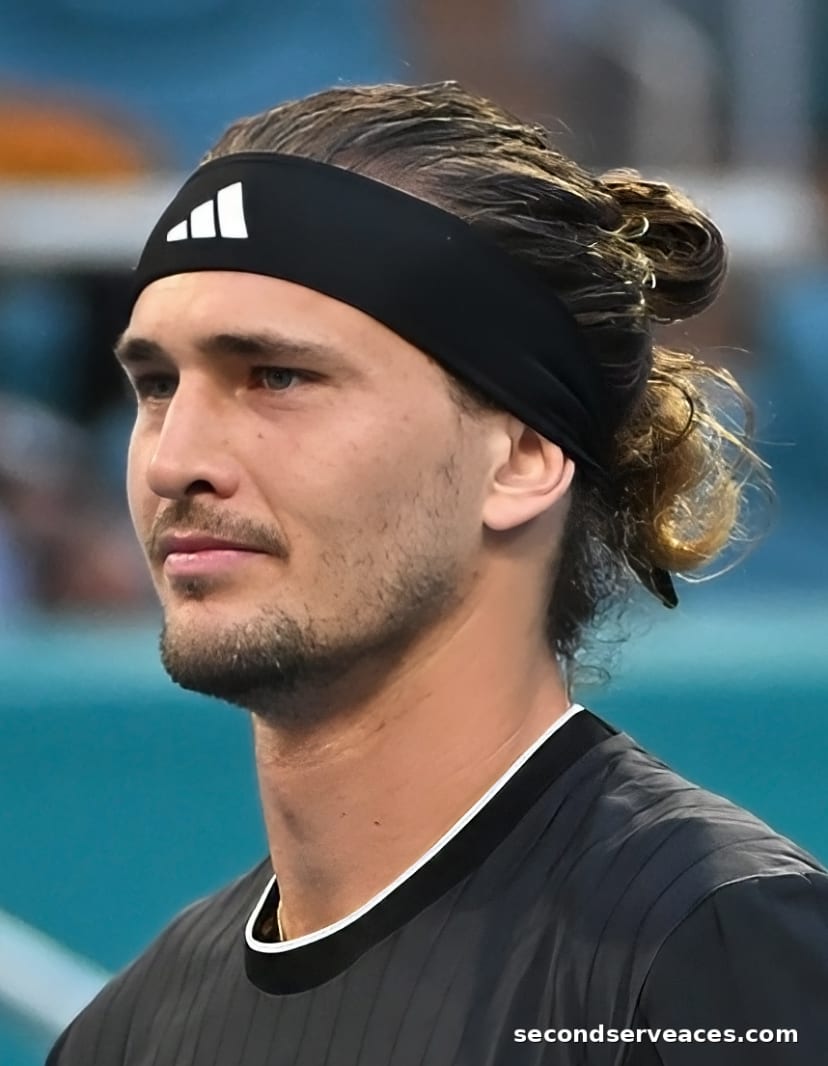
The field in Rome is hungry. Names like Alexander Zverev, Lorenzo Musetti, and the rising contingent including Vit Kopriva are no longer content with being participants; they are actively seeking to disrupt the established hierarchy. Djokovic enters this environment knowing the target on his back is larger than ever, yet he carries the calm of a man who knows his technical foundation remains superior.
The contrast between the established legends and the new wave is a narrative we've seen before, yet it never loses its intensity. Whether it's the clinical precision of a Sinner or the raw athleticism of the upcoming generation, the challenge for the veteran is to maintain the composure required to dictate points on his own terms. It is a mental chess match played at 100 miles per hour.
Ultimately, Rome is about re-establishing the standard. For a player who has redefined what is possible in the sport, the tournament isn't just about the title—it’s about the conviction that his process remains the one others must follow. As he walks onto the clay, the focus will be singular: trust the motion, find the target, and reassert the dominance that has defined his career for nearly two decades.
What Novak Djokovic Plays With
Head Speed Pro
Luxilon ALU Power 125
Head Prime Tour (12-Pack)
Asics Court FF 3 Novak
Analyze Novak Djokovic vs. Serena Williams
Predict tactical adjustments, momentum swings, and serve strategy options for this match-up using our AI simulator.
The Aces Tactical Panel
This report was curated and edited by Bhaskar Goel. Tactical analysis and technical insights were provided by our specialized panel of expert correspondents.
Julian Price
Senior Tactical Correspondent
Stuffy, pedantic British academic and historian specializing in match momentum and historical context.
Elena Cruz
Director of Analytical Research
Data scientist specializing in court surface physics and movement patterns.
Bhaskar
The Editor & Fan
Passionate tennis player and site editor bringing everyday amateur insights and relatable fan commentary.
Arthur Vance
Senior Existential Analyst
Deep, eccentric, and DFW-inspired. Models court metaphysics, kinetic beauty, and player psychology.
Leo Sterling
High-Performance Consultant
Hard-nosed ex-trainer from Melbourne with a no-nonsense view on tour fitness.