Raducanu Annihilated: Anisimova's 6-1, 6-1 Rout at Indian Wells
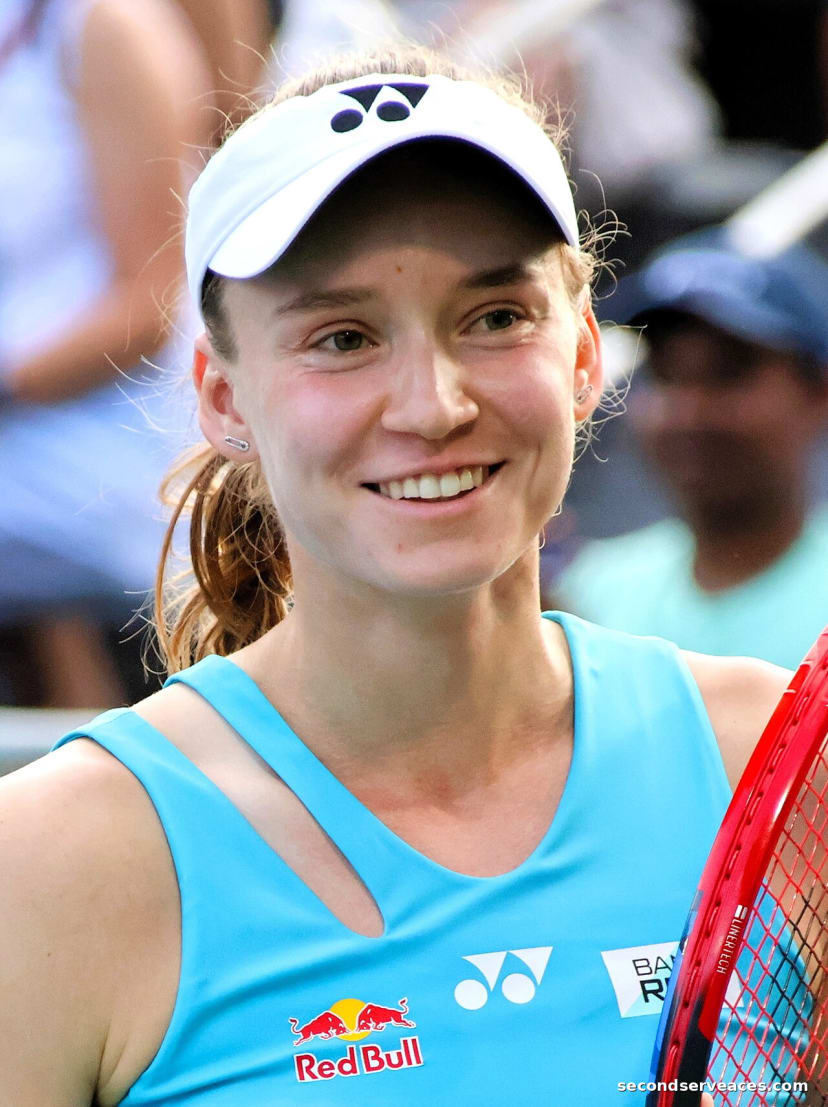
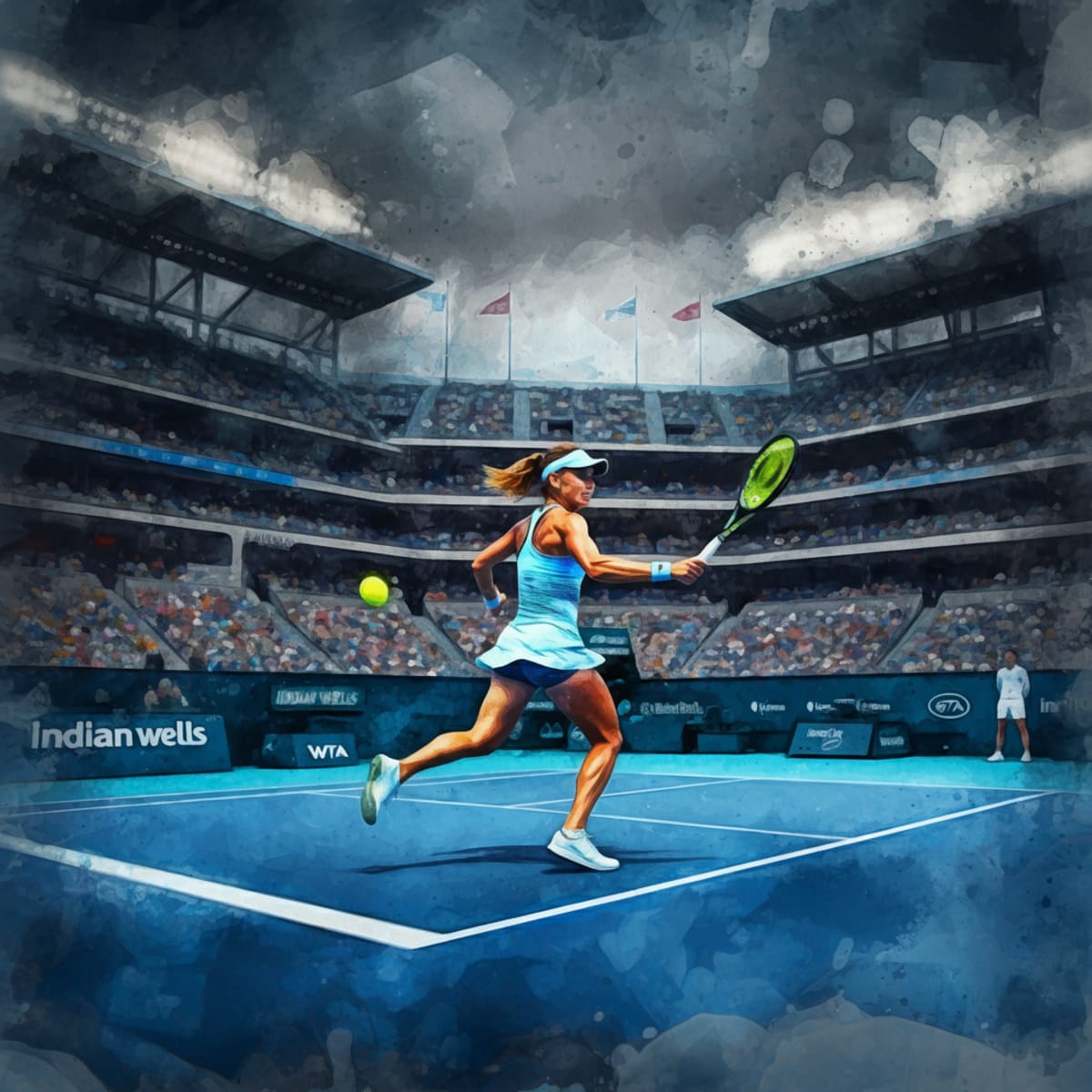
The desert sun beat down on what was expected to be a compelling third-round matchup at Indian Wells, but instead, tennis fans witnessed a startlingly one-sided affair. Amanda Anisimova dismantled Emma Raducanu in a mere 52 minutes, handing the 25th-seeded Raducanu a brutal 6-1, 6-1 defeat. The score itself screams of an imbalance, a tactical mismatch that left Raducanu searching for answers that simply weren't there on the day. This wasn't just a loss; it was a statement.
Listen to the Second Serve Podcast
Get our daily AI-synthesized audio briefings and match reviews on the go.
The statistics, stark as they are, only underscore the narrative. According to available data, Anisimova unleashed 21 winners, while Raducanu could only muster 2. That’s not tennis; that’s target practice. The defeat leaves a lingering question: What went wrong, and what does it mean for both players moving forward?
The Tactical Breakdown
Anisimova's game, when firing on all cylinders, is built around aggressive baseline play and punishing groundstrokes. She dictates play with early strikes, looking to take the ball early and redirect it with pace and angle. Historically, players who can effectively flatten out their shots and attack the lines have found success against opponents who rely on retrieving and constructing points. Anisimova likely exploited this advantage, consistently putting Raducanu on the defensive from the very first ball.
Consider the court geometry at play. Anisimova's serve placement patterns likely focused on opening up angles for her forehand, allowing her to dictate the rally cross-court. Raducanu, struggling to find her range and rhythm, probably lacked the rally tolerance needed to absorb the pressure and turn the tables. A mere 2 winners suggests a lack of offensive firepower, and an inability to convert defensive opportunities into attacking ones.
Key tactical elements at play:
- Aggressive Baseline Play: Anisimova's constant pressure from the baseline.
- Serve Placement: Tactical serving to open up the court.
- Rally Tolerance: Raducanu's inability to extend rallies and absorb pressure.
- Winner Production: The stark contrast in winners highlights Anisimova's offensive dominance.
The Bigger Picture
For Raducanu, this loss represents another setback in what has been a turbulent period since her improbable US Open triumph. While flashes of brilliance have been evident, consistency has remained elusive. This Indian Wells defeat raises concerns about her ability to adapt her game plan and respond to aggressive opponents. The surface—a relatively slow hard court—should theoretically suit her game, making the lopsided scoreline all the more perplexing.
For Anisimova, this victory could serve as a significant confidence booster. After battling injuries and personal challenges, a dominant win against a high-profile opponent like Raducanu could be the catalyst she needs to regain her footing on the WTA tour. Success at Indian Wells often translates to strong performances throughout the spring hard-court season. This result will move her closer to potentially playing seeded in the upcoming Grand Slams.
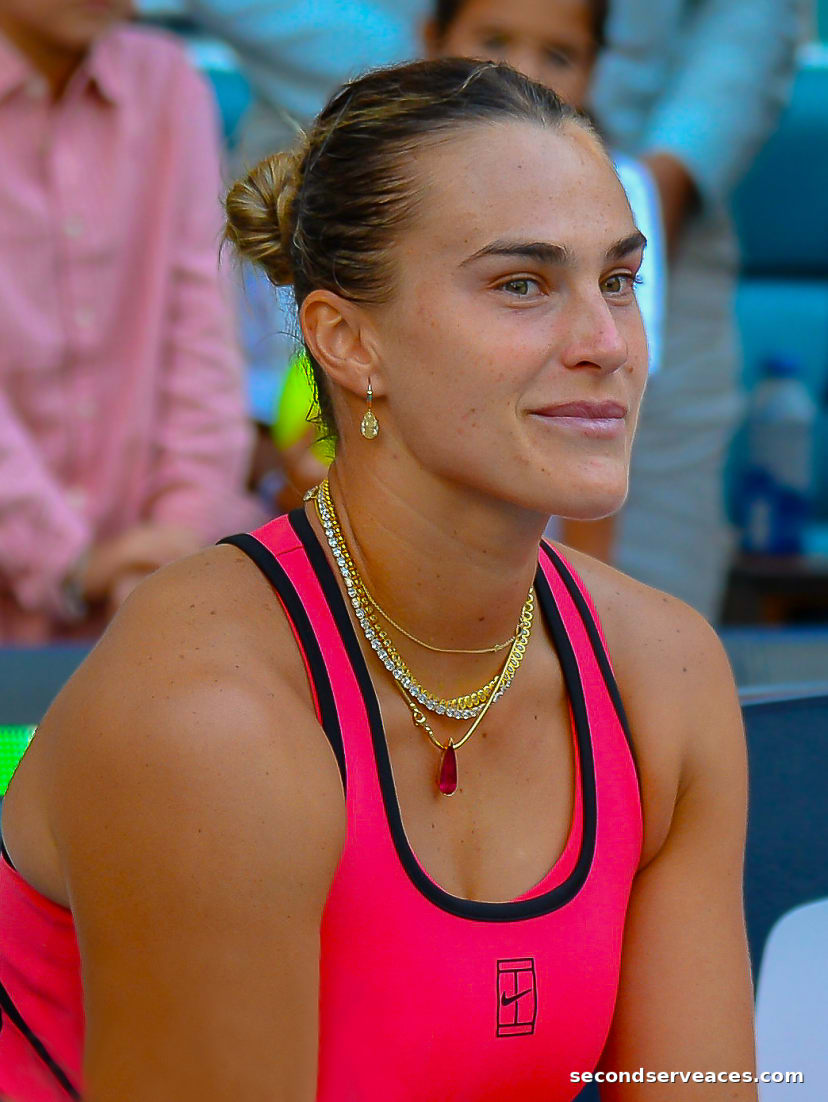
Aryna Sabalenka, another player known for her aggressive style, is also competing at Indian Wells and is set to play Naomi Osaka. Both possess similar power and attacking styles to Anisimova, and their matches will be closely watched in light of this recent result.
What Aryna Sabalenka Plays With
Wilson Blade 98 v9 (16x19)
Luxilon ALU Power 125
Analyze Emma Raducanu vs. Amanda Anisimova
Predict tactical adjustments, momentum swings, and serve strategy options for this match-up using our AI simulator.
The Aces Tactical Panel
This report was curated and edited by Bhaskar Goel. Tactical analysis and technical insights were provided by our specialized panel of expert correspondents.
Julian Price
Senior Tactical Correspondent
Stuffy, pedantic British academic and historian specializing in match momentum and historical context.
Elena Cruz
Director of Analytical Research
Data scientist specializing in court surface physics and movement patterns.
Bhaskar
The Editor & Fan
Passionate tennis player and site editor bringing everyday amateur insights and relatable fan commentary.
Arthur Vance
Senior Existential Analyst
Deep, eccentric, and DFW-inspired. Models court metaphysics, kinetic beauty, and player psychology.
Leo Sterling
High-Performance Consultant
Hard-nosed ex-trainer from Melbourne with a no-nonsense view on tour fitness.