The 38-Year-Old’s Search for Baseline Authority
Novak Djokovic steps onto the grounds of the Internazionali BNL d'Italia carrying the mileage of a career that defies conventional physics. At 38, he isn't here to go through the motions. His presence in Rome marks his first foray onto European dirt this season, a vital staging area before his pursuit of a 25th Grand Slam trophy at Roland-Garros.
Listen to the Second Serve Podcast
Get our daily AI-synthesized audio briefings and match reviews on the go.
The transition from hard courts to the sliding surface of the Foro Italico is never just about physical adjustment; it is about finding the specific rhythm that allows him to grind down the next generation. After limited appearances at the Australian Open and Indian Wells, the Serbian icon is looking for match minutes, not just trophies. The grind is mental, and the mental grind requires high-stakes repetitions against players who have nothing to lose.
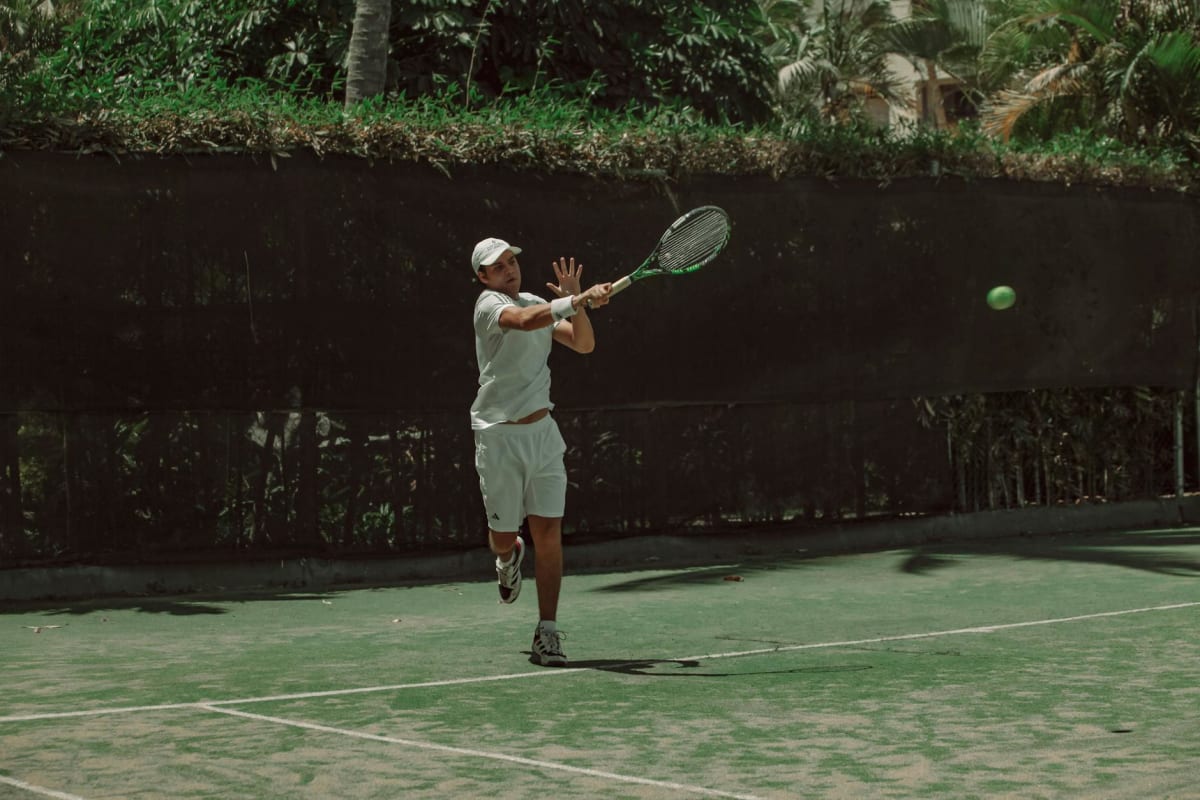
To sharpen his tools, Djokovic has been hitting with Tomas Etcheverry. It is a calculated move to simulate the heavy topspin and stubborn court coverage he will inevitably encounter in the later rounds. He is looking for a cadence—the subtle difference between a neutral rally ball and one that forces a short reply.
The Sinner Conundrum and the Evolution of the Rivalry
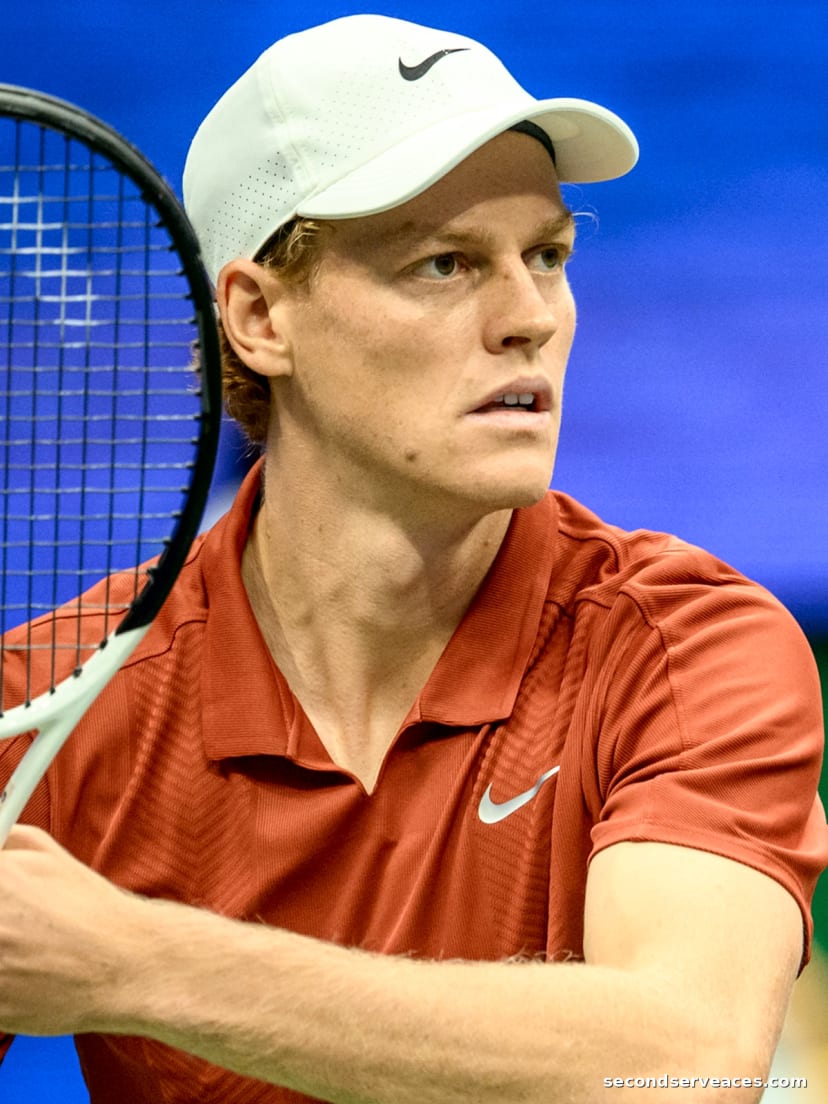
The landscape of the tour has shifted, and the head-to-head ledger with Jannik Sinner tells the story of a changing guard. They are currently locked in a 1-1 deadlock for the 2026 season. The ghosts of the 2024 Monte Carlo Masters still linger, where Sinner dismantled the script with a 6-1, 6-7 (6), 6-2 victory, proving that he possesses the baseline firepower to survive even when Djokovic finds his second-set spark.
This rivalry isn't just about raw power; it is about the geometry of the court. Sinner’s ability to take the ball early and redirect pace leaves very little margin for error. Djokovic knows that on this surface, he must force these young guns into deeper, more uncomfortable positions. He is playing against the inevitable passage of time, using every rally to measure whether his serve placement can still buy him the 'free' points he needs to stay fresh.
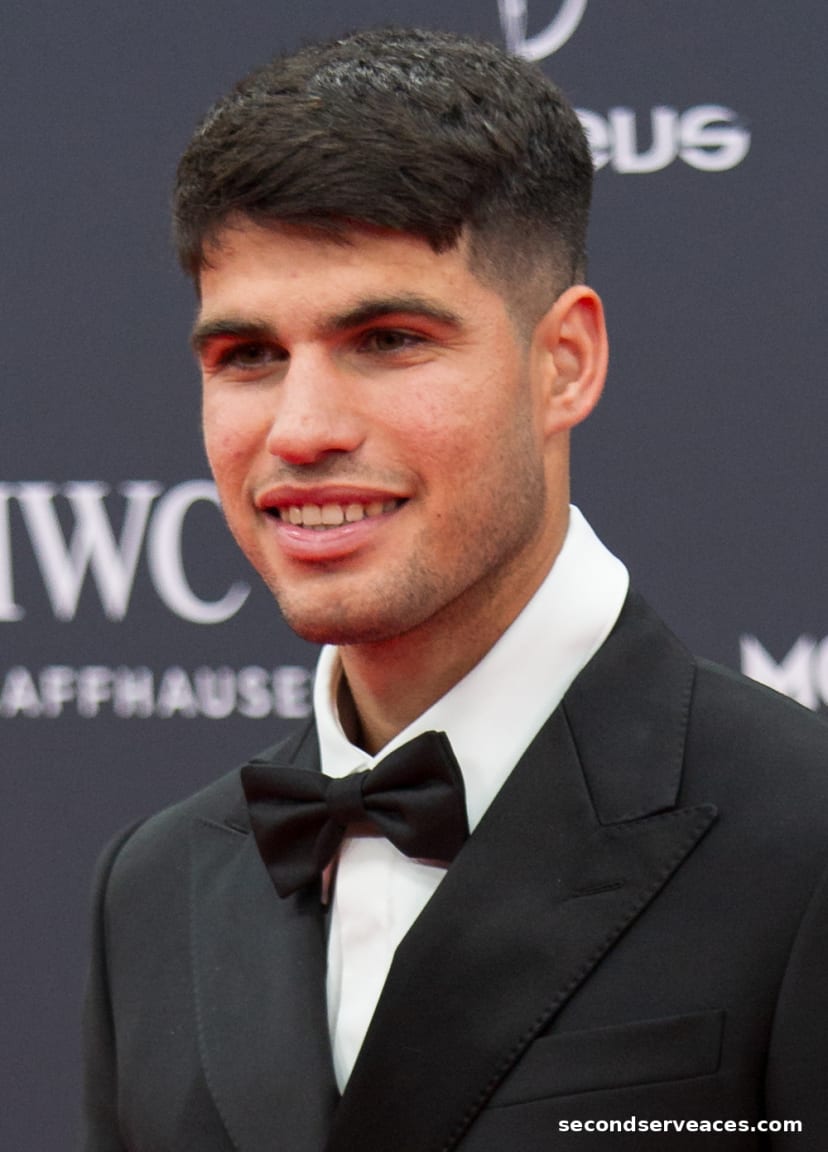
The absence of Carlos Alcaraz, sidelined by a wrist injury, undeniably alters the draw. But in the world of the elite, there is no such thing as an easier path. Whether it's the defensive fortitude of Casper Ruud or the blistering pace of Jack Draper, Djokovic understands that the pressure to perform at 38 is a different kind of burden than the one he carried a decade ago.
Tactical Adjustments Under the Rome Sun
When you watch him train, the focus isn't on highlight reels. It’s on the boring, repetitive excellence of the cross-court backhand. Djokovic is testing the durability of his own patterns against the specific humidity and bounce of the Rome clay. The surface rewards those who can maintain their center of gravity through the stretch, and he is prioritizing his recovery between sessions to ensure he doesn't hit a wall before the final weekend.
His support team knows that he doesn't need to reinvent the wheel, but he does need to refine the engine. The intensity of his practice sessions remains higher than most players on tour. There is a palpable urgency to every drill, a desire to squeeze every drop of efficiency out of his movement. He isn't looking for validation; he is looking for a system that holds up against the relentless pressure of a three-set grind.
The Italian Open serves as the ultimate diagnostic test. It is where he discovers which tactical nuances are sticking and which ones need to be discarded. If the serve holds, the return pressure will follow. If the return pressure forces break points, the opponent’s composure eventually fractures. It is a simple equation that Djokovic has spent his life mastering, and he is applying that same mathematical precision to his 2026 comeback.
The Bigger Picture: Legacy in Motion
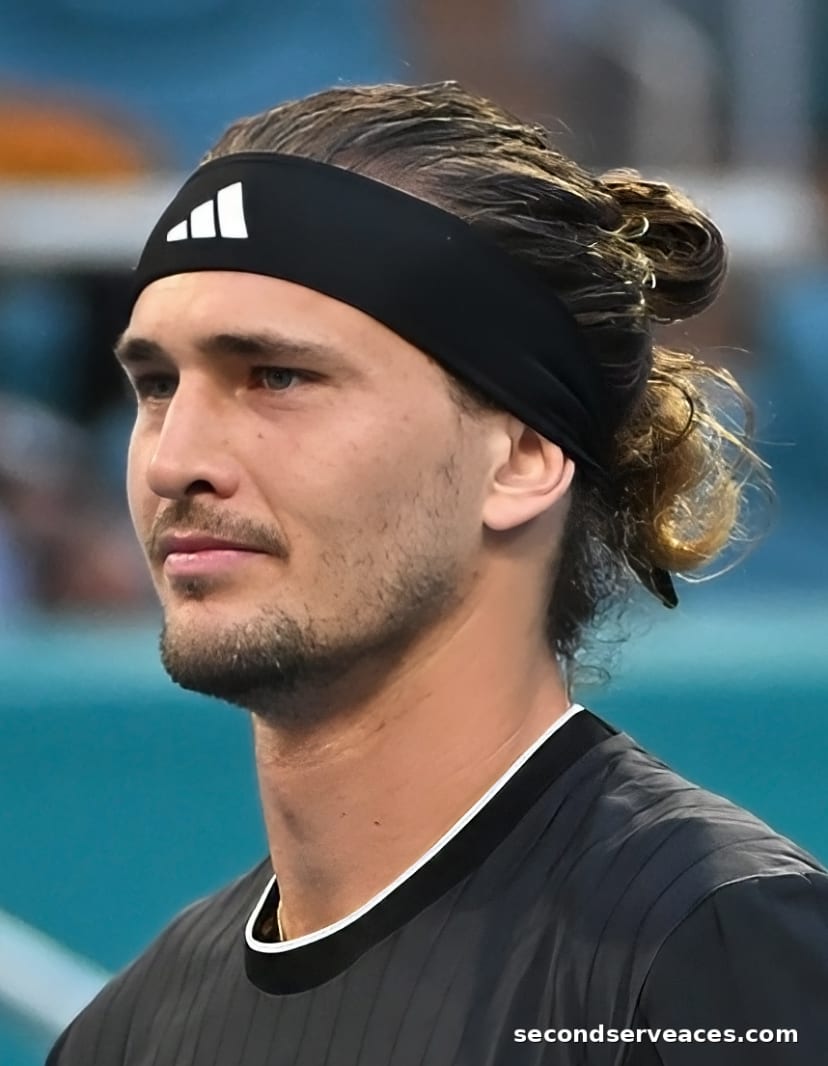
The conversation around Djokovic always drifts toward the record books, but his focus remains strictly on the tactical minutiae. Whether he is analyzing the serve patterns of Alexander Zverev or watching film of his own unforced errors, he treats the sport as a puzzle that needs constant re-solving. He understands that the game moves forward, and if you aren't sprinting to catch up, you are already behind.
With names like Tracy Austin and Patrick Mouratoglou often weighing in on the evolution of tennis, Djokovic stays anchored to his own internal metrics. He is driven by the internal standard of excellence that allowed him to eclipse peers like Rafa Nadal and reach 24 Grand Slams. The journey to the 25th is the only metric that matters.
As the Italian Open kicks off, the eyes of the tennis world are fixed on his movement. The surface is red, the stakes are high, and the veteran is ready to prove that the baseline still belongs to him. It isn't just about the next match; it’s about the next point, the next set, and the quiet, brutal confidence of someone who has seen it all and still wants more.
What Novak Djokovic Plays With
Head Speed Pro
Luxilon ALU Power 125
Head Prime Tour (12-Pack)
Asics Court FF 3 Novak
Analyze Novak Djokovic vs. Tracy Austin
Predict tactical adjustments, momentum swings, and serve strategy options for this match-up using our AI simulator.
The Aces Tactical Panel
This report was curated and edited by Bhaskar Goel. Tactical analysis and technical insights were provided by our specialized panel of expert correspondents.
Julian Price
Senior Tactical Correspondent
Stuffy, pedantic British academic and historian specializing in match momentum and historical context.
Elena Cruz
Director of Analytical Research
Data scientist specializing in court surface physics and movement patterns.
Bhaskar
The Editor & Fan
Passionate tennis player and site editor bringing everyday amateur insights and relatable fan commentary.
Arthur Vance
Senior Existential Analyst
Deep, eccentric, and DFW-inspired. Models court metaphysics, kinetic beauty, and player psychology.
Leo Sterling
High-Performance Consultant
Hard-nosed ex-trainer from Melbourne with a no-nonsense view on tour fitness.